
- September 9, 2025
- Posted by: feinuojixie
- Category: Chain Guides News

In the fast-paced world of food processing, safety and reliability are more than just priorities—they are non-negotiable requirements. Every component within the production line must perform with precision to protect both product integrity and consumer trust. Among these essential components, the chain guide wear strip plays a crucial yet often overlooked role. By reducing friction, supporting conveyor chains, and enhancing durability, it helps ensure that food processing lines remain safe, efficient, and compliant with industry standards.

The Role of a Chain Guide Wear Strip in Food Processing Equipment
A chain guide wear strip provides stability and alignment to conveyor chains that transport products along the processing line. Without proper guidance, chains may shift or wear unevenly, leading to sudden breakdowns and contamination risks. The strip reduces direct metal-to-metal contact, lowers friction, and ensures smoother chain movement. In food processing facilities where continuous operation is critical, this support helps maintain steady production flow while preventing costly disruptions.
Safety Benefits of Using a Chain Guide Wear Strip
Food safety regulations demand strict control of equipment surfaces that come into contact with production. A chain guide wear strip is often made of materials that are non-toxic and resistant to bacterial growth, reducing the risk of product contamination. By minimizing chain vibration and misalignment, it prevents particles or debris from falling into the food stream. This feature not only protects consumer health but also helps facilities comply with global food safety standards such as FDA and HACCP.
Reliability and Performance Advantages of a Chain Guide Wear Strip
Reliability in food processing lines depends heavily on how efficiently each component performs. A chain guide wear strip enhances reliability by reducing downtime caused by chain wear and misalignment. It distributes pressure evenly, protecting both the chain and the conveyor structure from excessive stress. The result is consistent operation with fewer interruptions, which allows companies to deliver products on time and maintain trust with their clients.
Material Selection for a Chain Guide Wear Strip in Food Environments
Not all materials are suitable for food production environments. A chain guide wear strip must be made from high-performance plastics such as UHMW-PE or other FDA-approved materials. These plastics are not only durable and resistant to impact but also withstand moisture, cleaning chemicals, and varying temperatures. By choosing the right material, manufacturers ensure the strip remains reliable while adhering to hygiene and safety requirements.
Maintenance and Hygiene Practices for a Chain Guide Wear Strip
Proper care of a chain guide wear strip is essential to maintaining a safe and efficient line. Regular inspections should be carried out to detect early signs of wear or buildup of residue. Cleaning protocols must follow industry standards to ensure that no bacteria or contaminants remain on the strip. Scheduled replacement at the right intervals prevents unexpected equipment failures, ensuring continuous safe operation in food facilities.
Cost Efficiency of a Chain Guide Wear Strip in Food Processing
Beyond safety and performance, a chain guide wear strip contributes significantly to cost efficiency. By reducing friction and chain wear, it decreases the need for frequent part replacement and lowers maintenance costs. The strip also prevents sudden breakdowns that could cause production delays, protecting companies from financial loss. Over time, the investment in a high-quality chain guide wear strip translates into substantial savings and improved operational efficiency.
Choosing the Right Chain Guide Wear Strip for Food Processing
Selecting the correct strip requires careful consideration of the production environment. Factors such as conveyor speed, product type, cleaning frequency, and regulatory compliance all play a role. Working with a trusted supplier ensures that the chain guide wear strip matches the specific needs of the facility. The right choice helps businesses balance safety, performance, and cost efficiency, giving them a competitive edge in the food processing industry.
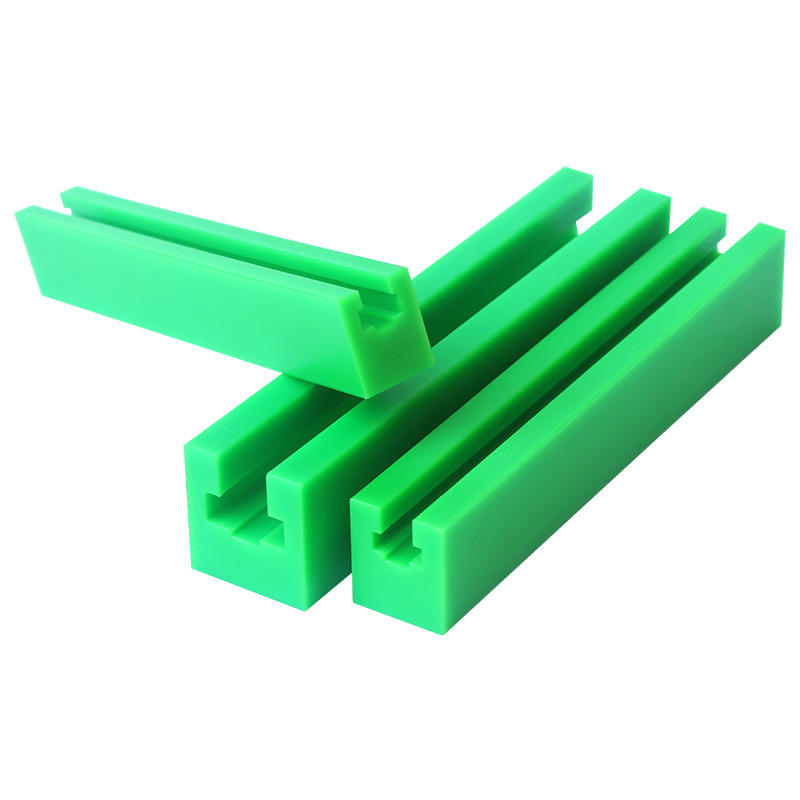
Building Safety and Reliability with the Right Chain Guide Wear Strip
In food processing, where consumer trust and safety are paramount, every detail matters. A chain guide wear strip may seem like a small component, but it plays a vital role in ensuring smooth operation, reducing contamination risks, and enhancing equipment lifespan. By choosing the right material, following proper maintenance practices, and aligning with industry standards, companies can rely on this component to deliver safety and reliability day after day. Investing in a high-quality chain guide wear strip is not just a technical choice—it is a commitment to protecting both products and people.