
- October 16, 2025
- Posted by: feinuojixie
- Category: Chain Guides News
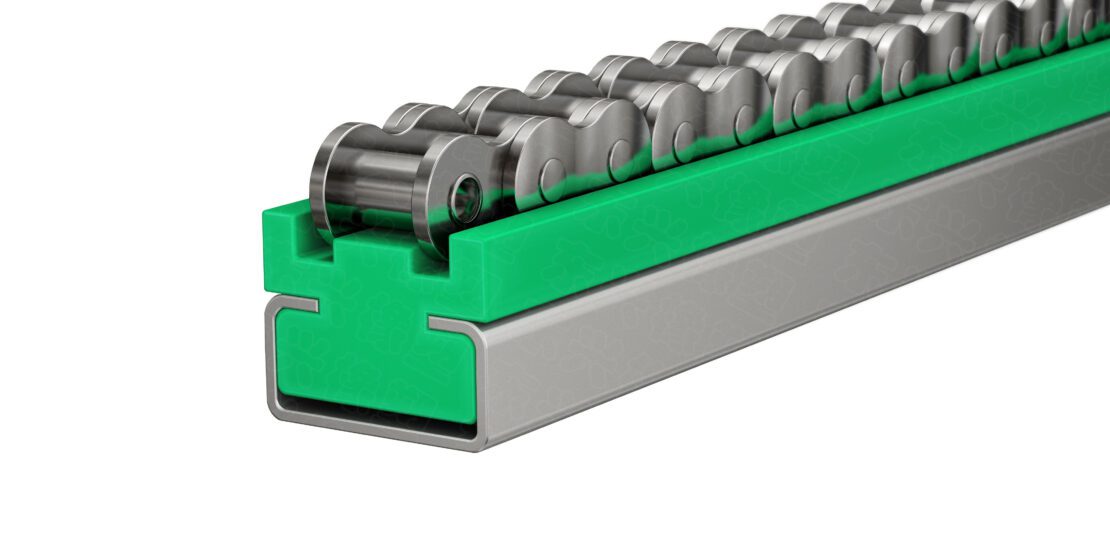
In conveyor systems, every moving component plays a crucial role in overall performance—and the chain guide wear strip is no exception. Acting as the primary surface that supports and guides the chain, this strip helps minimize friction and prevents metal-to-metal contact. When properly maintained, it not only extends the lifespan of the conveyor but also ensures consistent speed, smoother operation, and quieter performance. Neglecting maintenance, on the other hand, can quickly lead to costly breakdowns, unexpected downtime, and premature part replacement.
Proper chain guide wear strip maintenance is therefore essential for both operational reliability and cost efficiency. With a few smart maintenance hacks, you can significantly extend its service life and keep your entire production line running smoothly.

Understanding the Function of a Chain Guide Wear Strip
A chain guide wear strip serves as the vital interface between the moving chain and the conveyor frame. Its main purpose is to reduce friction, guide the chain’s movement, and protect both the chain and the supporting structure from wear. By ensuring smooth motion, the strip minimizes vibration and noise, creating a more stable and energy-efficient system.
Most chain guide wear strip options are made from durable, low-friction materials such as UHMW (Ultra-High-Molecular-Weight) polyethylene, nylon, or acetal. These materials can withstand high loads and repetitive motion without deforming or overheating. When maintained correctly, a high-quality strip can dramatically increase the operational life of your conveyor and help maintain consistent product flow.
Common Signs Your Chain Guide Wear Strip Needs Attention
Over time, even the best chain guide wear strip will show signs of wear. Recognizing these early can save your system from more severe issues. Some of the most common warning signs include:
-
Visible grooves or scoring: This indicates friction is no longer evenly distributed.
-
Chain misalignment: If the chain is no longer tracking smoothly, the strip may be worn unevenly.
-
Increased vibration or noise: Excessive rattling often signals that the strip has lost its smooth surface.
-
Discoloration or deformation: These signs often result from heat buildup or chemical exposure.
Addressing these signs early helps prevent further chain or frame damage and keeps maintenance costs under control.
Routine Inspection Tips for Chain Guide Wear Strip Longevity
Consistent inspection is key to keeping your chain guide wear strip in top shape. Create a regular inspection checklist that focuses on high-stress areas and chain alignment points. During inspection, check for cracks, uneven wear, or buildup of debris between the chain and strip.
It’s recommended to inspect the strip at least once per month in moderate-use systems and weekly in high-speed or heavy-load applications. Also, make sure to verify chain tension and ensure there’s no excessive side pressure on the strip. Documenting each inspection allows you to track gradual wear and predict replacement needs more accurately.
Cleaning Hacks to Preserve Your Chain Guide Wear Strip
Dirt, dust, and oil buildup are common enemies of any conveyor system. Regular cleaning not only enhances performance but also extends the strip’s life. For most chain guide wear strip materials, use a mild industrial detergent or a diluted solvent that doesn’t degrade plastic. Avoid strong acids or alkalis, as they can cause surface pitting or chemical weakening.
When cleaning, use a soft nylon brush or lint-free cloth to gently remove residues. Never scrape the surface with metal tools or high-pressure water jets, as these can cause microscopic damage that accelerates wear. Keeping the strip clean ensures consistent chain movement and reduces friction-related stress.
Lubrication Strategies for Smoother Chain Guide Wear Strip Operation
Proper lubrication can significantly improve the performance of a chain guide wear strip. While UHMW materials often operate effectively without added lubrication, certain conditions—such as high-speed or high-temperature environments—benefit from light application of compatible lubricants.
Use non-reactive, food-grade lubricants if the system operates in food or pharmaceutical production. Apply lubrication sparingly to avoid residue buildup that attracts dust. Consistent, moderate lubrication reduces wear, prevents overheating, and helps the strip maintain a low-friction surface for longer.
Replacement Timing: When to Change Your Chain Guide Wear Strip
Even with excellent maintenance, replacement will eventually be necessary. The right time to replace your chain guide wear strip depends on both visual condition and performance indicators. If you notice excessive chain vibration, erratic movement, or misalignment that cannot be corrected through tension adjustment, the strip may have reached its wear limit.
A good rule of thumb is to replace the strip once its thickness has decreased by 30% from the original size or when the chain begins to ride unevenly on its surface. Replacing the strip on time prevents chain wear, mechanical strain, and potential conveyor damage.
Material-Specific Care Tips: UHMW, Nylon, and Acetal Chain Guide Wear Strip
Each type of chain guide wear strip material requires a slightly different care approach:
-
UHMW: Resistant to most chemicals and low in friction, it requires minimal maintenance. Keep it clean and dry to prevent debris embedding.
-
Nylon: More sensitive to moisture and temperature changes. Regular inspection for swelling or brittleness is necessary.
-
Acetal: Excellent dimensional stability but can become brittle under extreme heat. Avoid using harsh solvents during cleaning.
By understanding your strip’s material properties, you can tailor maintenance methods for maximum performance and longevity.
Preventive Maintenance Schedule for Maximum Efficiency
Creating a structured maintenance schedule ensures your chain guide wear strip performs consistently. A good plan may include:
-
Daily: Check for debris or obstructions along the chain path.
-
Weekly: Inspect for noise or vibration and verify alignment.
-
Monthly: Perform detailed inspection and cleaning; check chain tension.
-
Quarterly: Assess wear level and lubrication effectiveness; replace parts if needed.
Following a preventive schedule not only minimizes unexpected downtime but also optimizes your conveyor’s overall output and efficiency.
Pro Tips from Industry Experts on Chain Guide Wear Strip Maintenance
Experienced technicians often share valuable insights that go beyond the basics. Some proven hacks include:
-
Use wear indicators: These help you track strip degradation at a glance.
-
Monitor chain tension regularly: A well-tensioned chain prevents uneven strip wear.
-
Document every service: Maintenance logs help identify recurring issues and optimize service intervals.
-
Avoid mixing materials: When replacing parts, ensure compatibility between chain and strip materials.
These expert tips can make your maintenance routine more efficient and predictable.

Protecting Your Investment with Smart Maintenance
Maintaining your chain guide wear strip may seem like a small task, but its impact on conveyor performance is significant. Through routine inspections, proper cleaning, careful lubrication, and timely replacement, you can ensure your conveyor runs smoothly and efficiently for years.
By applying these simple yet powerful maintenance hacks, you protect your investment, reduce downtime, and keep your production process operating at its best. In the long run, consistent care of your chain guide wear strip is not just maintenance—it’s smart asset management.