
- September 9, 2025
- Posted by: feinuojixie
- Category: Chain Guides News
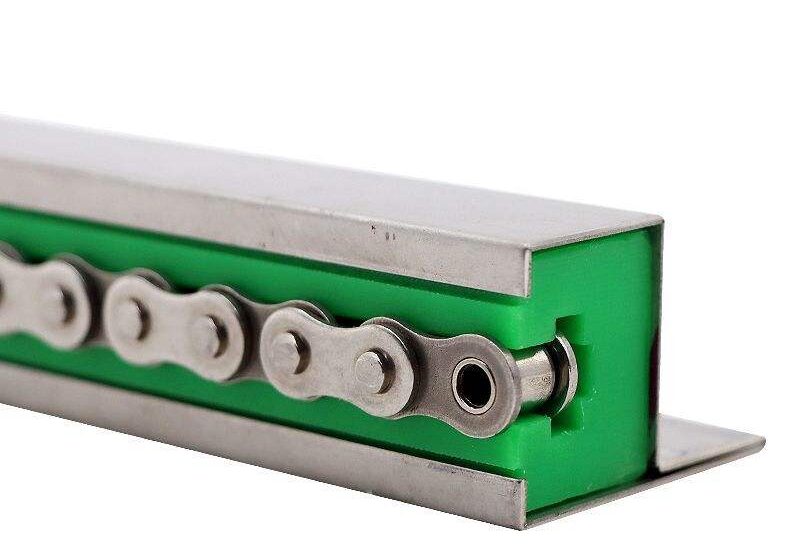
In modern manufacturing and processing plants, conveyor systems are the backbone of productivity. They keep products moving, ensure efficiency, and minimize downtime. At the heart of these systems lies a critical but often overlooked component: the guide. The guide ensures that the conveyor chain runs smoothly, avoids misalignment, and prevents premature wear. For decades, traditional guide solutions were the standard choice. However, with the introduction of the chain guide wear strip, industries now have a more advanced and efficient option to consider. This article explores the differences between the chain guide wear strip and traditional guide, helping you decide which solution best suits your conveyor system.
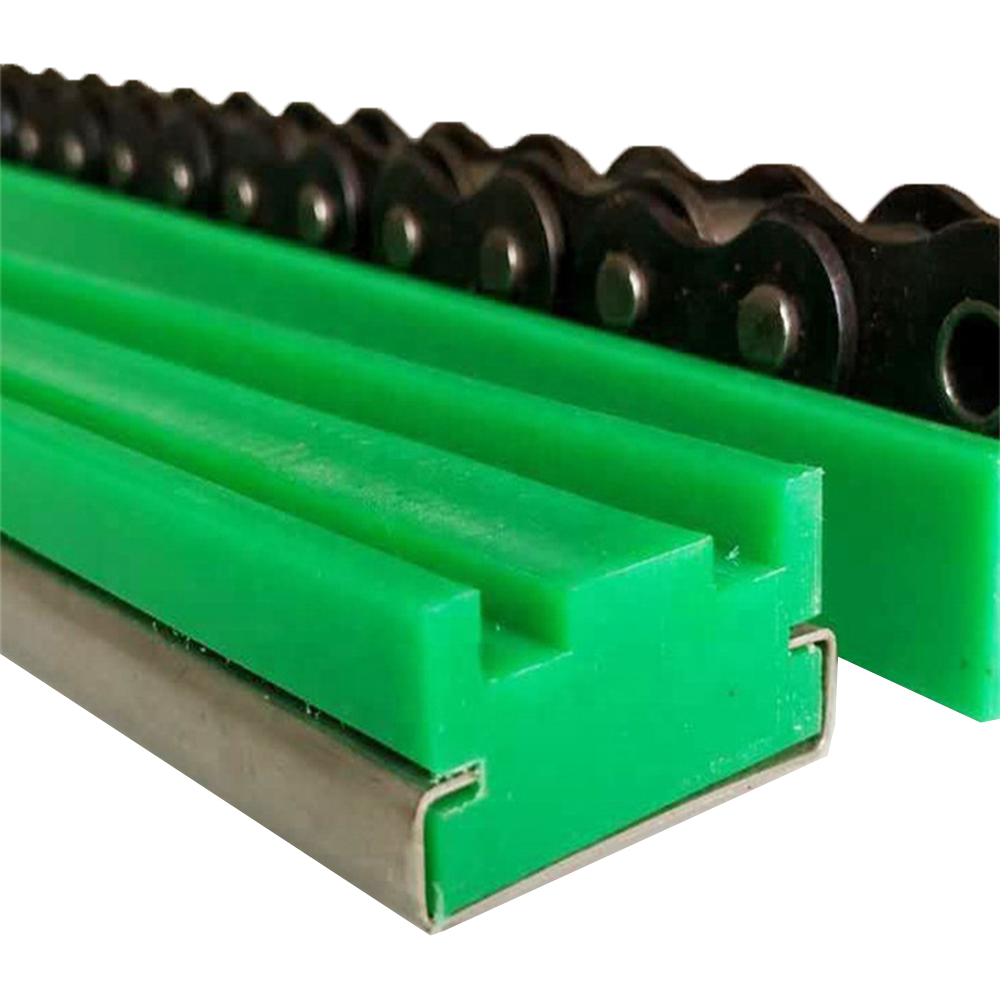
What is a Chain Guide Wear Strip?
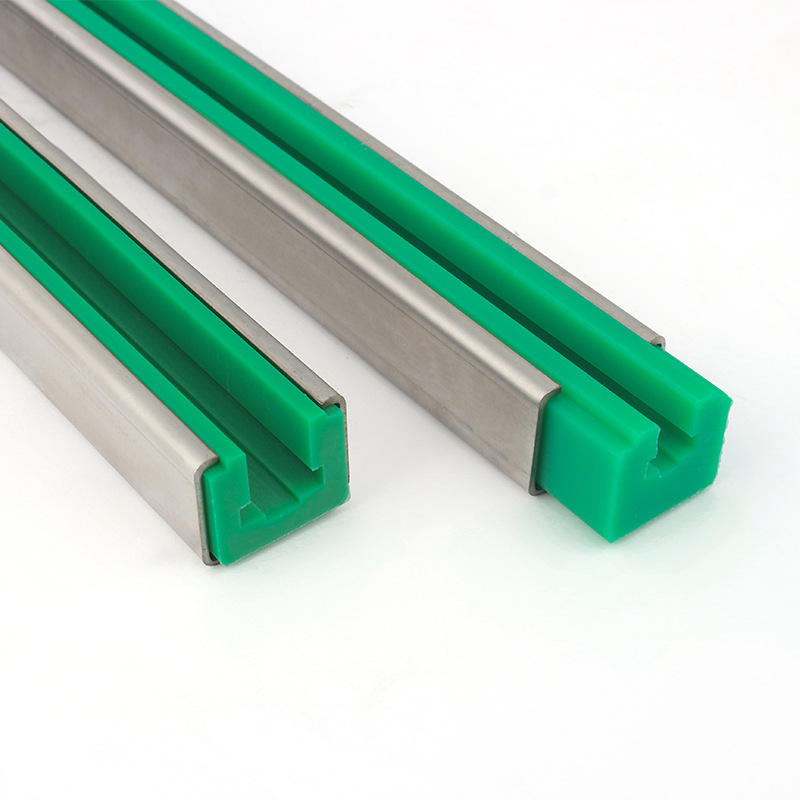
A chain guide wear strip is a specially designed component that supports the conveyor chain while minimizing friction and wear. Unlike rigid metal tracks, it is usually made from advanced engineering plastics such as UHMW polyethylene, nylon, or other high-performance polymers. These materials are chosen for their low friction properties, self-lubricating surface, and high resistance to abrasion. By reducing friction, the strip prevents unnecessary stress on the conveyor chain, ensuring smoother movement and longer service life. Additionally, a chain guide wear strip significantly lowers noise during operation, making it especially beneficial in facilities where quiet performance is critical.
What are Traditional Guides?
Traditional guides, often made from steel or other rigid metals, have been used for decades in conveyor systems. Their main purpose is the same: to keep the chain aligned and stable as it moves. They are valued for their rigidity, strength, and ability to withstand heavy loads. However, these guides come with limitations. The metal-on-metal contact between the chain and the guide can create high friction, leading to faster wear, increased noise, and higher energy consumption. While once the go-to solution, traditional guides are now considered less efficient compared to modern alternatives such as the chain guide wear strip.
Comparing Chain Guide Wear Strip and Traditional Guides
When comparing a chain guide wear strip with traditional guides, several key differences emerge:
-
Friction and Efficiency: The plastic surface of a chain guide wear strip reduces friction dramatically, while traditional guides cause more drag and heat.
-
Durability and Maintenance: Wear strips extend chain life and reduce the need for lubrication, whereas traditional guides often demand more frequent maintenance.
-
Noise Levels: A chain guide wear strip operates quietly, while metal guides produce significant vibration and noise.
-
Cost-effectiveness: Although a chain guide wear strip may require a higher initial investment, it reduces downtime, replacement costs, and energy consumption, making it more economical in the long run.
Advantages of Chain Guide Wear Strip Over Traditional Guides
The chain guide wear strip brings several advantages that make it a preferred choice in modern conveyor systems:
-
Enhanced Safety: Reduced friction and smoother chain movement lower the risk of sudden breakdowns or accidents.
-
Protection of Equipment: By preventing metal-on-metal contact, the strip safeguards both the chain and the conveyor frame from damage.
-
Versatility: Suitable for food processing, packaging, logistics, and many other industries where cleanliness, efficiency, and durability are crucial.
-
Ease of Installation: Chain guide wear strip components are lightweight and simple to install or replace, minimizing downtime during maintenance.
When Traditional Guides Still Make Sense
While the chain guide wear strip is the superior option in most cases, traditional guides still have their place. In extremely high-load applications where maximum rigidity is required, a metal guide may still be the best choice. Additionally, in environments where plastic materials may degrade due to chemical exposure or extreme heat, traditional metal guides can offer reliability. For projects with very short lifespans or limited budgets, traditional guides may also provide a cost-effective temporary solution.
Choosing the Right Solution for Your Application
Selecting between a chain guide wear strip and a traditional guide depends on several factors. Industries that require clean, quiet, and low-maintenance operations, such as food and beverage processing, typically benefit more from a chain guide wear strip. On the other hand, applications involving extreme loads or harsh environmental conditions may still call for traditional metal guides. To make the best decision, evaluate your conveyor system’s specific requirements, including operating environment, load demands, and maintenance goals. Consulting with a supplier who specializes in conveyor components can also help in identifying the most suitable guide type for your application.
Conclusion
Both the chain guide wear strip and traditional guide serve the same fundamental purpose—ensuring smooth and reliable chain movement in conveyor systems. However, the differences in performance, efficiency, and long-term cost make the chain guide wear strip the modern choice for most industries. While traditional guides still have niche applications, the advantages of wear strips in reducing friction, extending chain life, and lowering maintenance costs are hard to ignore. Ultimately, choosing the right solution depends on your specific operational needs, but in most cases, a chain guide wear strip is the smarter investment for efficiency, safety, and reliability.