
- July 29, 2025
- Posted by: feinuojixie
- Category: Chain Guides News
No Comments

In the fast-paced world of manufacturing, the seamless operation of machinery is crucial for productivity and quality. Chain guides, integral components of reliable guide systems, play a pivotal role in ensuring the smooth and efficient movement of chains within manufacturing equipment. This blog post will explore the significance, benefits, types, and best practices related to chain guides, highlighting their impact on enhancing manufacturing processes.
Understanding Chain Guides: The Basics
Definition and Function
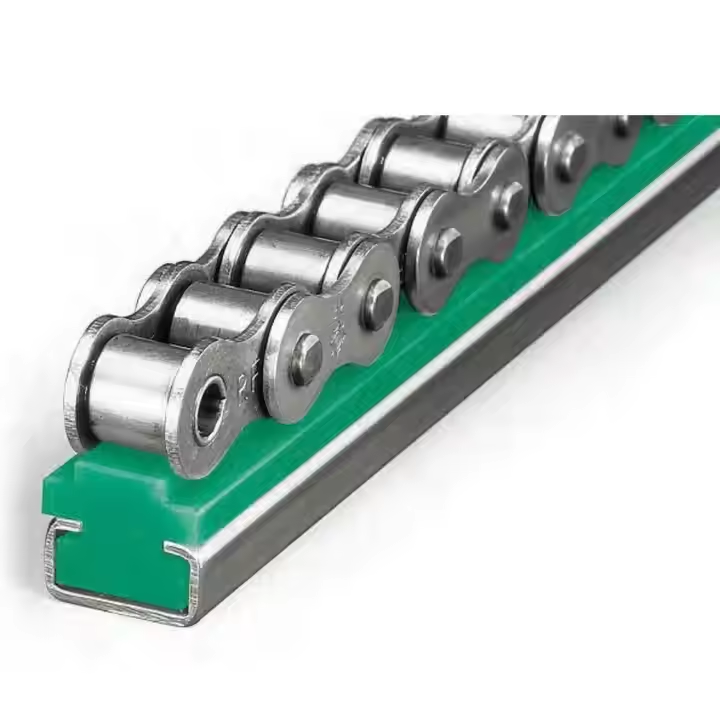
Chain guides are specialized components designed to support, direct, and protect chains as they move along their intended paths in manufacturing machinery. Their primary function is to prevent chain slippage, misalignment, and excessive wear, which can lead to costly breakdowns and production delays.
Role in Guide Systems
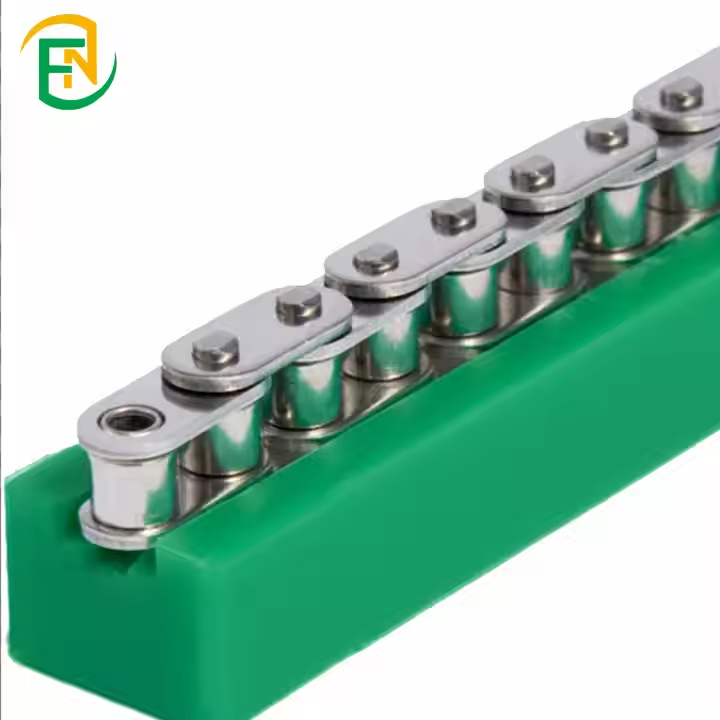
As part of reliable guide systems, chain guides work in tandem with other components such as sprockets, bearings, and frames to create a cohesive system that enables precise chain movement. They act as a guide rail, ensuring that the chain remains in the correct position and operates with minimal friction.
The Benefits of Incorporating Chain Guides in Manufacturing
Enhanced Equipment Reliability
By reducing chain wear and preventing misalignment, chain guides significantly extend the lifespan of manufacturing equipment. This leads to fewer breakdowns, less downtime for repairs, and ultimately, increased productivity.
Improved Product Quality
Precise chain movement facilitated by chain guides ensures consistent product quality. When chains operate smoothly, there is less risk of product damage or defects caused by chain-related issues, resulting in higher customer satisfaction.
Cost Savings
Although chain guides represent an upfront investment, they offer long-term cost savings. Reduced equipment maintenance, lower replacement costs due to extended component life, and increased production efficiency all contribute to a more cost-effective manufacturing operation.
Types of Chain Guides for Manufacturing
Rigid Chain Guides
Rigid chain guides are typically made from materials such as steel or high-strength polymers. They provide a stable and fixed support structure for chains, ideal for applications where high precision and heavy loads are involved.
Flexible Chain Guides
Flexible chain guides, often constructed from elastomeric materials, offer more adaptability. They can accommodate minor variations in chain movement and are suitable for applications where some flexibility is required to absorb shocks and vibrations.
Self-Lubricating Chain Guides
Self-lubricating chain guides are designed with built-in lubrication mechanisms or made from materials with inherent lubricating properties. This reduces the need for frequent manual lubrication, minimizing maintenance requirements and improving operational efficiency.
Factors to Consider When Selecting Chain Guides
Chain Type and Size
The type and size of the chain being used in the manufacturing process will determine the appropriate chain guide. Different chains have specific requirements in terms of support, width, and load-bearing capacity.
Operating Conditions
Factors such as temperature, humidity, and the presence of contaminants in the manufacturing environment will influence the choice of chain guide material and design. For example, in high-temperature applications, heat-resistant materials are essential.
Load and Speed Requirements
The amount of load the chain will carry and the speed at which it operates are crucial considerations. Chain guides must be able to withstand the forces exerted by the chain under these conditions without deforming or failing.
Installation and Maintenance Best Practices
Proper Installation Techniques
Correct installation of chain guides is essential for their optimal performance. This includes ensuring proper alignment with the chain path, secure fastening to the equipment frame, and correct adjustment of any adjustable components.
Regular Maintenance Checks
To keep chain guides in good working condition, regular maintenance is necessary. This may involve inspecting for wear and tear, cleaning to remove debris, and lubricating if required. Scheduled maintenance helps identify potential issues before they escalate into major problems.
Troubleshooting Common Issues
Even with proper installation and maintenance, chain guide problems can occur. Common issues such as chain rubbing, excessive noise, or guide deformation need to be addressed promptly. Understanding how to troubleshoot these problems can save time and prevent further damage to the manufacturing equipment.
Case Studies: Real-World Applications of Chain Guides
Automotive Manufacturing
In automotive manufacturing plants, chain guides are used in assembly lines to move components accurately. Their ability to handle heavy loads and maintain precision ensures the efficient production of vehicles.
Food and Beverage Industry
In the food and beverage industry, where hygiene and product integrity are paramount, chain guides made from food-grade materials are essential. They prevent product contamination while ensuring smooth operation of conveyor systems.
Packaging Industry
The packaging industry relies on chain guides to move products through various stages of the packaging process. From filling and sealing to labeling, accurate chain movement facilitated by reliable chain guides is crucial for high-quality packaging.
Elevating Manufacturing with Chain Guides
Chain guides are an indispensable part of reliable guide systems in manufacturing. Their ability to enhance equipment reliability, improve product quality, and offer cost savings makes them a valuable investment for any manufacturing operation. By understanding the different types, considering the relevant factors when selecting, and following best practices for installation and maintenance, manufacturers can fully leverage the benefits of chain guides and optimize their production processes.