
- December 19, 2025
- Posted by: feinuojixie
- Category: Chain Guides News
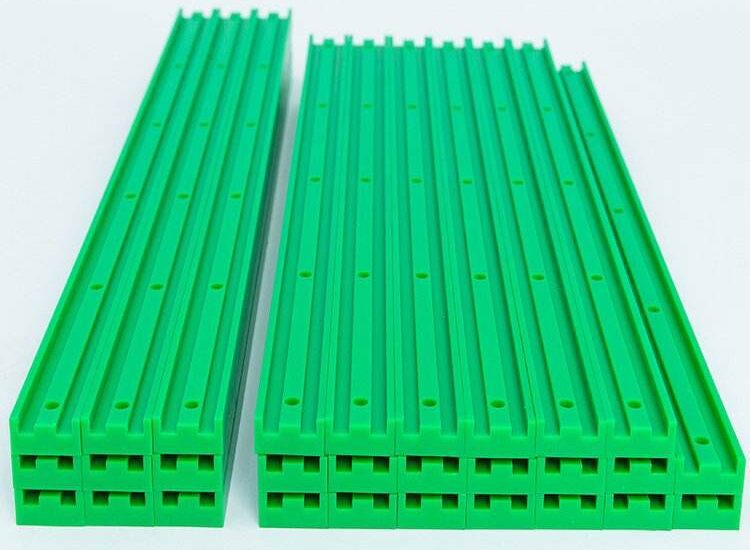
In modern mechanical systems, precision and reliability are non-negotiable. Chain guides for roller chain play a critical role in ensuring smooth power transmission and controlled motion, especially in continuous-operation environments. For engineers, understanding how these components function and how to select the right option is essential to achieving long-term system stability and reduced downtime.
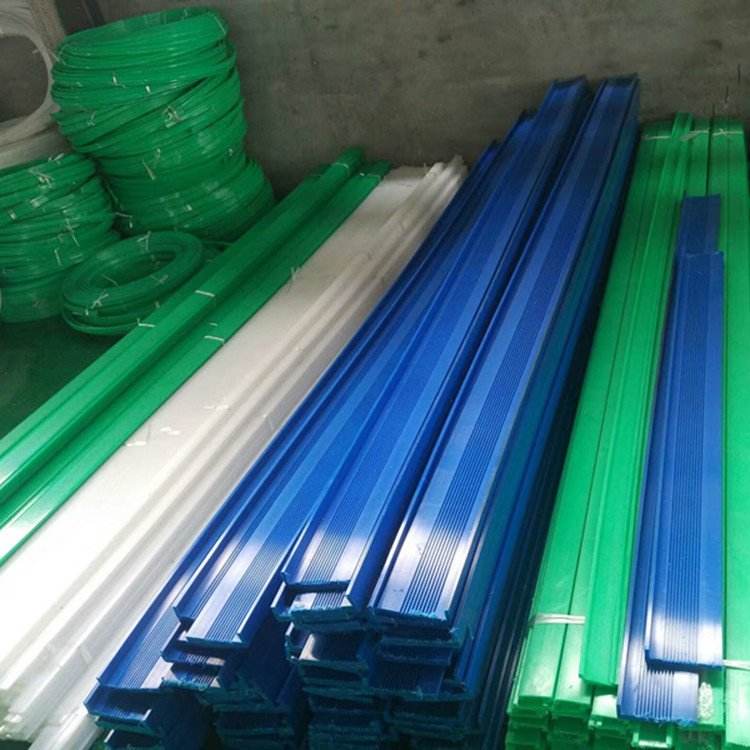
What Are Chain Guides for Roller Chain and How Do They Work
Chain guides for roller chain are engineered components designed to support and direct roller chain during operation. They maintain consistent chain alignment along a predefined path, preventing lateral movement and unwanted contact with surrounding machine parts. By guiding the chain smoothly, they help reduce friction, improve tracking accuracy, and protect both the chain and sprockets from excessive wear.
Key Functions of Chain Guides for Roller Chain in Mechanical Design
One of the main functions of chain guides for roller chain is maintaining proper chain alignment under varying loads. They also absorb vibration generated during motion, which helps stabilize the entire system. In addition, these guides reduce metal-to-metal contact, contributing to longer component life and more predictable mechanical performance.
Common Applications of Chain Guides for Roller Chain Across Industries
Chain guides for roller chain are widely used across multiple industries where continuous motion is required. Common applications include conveyor systems, automated assembly lines, food processing equipment, packaging machinery, and material handling systems. Their versatility makes them an essential component in both light-duty and heavy-duty engineering applications.
Material Options for Chain Guides for Roller Chain and Their Impact on Performance
Material selection has a significant influence on how chain guides for roller chain perform over time. Engineering plastics are commonly used due to their low friction, high wear resistance, and self-lubricating properties. In demanding environments, material choice directly affects noise levels, resistance to chemicals, and overall service life, making it a key consideration during the buying process.
Design Considerations When Selecting Chain Guides for Roller Chain
When choosing chain guides for roller chain, engineers must evaluate load capacity, operating speed, and system geometry. Environmental factors such as temperature fluctuations, moisture, and exposure to contaminants should also be considered. Proper design alignment ensures the guide performs effectively without introducing unnecessary stress on the chain.
How Chain Guides for Roller Chain Reduce Wear and Extend Chain Life
By keeping the chain consistently aligned, chain guides for roller chain minimize uneven load distribution and friction points. This controlled guidance prevents chain skipping, side wear, and premature elongation. Over time, this leads to extended chain life and reduced replacement costs, which is especially valuable in high-duty applications.
Noise and Vibration Control Benefits of Chain Guides for Roller Chain
Excessive noise and vibration often indicate poor chain control. Chain guides for roller chain help dampen vibration by stabilizing chain movement and absorbing operational shock. This results in quieter machinery, improved operator comfort, and reduced stress on adjacent mechanical components.
Installation Best Practices for Chain Guides for Roller Chain
Proper installation is essential for achieving the full benefits of chain guides for roller chain. Accurate positioning, secure mounting, and correct alignment with sprockets ensure smooth operation from the start. Engineers should also verify that clearances allow for natural chain movement without excessive constraint.
Maintenance and Inspection of Chain Guides for Roller Chain
Although chain guides for roller chain are designed for durability, regular inspection is still important. Engineers should monitor wear patterns, check mounting stability, and ensure consistent chain tracking. Early detection of wear helps prevent unexpected failures and costly downtime.
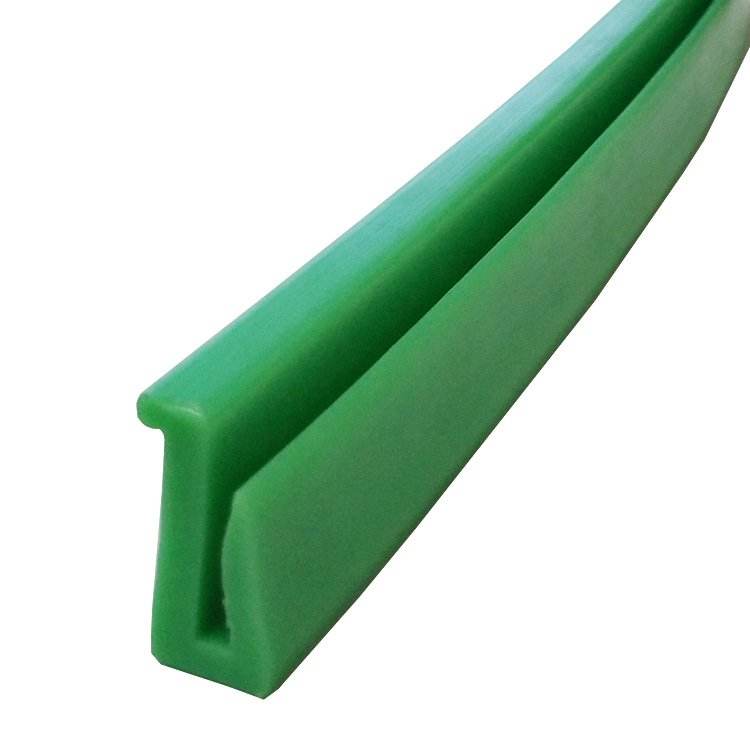
Common Mistakes Engineers Make When Buying Chain Guides for Roller Chain
A common mistake is selecting chain guides for roller chain based solely on initial cost rather than performance requirements. Ignoring environmental conditions, load demands, or compatibility with existing equipment can lead to premature failure. Proper evaluation and specification prevent these avoidable issues.
How to Choose the Right Supplier for Chain Guides for Roller Chain
A reliable supplier of chain guides for roller chain should offer consistent material quality, engineering support, and customization options. Technical expertise and application guidance are critical for engineers seeking optimal performance and long-term reliability.
Conclusion: Making Smarter Engineering Decisions with Chain Guides for Roller Chain
Chain guides for roller chain are more than simple accessories—they are essential components that influence system efficiency, durability, and operational stability. By understanding design principles, material considerations, and application requirements, engineers can make informed purchasing decisions that deliver lasting value and dependable performance.