
- December 31, 2025
- Posted by: feinuojixie
- Category: Chain Guides News
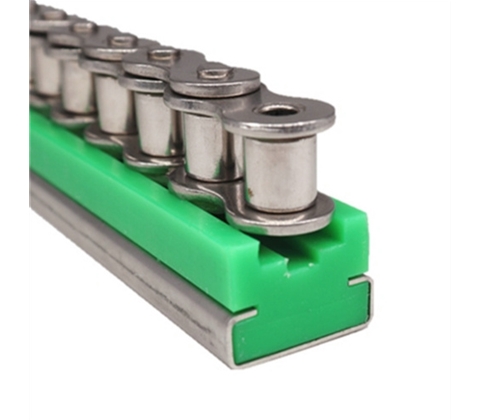
In conveyor system design, small components often play an outsized role in overall performance. One such component is chain guides for roller chain, which are frequently underestimated during early design stages. Yet for conveyor designers, these guides are essential for achieving smooth operation, long service life, and predictable system behavior.
Without proper chain guidance, even a well-specified roller chain can suffer from misalignment, excessive noise, accelerated wear, and unexpected downtime. Chain guides for roller chain provide controlled motion paths that stabilize the chain, reduce friction between metal components, and protect both the chain and surrounding structures. For designers working on material handling, packaging, automotive, or food processing conveyors, understanding how and where to apply chain guides for roller chain is a fundamental design skill.
This practical guide is written specifically for conveyor designers who want to make informed decisions, avoid common pitfalls, and create systems that perform reliably from day one.
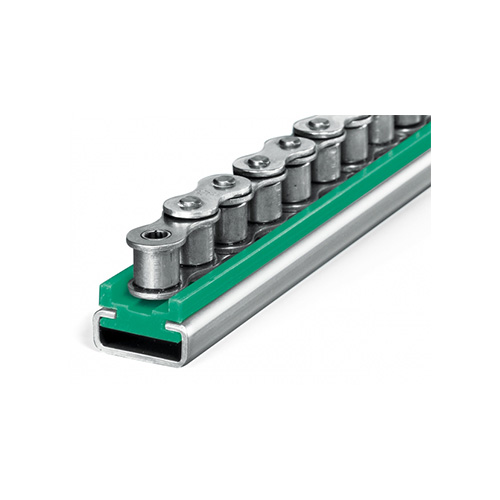
Understanding the Function of Chain Guides for Roller Chain in Conveyor Systems
At their core, chain guides for roller chain are engineered profiles that support and direct chain movement along a defined path. They are typically mounted to the conveyor frame and serve as a low-friction interface between the moving chain and the stationary structure.
In conveyor systems, roller chain is subjected to continuous motion, varying loads, and directional changes. Without guidance, the chain can wander laterally, lift off the intended track, or contact metal surfaces that cause abrasion. Chain guides for roller chain prevent these issues by maintaining consistent alignment and ensuring the chain follows the designed trajectory.
Beyond simple guidance, these components also play a role in load distribution. By supporting the chain evenly, chain guides for roller chain reduce localized stress on pins and rollers, which directly contributes to longer chain life and more predictable maintenance intervals.
Key Design Challenges Solved by Chain Guides for Roller Chain
Conveyor designers face a range of mechanical challenges that can compromise system reliability. Chain guides for roller chain are specifically designed to address several of the most common issues.
One major challenge is chain misalignment, especially in long conveyor runs or systems with curves and elevation changes. Misalignment increases friction and can cause uneven wear. Chain guides for roller chain keep the chain centered and stable, even under fluctuating loads.
Noise and vibration are another concern, particularly in facilities where operator comfort or noise regulations are important. Metal-to-metal contact between chain and frame is a frequent source of noise. By introducing a low-friction guiding surface, chain guides for roller chain significantly reduce vibration and operating sound.
Wear control is also a critical factor. Without guidance, chain components can wear unevenly, leading to early failure. Properly designed chain guides for roller chain help ensure uniform contact and smooth motion, extending the service life of the entire conveyor system.
Material Selection Considerations for Chain Guides for Roller Chain
Choosing the right material for chain guides for roller chain is a decision that directly affects performance and durability. Conveyor designers must consider operating conditions such as load, speed, temperature, and exposure to chemicals or moisture.
Engineering plastics are commonly used because they offer low friction, excellent wear resistance, and corrosion immunity. In high-load or high-impact applications, reinforced materials may be preferred to prevent deformation. For high-temperature environments, specialized polymers are often required to maintain dimensional stability.
The key for designers is to match the material properties of chain guides for roller chain with the specific demands of the conveyor application. A material that performs well in a clean, indoor packaging line may fail prematurely in a heavy-duty industrial setting.
How Chain Guides for Roller Chain Improve Conveyor Accuracy and Stability
Precision is increasingly important in modern conveyor systems, especially those integrated with automation, robotics, or inspection equipment. Chain guides for roller chain play a direct role in improving positional accuracy and motion stability.
By controlling lateral and vertical movement, chain guides for roller chain ensure that the chain maintains a consistent path. This consistency translates into predictable product positioning, which is essential for downstream processes such as labeling, sorting, or assembly.
Stability also affects speed capability. A well-guided chain can operate at higher speeds with less risk of derailment or vibration. For conveyor designers aiming to maximize throughput without sacrificing reliability, chain guides for roller chain are a critical enabling component.
Integrating Chain Guides for Roller Chain into New Conveyor Designs
The most effective use of chain guides for roller chain happens at the design stage. When guides are considered early, designers can optimize frame geometry, mounting points, and tolerances to achieve the best results.
During layout development, designers should identify areas where the chain is most vulnerable to misalignment, such as transitions, curves, and load zones. Integrating chain guides for roller chain in these locations helps prevent problems before they occur.
Designing with guides in mind also simplifies installation and maintenance. Properly integrated chain guides for roller chain reduce the need for later adjustments and minimize the risk of unexpected wear patterns during operation.
Retrofitting Existing Conveyors with Chain Guides for Roller Chain
Not all conveyors are designed with adequate guidance from the start. In existing systems, performance issues often reveal the need for improved chain control. Retrofitting with chain guides for roller chain can be a cost-effective way to enhance reliability without a full system redesign.
Designers evaluating retrofit options should focus on identifying wear points, noise sources, and alignment issues. Adding chain guides for roller chain to these problem areas can dramatically improve system behavior and extend the remaining life of the conveyor.
Successful retrofits require careful measurement and material selection to ensure compatibility with existing structures. When done correctly, chain guides for roller chain can transform an underperforming conveyor into a stable and efficient system.
Installation Best Practices for Chain Guides for Roller Chain
Even the best design can fail if installation is not executed correctly. Proper alignment is essential when installing chain guides for roller chain. Guides must be mounted parallel to the chain path and secured firmly to prevent movement under load.
Clearances should be carefully controlled. Too much clearance reduces guiding effectiveness, while too little can increase friction. Conveyor designers should specify tolerances that balance smooth motion with adequate support.
Attention to detail during installation ensures that chain guides for roller chain deliver the performance benefits they are designed to provide.
Maintenance and Inspection Tips for Chain Guides for Roller Chain
Although chain guides for roller chain are typically low-maintenance components, regular inspection is still important. Designers should plan for visual checks that look for signs of uneven wear, deformation, or contamination.
Wear patterns can provide valuable feedback about system alignment and load distribution. If chain guides for roller chain show localized wear, it may indicate a deeper design or installation issue that needs correction.
By incorporating simple inspection routines into maintenance plans, conveyor designers can help operators maximize uptime and avoid unexpected failures.

Common Mistakes Conveyor Designers Make with Chain Guides for Roller Chain
One common mistake is treating chain guides for roller chain as an afterthought rather than a core design element. This often leads to undersized or improperly placed guides that fail prematurely.
Another frequent error is selecting materials without fully considering the operating environment. Using the wrong material for chain guides for roller chain can result in excessive wear or thermal deformation.
Avoiding these mistakes requires a holistic view of the conveyor system and a clear understanding of how chain guides for roller chain interact with other components.
How to Choose the Right Chain Guides for Roller Chain Supplier
The performance of chain guides for roller chain depends not only on design but also on manufacturing quality. Conveyor designers should look for suppliers with proven experience, consistent material quality, and the ability to provide technical support.
A reliable supplier can help designers select the appropriate guide profile, material, and mounting method for each application. This collaboration often leads to better system performance and fewer issues during commissioning.
Designing Smarter Conveyors with Chain Guides for Roller Chain
For conveyor designers, chain guides for roller chain are far more than simple accessories. They are essential components that influence alignment, noise, wear, and overall system reliability.
By understanding their function, selecting the right materials, and integrating them thoughtfully into designs, designers can create conveyor systems that operate smoothly and efficiently over the long term. Whether applied in new designs or retrofits, chain guides for roller chain are a practical investment in smarter, more dependable conveyor solutions.