
- December 24, 2025
- Posted by: feinuojixie
- Category: Chain Guides News
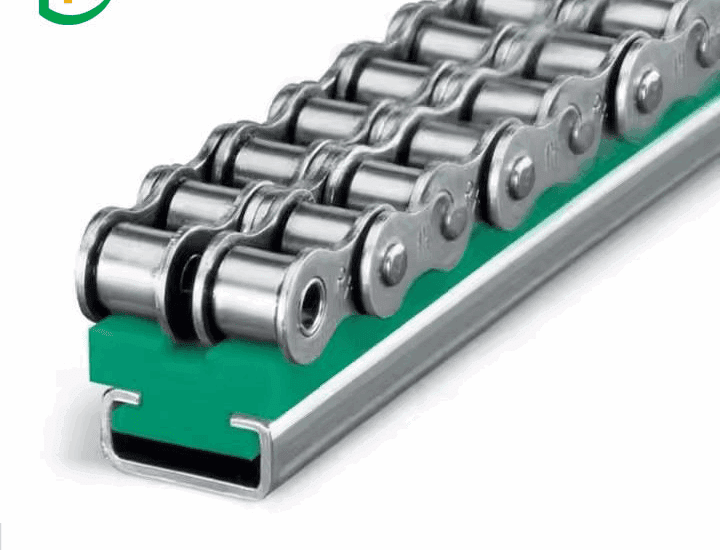
In many industrial systems, roller chain performance is often associated with chain quality, lubrication, or drive design, while chain guides for roller chain receive far less attention. This oversight can be costly. Chain guides for roller chain play a critical role in maintaining alignment, controlling movement, reducing vibration, and preventing excessive wear. When mistakes are made in their selection or use, the result is often increased downtime, higher maintenance costs, and shortened equipment life.
Understanding the most common mistakes associated with chain guides for roller chain is the first step toward building a more reliable and efficient conveying or power transmission system. By identifying these issues early and applying proven solutions, engineers and maintenance teams can significantly improve system performance.

Understanding the Function of Chain Guides for Roller Chain
Chain guides for roller chain are designed to control the path of the chain during operation. They stabilize movement, reduce lateral deflection, and prevent unwanted contact between the chain and surrounding components. By maintaining consistent guidance, chain guides for roller chain help minimize noise, limit wear on both the chain and the guide surface, and improve overall system efficiency.
Beyond simple guidance, chain guides for roller chain also contribute to safety and reliability. Properly designed guides prevent derailment, reduce shock loads, and ensure predictable chain behavior even under varying operating conditions. When their function is misunderstood or underestimated, mistakes in selection and installation become far more likely.
Mistake One: Choosing the Wrong Material for Chain Guides for Roller Chain
One of the most frequent mistakes is selecting a material that does not match the application requirements. Chain guides for roller chain operate under constant contact, friction, and load. Using a material with insufficient wear resistance can lead to rapid degradation, while choosing an overly rigid material may increase noise and stress on the chain.
Environmental factors further complicate material selection. Temperature extremes, moisture, chemical exposure, and debris can all accelerate material failure. When these conditions are ignored, chain guides for roller chain may fail long before their expected service life.
How to Avoid Material Selection Errors in Chain Guides for Roller Chain
To avoid material-related issues, it is essential to evaluate the actual operating environment. Load, speed, temperature range, and exposure to contaminants should all be considered before choosing chain guides for roller chain. Materials engineered for low friction and high wear resistance often provide the best balance between durability and performance.
Consulting technical data and application-specific recommendations can also prevent costly mistakes. Selecting chain guides for roller chain that are designed for the intended operating conditions ensures consistent performance and reduces the need for frequent replacement.
Mistake Two: Ignoring Chain Alignment When Installing Chain Guides for Roller Chain
Improper alignment is another common issue that undermines the effectiveness of chain guides for roller chain. Even a well-designed guide cannot perform correctly if the chain path is misaligned. Poor alignment increases friction, causes uneven wear, and can lead to chain instability or derailment.
This mistake often occurs during installation or system modification, when alignment checks are skipped to save time. Over time, the resulting wear patterns can damage both the chain and the guide, leading to unexpected failures.
How Proper Alignment Improves Chain Guides for Roller Chain Performance
Correct alignment ensures that chain guides for roller chain provide consistent support along the entire chain path. During installation, careful measurement and adjustment help maintain a straight and stable chain trajectory. Periodic alignment checks are equally important, especially in systems subject to vibration or structural movement.
When alignment is properly managed, chain guides for roller chain operate with lower friction, reduced noise, and significantly longer service life.
Mistake Three: Overlooking Load and Speed Requirements
Another frequent error is failing to account for actual load and speed conditions. Chain guides for roller chain that perform well in light-duty applications may wear rapidly under higher loads or faster speeds. This mismatch often results in deformation, surface damage, or loss of guiding accuracy.
Underestimating operating conditions typically leads to premature failure and increased maintenance demands.
Matching Chain Guides for Roller Chain to Real Operating Conditions
Accurate evaluation of load and speed is essential when selecting chain guides for roller chain. This includes considering peak loads, start-stop cycles, and continuous operation demands. By matching the guide design and material to real-world conditions, performance remains stable even under demanding use.
This proactive approach reduces unexpected downtime and ensures that chain guides for roller chain support the system as intended.
Mistake Four: Poor Mounting Design and Support
Even high-quality chain guides for roller chain can fail if they are poorly mounted. Inadequate support spacing, weak fasteners, or unstable mounting surfaces can cause vibration and uneven contact. These issues accelerate wear and reduce guiding effectiveness.
Mounting errors are often overlooked during system design, especially when guides are treated as secondary components.
Designing Stable Support for Chain Guides for Roller Chain
Effective mounting design focuses on stability and consistency. Chain guides for roller chain should be securely fastened with appropriate support intervals to prevent flexing or movement. A rigid mounting structure ensures uniform load distribution and predictable chain behavior.
Proper support design not only extends guide life but also improves overall system reliability.
Mistake Five: Neglecting Environmental Factors
Environmental conditions play a significant role in the performance of chain guides for roller chain. Dust, moisture, chemicals, and temperature fluctuations can all degrade materials and increase wear. When these factors are ignored, even correctly selected guides may fail prematurely.
This mistake is especially common in outdoor or washdown environments.
How to Adapt Chain Guides for Roller Chain to Harsh Environments
Adapting chain guides for roller chain to challenging environments requires thoughtful material choice and system design. Selecting materials resistant to moisture or chemicals, along with protective enclosures when necessary, can dramatically improve durability.
Regular inspection and cleaning further ensure that environmental exposure does not compromise guide performance.
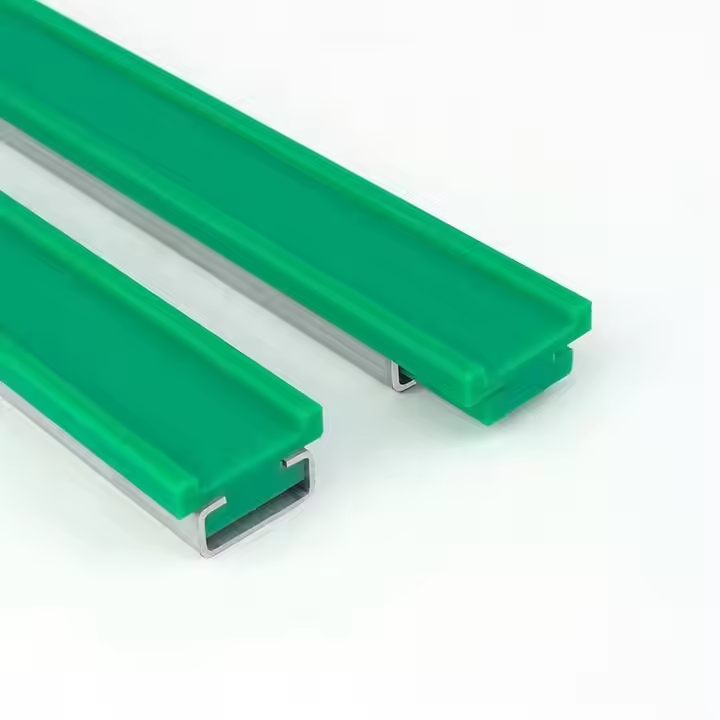
Mistake Six: Assuming Chain Guides for Roller Chain Are Maintenance-Free
While chain guides for roller chain are often marketed as low-maintenance components, assuming they require no attention at all is a mistake. Over time, wear patterns, debris buildup, and mounting loosening can reduce effectiveness.
Ignoring early signs of wear often results in larger system issues later.
Establishing a Smart Maintenance Strategy for Chain Guides for Roller Chain
A simple maintenance strategy includes routine visual inspections, checking mounting stability, and monitoring wear surfaces. Addressing minor issues early helps maintain consistent performance and prevents unplanned downtime.
Well-maintained chain guides for roller chain continue to protect the chain and surrounding components throughout their service life.
Long-Term Benefits of Avoiding Common Chain Guide Mistakes
Avoiding these common mistakes delivers measurable long-term benefits. Properly selected and installed chain guides for roller chain reduce wear, lower noise, improve efficiency, and extend equipment lifespan. These advantages translate directly into cost savings and improved operational reliability.
Getting the Most Value from Chain Guides for Roller Chain
Chain guides for roller chain may seem like small components, but their impact on system performance is significant. By understanding common mistakes and applying best practices in selection, installation, and maintenance, it is possible to maximize their value.
Thoughtful planning and informed decisions ensure that chain guides for roller chain perform their intended role effectively, helping industrial systems operate smoothly, efficiently, and reliably over the long term.