
- December 19, 2025
- Posted by: feinuojixie
- Category: Chain Guides News
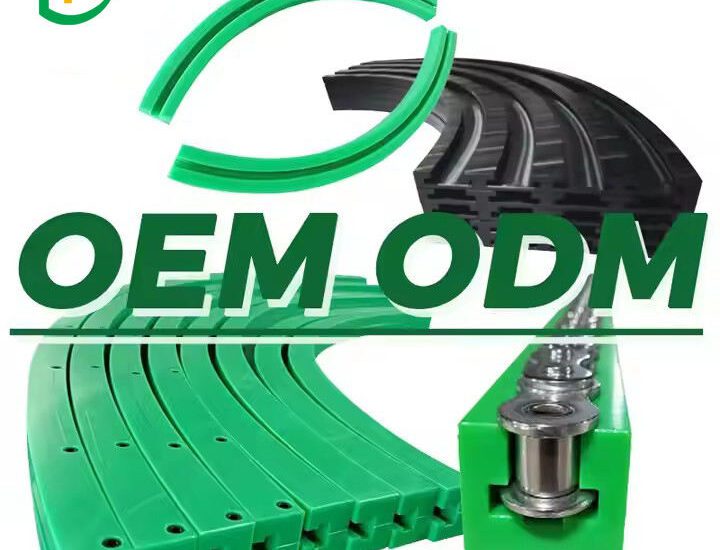
In today’s industrial environments, maintenance teams are under constant pressure to keep equipment running smoothly while minimizing downtime, noise, and unexpected failures. One often overlooked yet critical component in achieving these goals is chain guides for roller chain. Although they may appear simple at first glance, these guides play a vital role in stabilizing chain motion, protecting surrounding components, and ensuring consistent system performance.
Chain guides for roller chain are designed to control the path of the chain as it moves through a system. Instead of allowing the chain to wander, vibrate, or slap against metal surfaces, the guide provides a defined, low-friction track that keeps motion predictable. For maintenance teams, this translates directly into fewer emergency repairs, easier inspections, and more reliable production schedules.
As machinery becomes faster and more compact, the margin for error in chain-driven systems continues to shrink. Even minor misalignment or vibration can lead to excessive wear, noise complaints, or sudden breakdowns. By incorporating chain guides for roller chain into system design and maintenance planning, teams gain a powerful tool for preventing small issues from turning into costly failures.
Just as importantly, understanding how chain guides for roller chain function allows maintenance personnel to make better decisions during troubleshooting and upgrades. Rather than reacting to recurring chain problems, teams can address root causes and improve overall system stability. This foundational knowledge sets the stage for safer operations, longer component life, and a more proactive maintenance strategy.
What Chain Guides for Roller Chain Are and How They Work
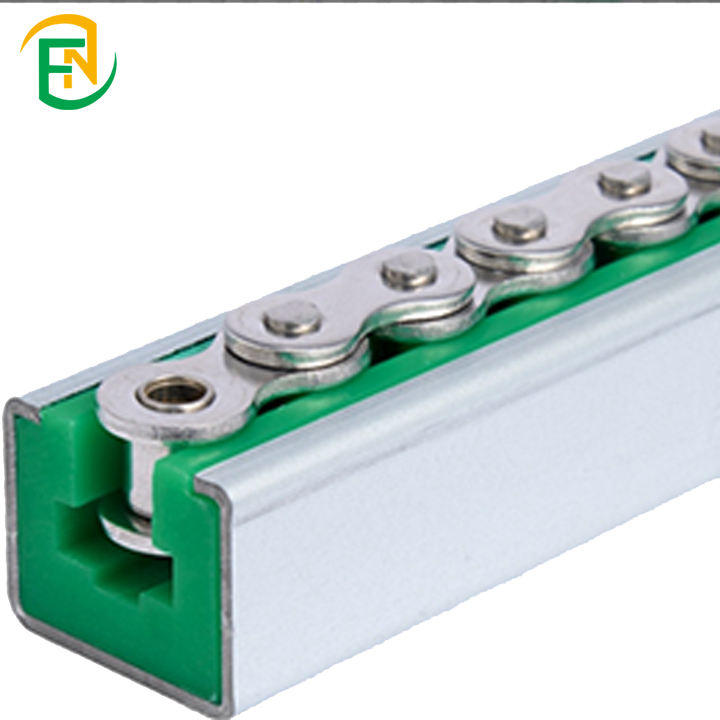
Chain guides for roller chain are engineered components designed to support and control the movement of a roller chain along a defined path. Rather than allowing the chain to move freely and unpredictably, the guide creates a stable contact surface that maintains alignment throughout operation. This controlled movement is especially important in systems with long chain runs, directional changes, or high operating speeds.
At a functional level, chain guides for roller chain work by providing consistent lateral and vertical support. As the chain engages and disengages from sprockets, the guide absorbs minor motion variations and dampens vibration. This prevents the chain from oscillating or lifting, which are common causes of noise, wear, and mechanical stress.
Because the guide is typically made from low-friction material, it allows smooth sliding contact without the need for constant lubrication. This design makes chain guides for roller chain ideal for environments where cleanliness, efficiency, and reliability are essential.
Why Chain Guides for Roller Chain Matter for Maintenance Teams
For maintenance teams, reliability is everything. Chain guides for roller chain directly support this goal by reducing the number of variables that can lead to system failure. When a chain runs in a controlled path, maintenance personnel can more easily predict wear patterns and schedule service before issues escalate.
Another major advantage is reduced reactive maintenance. Uncontrolled chain movement often results in sudden failures, damaged sprockets, or safety incidents. By using chain guides for roller chain, maintenance teams shift from firefighting mode to a more planned and strategic approach, improving overall equipment effectiveness.
In addition, quieter operation is a significant benefit. Excessive noise is often a symptom of chain instability, and chain guides for roller chain help eliminate metal-to-metal contact that causes rattling and vibration. This not only improves the working environment but also serves as an early indicator of system health.
Common Problems Solved by Chain Guides for Roller Chain
Many recurring chain-related problems stem from insufficient guidance. Chain guides for roller chain address these challenges by stabilizing motion and preventing unwanted contact with surrounding components. One of the most common issues is chain misalignment, which can quickly lead to uneven wear and premature failure.
Another frequent problem is chain whip or flutter, especially in high-speed or lightly loaded systems. Chain guides for roller chain suppress this movement, ensuring the chain remains seated and engaged throughout its travel. This stability protects both the chain and the sprockets from abnormal loading.
Excessive wear caused by sliding against metal frames or guards is also eliminated when chain guides for roller chain are properly installed. By replacing uncontrolled contact with a purpose-designed guiding surface, maintenance teams can significantly extend component life.
Materials Used in Chain Guides for Roller Chain and Their Performance Impact
The performance of chain guides for roller chain is heavily influenced by material selection. Common materials include engineered plastic designed for low friction, high wear resistance, and dimensional stability. These materials allow the guide to perform consistently even under continuous operation.
Material choice affects noise reduction, operating temperature limits, and resistance to chemicals or moisture. High-quality chain guides for roller chain maintain their shape over time, ensuring the chain remains properly supported without frequent adjustment or replacement.
For maintenance teams, understanding material properties helps ensure the guide matches the application environment. The right material reduces inspection intervals and improves long-term reliability.
How Chain Guides for Roller Chain Reduce Wear on Chains and Sprockets
Wear is an unavoidable reality in mechanical systems, but chain guides for roller chain significantly slow the process. By keeping the chain aligned, the guide ensures even load distribution across chain links and sprocket teeth.
When a chain runs without guidance, side loading and impact forces increase dramatically. Chain guides for roller chain minimize these forces by maintaining consistent contact and eliminating unnecessary movement. This reduces elongation, tooth wear, and surface damage.
Over time, the cumulative effect is substantial. Maintenance teams often see longer service life for both chain and sprocket components, along with more predictable replacement schedules.
Chain Guides for Roller Chain and Their Contribution to Safer Work Environments
Safety is a critical concern for any maintenance operation. Chain guides for roller chain contribute to safer workplaces by preventing unexpected chain movement that could lead to equipment damage or personal injury.
A guided chain is less likely to derail, snap, or strike nearby components. This stability reduces the risk of sudden mechanical events that can endanger operators or maintenance staff. In enclosed systems, chain guides for roller chain also help keep guarding intact by preventing repeated impact.
By improving control and predictability, these guides support safer maintenance procedures and reduce the likelihood of unplanned shutdowns caused by safety incidents.
Selecting the Right Chain Guides for Roller Chain for Your Application
Choosing the correct chain guides for roller chain requires consideration of operating conditions such as speed, load, temperature, and environmental exposure. A guide that performs well in one application may not be suitable for another.
Maintenance teams should evaluate chain path geometry, available mounting space, and expected wear patterns. Matching the guide design to the system ensures optimal support and minimizes the need for future modifications.
Consulting experienced suppliers and understanding system requirements helps ensure chain guides for roller chain deliver consistent performance throughout their service life.
Installation Best Practices for Chain Guides for Roller Chain
Proper installation is essential for achieving the full benefits of chain guides for roller chain. The guide must be aligned accurately with the chain path to prevent uneven contact or localized wear.
Secure mounting is equally important. A loosely installed guide can introduce vibration rather than eliminate it. Maintenance teams should verify that fasteners, brackets, and support structures are rigid and correctly positioned.
After installation, a short observation period helps confirm that chain guides for roller chain are functioning as intended, with smooth chain movement and minimal noise.
Maintenance and Inspection Tips for Chain Guides for Roller Chain
Although chain guides for roller chain are designed for durability, periodic inspection ensures continued performance. Maintenance teams should look for signs of abnormal wear, deformation, or contamination.
Cleaning the guide surface when necessary helps maintain low friction and prevents debris buildup. Regular checks also allow teams to identify upstream issues such as misalignment or excessive tension.
With basic inspection routines, chain guides for roller chain can operate reliably for extended periods without frequent intervention.
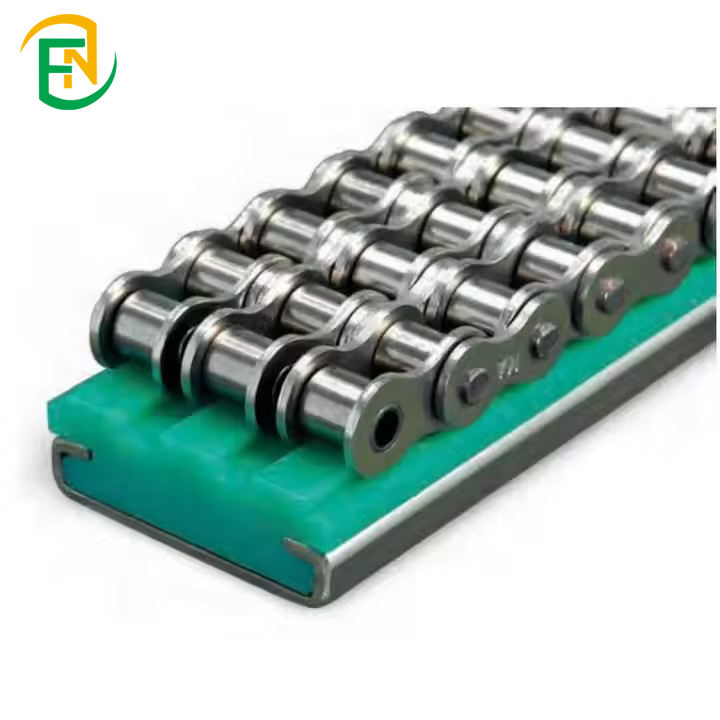
Long-Term Cost Benefits of Using Chain Guides for Roller Chain
From a cost perspective, chain guides for roller chain offer strong long-term value. Reduced wear, fewer breakdowns, and longer component life all contribute to lower maintenance expenses.
Downtime reduction is another major factor. Stable chain operation means fewer unexpected stops and more consistent production output. Over time, these savings far outweigh the initial investment in chain guides for roller chain.
For maintenance teams tasked with controlling budgets, these cost benefits make guided systems an attractive and practical solution.
Future Trends in Chain Guides for Roller Chain Design
As industrial systems evolve, chain guides for roller chain continue to improve. Advances in material science are leading to guides with higher temperature resistance, lower friction, and enhanced durability.
Customization is also becoming more common. Application-specific chain guides for roller chain allow maintenance teams to optimize performance for unique system layouts and operating demands.
These trends point toward even greater reliability and efficiency in future chain-driven systems.
Why Every Maintenance Team Should Understand Chain Guides for Roller Chain
Chain guides for roller chain are far more than simple accessories. They are essential components that support reliability, safety, and efficiency across a wide range of industrial applications.
For maintenance teams, understanding how these guides work and how to apply them effectively enables proactive maintenance strategies and better long-term performance. By reducing wear, stabilizing motion, and improving safety, chain guides for roller chain play a key role in modern maintenance operations.