
- December 25, 2025
- Posted by: feinuojixie
- Category: Chain Guides News
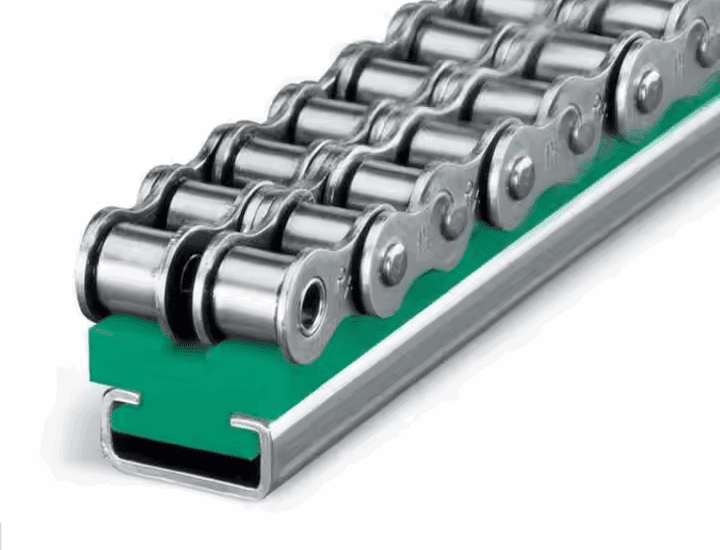
In modern industrial environments, speed is no longer a competitive advantage but a fundamental requirement. Automated production lines, high-throughput conveyors, and precision-driven machinery increasingly operate at higher speeds to meet growing efficiency and output demands. Under these conditions, even minor instability within a chain system can escalate into excessive wear, noise, or sudden failure. This is where chain guides for roller chain become a critical component rather than an optional accessory.
High-speed operation magnifies every mechanical imperfection. Chain vibration, lateral movement, and inconsistent engagement can quickly reduce system reliability if left unmanaged. Chain guides for roller chain are specifically engineered to maintain precise chain alignment, stabilize motion, and control dynamic forces that occur when speed increases. By providing consistent guidance and support, they help ensure smooth power transmission and predictable movement throughout the system.
Understanding how chain guides for roller chain function in high-speed applications allows engineers, maintenance teams, and system designers to make better decisions that directly impact performance and longevity. Selecting the right guide design, material, and installation approach can significantly reduce downtime, lower maintenance costs, and improve overall operational safety. In the sections that follow, we will explore exactly what makes these components essential in high-speed environments and how to use them effectively.
Why High-Speed Systems Demand Specialized Chain Guides for Roller Chain
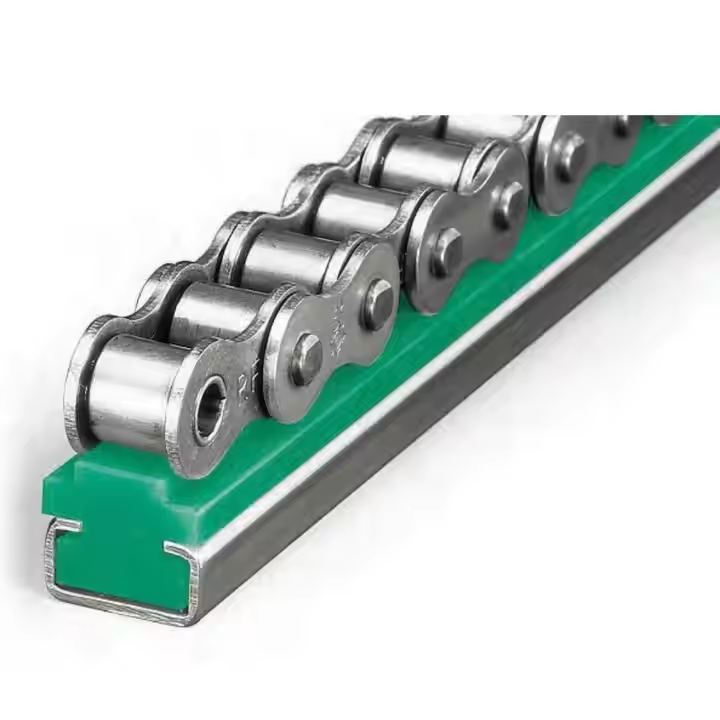
As operating speed increases, the forces acting on a chain system grow exponentially. Centrifugal effects, rapid acceleration, and frequent directional changes can cause uncontrolled chain movement if proper guidance is not in place. In high-speed environments, even slight misalignment can lead to chain derailment, excessive noise, or sudden mechanical shock. This makes chain guides for roller chain an essential design element rather than a secondary consideration.
Standard guiding methods often fail to manage the dynamic loads generated at high speed. Chain guides for roller chain designed specifically for these conditions provide continuous support along the chain path, limiting lateral motion and maintaining consistent engagement with sprockets. This level of control is critical for preserving accuracy, safety, and long-term system stability.
How Chain Guides for Roller Chain Control Vibration at High Operating Speeds
Vibration is one of the most common challenges in high-speed chain systems. Without proper control, vibration can cause chain whip, uneven load distribution, and accelerated wear. Chain guides for roller chain help dampen these effects by maintaining steady contact between the chain and the guiding surface throughout operation.
By stabilizing chain movement, chain guides for roller chain reduce impact forces that occur during rapid starts and stops. This results in smoother motion, lower noise levels, and improved operator comfort. In high-speed applications, effective vibration control is not only a performance benefit but also a key factor in preventing premature system failure.
Material Considerations for Chain Guides for Roller Chain in High-Speed Environments
Material selection plays a decisive role in the performance of chain guides for roller chain under high-speed conditions. The guide material must offer low friction to minimize heat generation while maintaining sufficient strength to withstand continuous contact with the moving chain. Poor material choice can lead to rapid wear, deformation, or loss of dimensional stability.
Advanced engineering plastics are commonly used for chain guides for roller chain in high-speed applications due to their excellent wear resistance and self-lubricating properties. These materials also help reduce noise and eliminate the need for external lubrication, which can be difficult to control at high operating speeds. Selecting the right material ensures consistent performance and longer service life.
Design Features That Make Chain Guides for Roller Chain Suitable for High-Speed Use
Precision design is critical when chain speed increases. Chain guides for roller chain used in high-speed systems must feature accurate profiles that match the chain geometry exactly. Any mismatch can create friction points that compromise efficiency and accelerate wear.
Surface finish is another important factor. Smooth, consistent surfaces allow the chain to glide without interruption, reducing resistance and heat buildup. Rigid mounting and tight tolerances further ensure that chain guides for roller chain remain stable during operation, even when exposed to continuous vibration and thermal expansion.
The Role of Chain Guides for Roller Chain in Reducing Wear and Extending Chain Life
High-speed operation naturally increases wear rates, but effective guidance can significantly slow this process. Chain guides for roller chain minimize metal-to-metal contact by providing a controlled sliding surface that absorbs friction and distributes load evenly along the chain path.
By maintaining proper alignment, chain guides for roller chain prevent uneven loading on pins and rollers. This not only extends chain service life but also protects sprockets and other drivetrain components. Over time, reduced wear translates into lower maintenance costs and fewer unexpected shutdowns.
Installation Best Practices for Chain Guides for Roller Chain in High-Speed Systems
Correct installation is essential to realizing the full benefits of chain guides for roller chain. Guides must be mounted securely to prevent movement or deflection under load. In high-speed applications, even minor mounting instability can lead to noise, vibration, and accelerated wear.
Alignment should be verified along the entire chain path, ensuring smooth entry and exit at sprockets. Allowing for thermal expansion is also critical, especially in continuous operation environments. Properly installed chain guides for roller chain provide reliable performance and consistent guidance throughout the system lifecycle.
Common Mistakes When Using Chain Guides for Roller Chain at High Speed
One of the most common mistakes is selecting a guide material that cannot withstand the operating speed or temperature. This often results in rapid degradation and unexpected failure. Another frequent issue is insufficient support length, which leaves sections of the chain vulnerable to vibration and instability.
Improper mounting and misalignment can also negate the benefits of chain guides for roller chain. High-speed systems demand precise installation and regular inspection. Avoiding these common errors helps ensure safe, efficient, and long-lasting operation.
Maintenance Strategies for Chain Guides for Roller Chain in High-Speed Applications
Although chain guides for roller chain are designed for durability, regular inspection remains essential in high-speed systems. Visual checks for wear, deformation, or surface damage can identify issues before they affect performance.
Cleaning the guide surface to remove debris helps maintain low friction and smooth movement. Monitoring noise and vibration levels can also provide early warning signs of guide or chain issues. Consistent maintenance ensures that chain guides for roller chain continue to perform reliably under demanding conditions.
Industry Applications That Rely on Chain Guides for Roller Chain at High Speed
High-speed conveyor systems in packaging and logistics operations rely heavily on precise chain guidance to maintain throughput and accuracy. Automated assembly lines also depend on chain guides for roller chain to ensure synchronized motion and repeatable positioning.
Food processing and pharmaceutical equipment benefit from the low-noise and low-maintenance characteristics of properly designed guides. In each of these industries, high-speed performance demands consistent, reliable guidance that only well-designed chain guides for roller chain can provide.
How to Choose the Right Chain Guides for Roller Chain for Your High-Speed Application
Selecting the right solution begins with understanding operating speed, load conditions, and environmental factors. Chain guides for roller chain should be chosen based on their speed rating, material performance, and compatibility with the existing chain system.
Evaluating installation space and maintenance requirements also plays a key role. By carefully matching guide design to application demands, users can achieve optimal performance and long-term reliability in high-speed systems.
Future Trends in Chain Guides for Roller Chain for High-Speed Machinery
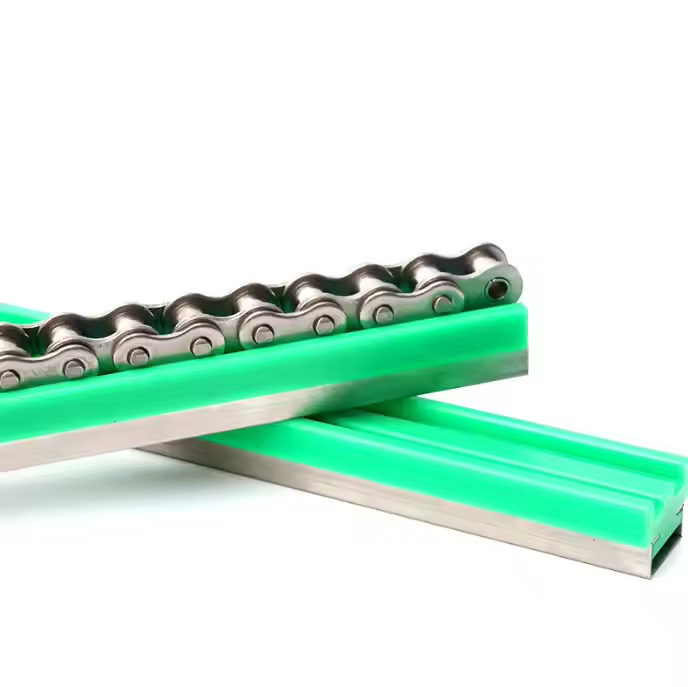
As industrial systems continue to evolve, chain guides for roller chain are benefiting from advances in material science and precision manufacturing. New polymer formulations offer improved wear resistance and thermal stability, making them ideal for increasingly fast and demanding applications.
Design innovations focused on noise reduction and energy efficiency are also shaping the future of high-speed chain guidance. These developments allow manufacturers to push speed limits while maintaining reliability and safety.
Maximizing Performance with the Right Chain Guides for Roller Chain
High-speed applications place extraordinary demands on chain systems, making effective guidance a necessity rather than a luxury. Chain guides for roller chain provide the stability, wear protection, and vibration control required to operate safely and efficiently at elevated speeds.
By selecting the appropriate material, design, and installation approach, businesses can significantly improve system performance and reduce long-term costs. Understanding what you need to know about chain guides for roller chain in high-speed applications is the first step toward achieving reliable, high-performance operation.