
- December 22, 2025
- Posted by: feinuojixie
- Category: Chain Guides News
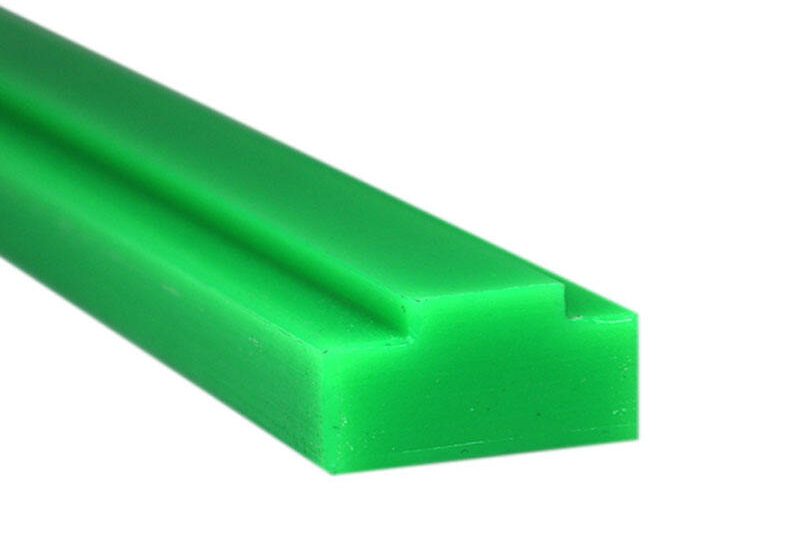
In modern industrial systems, smooth and reliable chain movement is critical for maintaining productivity and minimizing mechanical failure. As production lines become faster and more automated, the choice between chain guides for roller chain and traditional support has a growing impact on performance, cost control, and equipment lifespan. Understanding how these two solutions differ helps engineers and maintenance teams make smarter decisions that align with long-term operational goals.
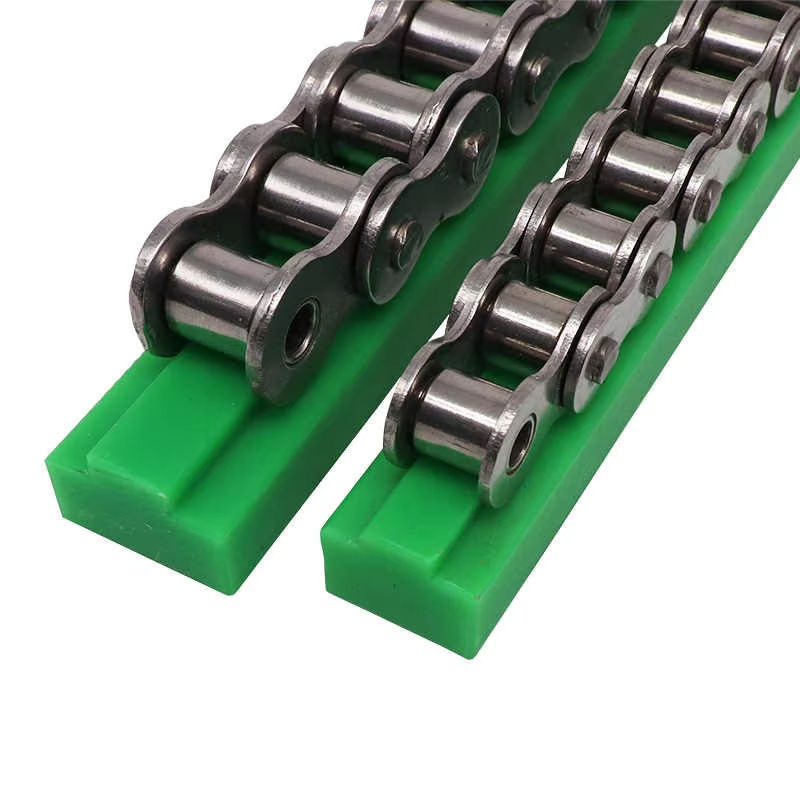
Understanding Chain Guides for Roller Chain: Purpose and Core Function
A chain guide for roller chain is a specially engineered component designed to control movement, maintain alignment, and reduce friction during operation. Unlike basic support surfaces, a chain guide for roller chain provides a defined path that stabilizes motion and prevents lateral deviation. This targeted design allows the chain to run smoothly even under continuous load, high speed, or complex routing conditions.
What Are Traditional Support Systems in Roller Chain Applications
Traditional support systems typically rely on metal rails, flat surfaces, or structural frames to hold the chain in place. These methods were widely used before specialized chain guide for roller chain solutions became common. While traditional support can carry load, it often lacks precision control and does not actively manage vibration, friction, or alignment during operation.
Design Differences Between Chain Guides for Roller Chain and Traditional Support
The fundamental difference lies in purpose-driven engineering. A chain guide for roller chain is designed specifically to match chain geometry, contact points, and motion behavior. Traditional support, by contrast, is often adapted from general structural components. This difference in design philosophy leads to major performance gaps, especially in demanding industrial environments.
Performance Comparison: Stability and Motion Control
When it comes to stability, a chain guide for roller chain delivers consistent and predictable motion. It prevents side movement, reduces chain whip, and supports controlled engagement with sprockets. Traditional support may allow excessive movement, which can result in misalignment and uneven load distribution over time.
Wear and Friction: Which Option Protects Equipment Better
Excessive friction accelerates wear on both the chain and the supporting structure. A chain guide for roller chain is typically manufactured from low-friction material that reduces surface abrasion and heat generation. Traditional support systems, especially metal-on-metal contact, often increase wear and shorten service life.
Noise Reduction and Operational Comfort
Noise is a common issue in chain-driven systems. A chain guide for roller chain absorbs vibration and dampens sound during operation, creating a quieter working environment. Traditional support tends to transmit vibration directly through the structure, increasing operational noise and discomfort.
Maintenance Requirements and Downtime Impact
Maintenance efficiency is another key differentiator. A chain guide for roller chain requires less frequent adjustment and replacement due to its wear-resistant design. Traditional support often demands regular inspection and corrective maintenance, increasing downtime and labor cost.
Cost Evaluation: Short-Term Savings vs. Long-Term Value
While traditional support may appear more economical initially, the long-term cost often tells a different story. A chain guide for roller chain reduces wear-related failure, lowers maintenance frequency, and extends system lifespan. Over time, these advantages translate into measurable cost savings.
Application Scenarios: When Chain Guides for Roller Chain Clearly Outperform
In automated production lines, packaging systems, and material handling equipment, a chain guide for roller chain consistently outperforms traditional support. These environments demand precise motion, low noise, and minimal downtime, all of which favor guided solutions.
Limitations of Traditional Support Systems in Modern Production
As production demands increase, traditional support struggles to meet expectations. Higher speeds, tighter tolerances, and continuous operation expose the limitations of unmanaged chain movement and increased wear.
How to Choose the Right Chain Guide for Roller Chain for Your System
Selecting the correct chain guide for roller chain requires evaluating load capacity, operating speed, temperature exposure, and environmental conditions. Choosing the right material and profile ensures optimal performance and long-term reliability.
Final Verdict: Which Performs Better and Why
When comparing overall performance, chain guide for roller chain clearly outperforms traditional support in stability, durability, noise reduction, and lifecycle cost. While traditional support may still serve basic applications, modern industrial systems benefit significantly from the precision and reliability offered by a dedicated chain guide for roller chain.