
- December 31, 2025
- Posted by: feinuojixie
- Category: Chain Guides News
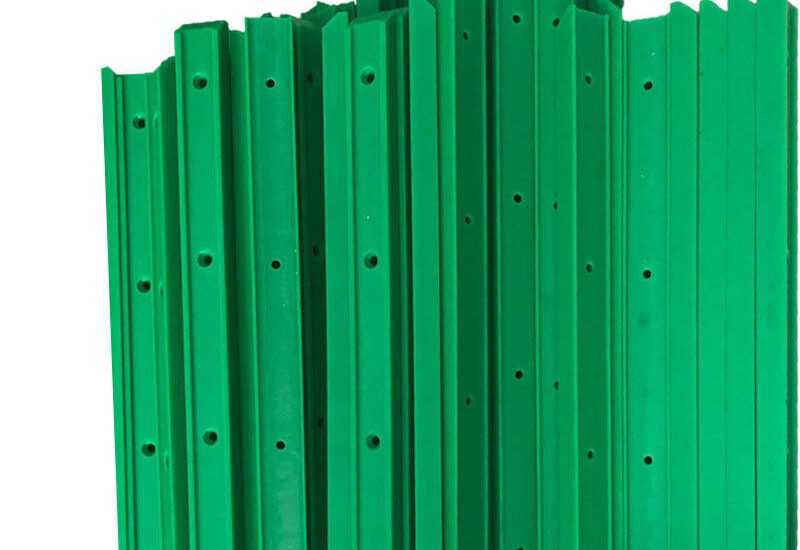
In modern conveyor and power transmission systems, efficiency, reliability, and longevity are no longer optional goals. As production lines become faster and more automated, every component must perform consistently under demanding conditions. Among these components, chain guides for roller chain play a critical role in ensuring smooth operation and protecting the system from premature failure. While standard solutions may appear sufficient at first glance, the performance gap between standard and premium options becomes increasingly apparent over time.
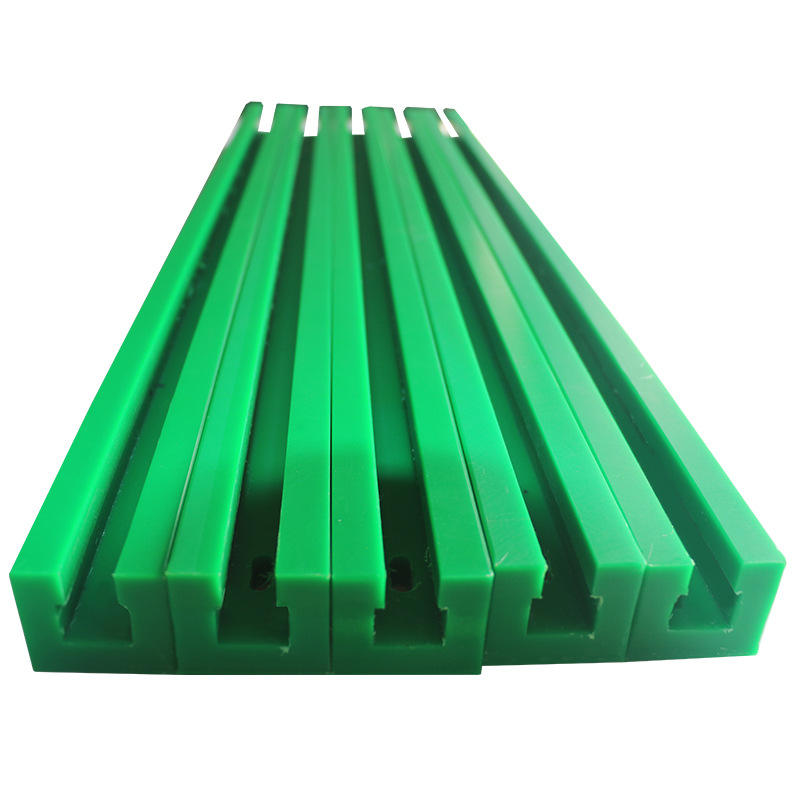
Understanding the Core Function of Chain Guides for Roller Chain
At their core, chain guides for roller chain are designed to control chain movement, maintain alignment, and minimize friction between the chain and surrounding structures. By guiding the chain along a defined path, they help reduce lateral movement, prevent derailment, and limit metal-to-metal contact. This guidance not only supports smoother motion but also protects sprockets, chains, and frames from excessive wear.
Defining Standard Chain Guides for Roller Chain in Industrial Applications
Standard chain guides for roller chain are typically engineered to meet basic operational requirements. They are often produced using conventional materials and generalized dimensions that suit a wide range of applications. These solutions are commonly used in low-speed, low-load environments where operating conditions remain stable and predictable. While they fulfill fundamental guidance needs, they are not always optimized for performance extremes or long-term durability.
Material Quality as a Key Divider in Chain Guides for Roller Chain
Material selection is one of the most significant factors separating standard from premium chain guides for roller chain. Standard options often rely on general-purpose plastics that provide acceptable performance under mild conditions. Premium solutions, however, use advanced polymers engineered for high wear resistance, low friction, and chemical stability. These materials maintain their properties under continuous load, temperature variation, and exposure to contaminants.
Design Precision and Tolerance Control in Premium Chain Guides for Roller Chain
Beyond materials, design precision plays a crucial role in performance. Premium chain guides for roller chain are manufactured with tighter tolerances and carefully engineered profiles. This precision ensures consistent chain contact, improved tracking accuracy, and reduced energy loss. Standard designs, by contrast, may allow minor misalignment that gradually leads to vibration, noise, and uneven wear.
Performance Under Load and Speed Conditions
As system demands increase, differences in performance become more pronounced. Premium chain guides for roller chain are designed to maintain stability under higher loads and faster speeds. Their optimized geometry distributes forces more evenly, preventing localized stress and deformation. Standard solutions may struggle in these conditions, leading to accelerated wear or reduced operational efficiency.
Noise Reduction and Vibration Control Capabilities
Noise and vibration are common indicators of inefficiency within a mechanical system. Premium chain guides for roller chain incorporate features that dampen vibration and reduce operational noise. Smooth surfaces, consistent material density, and precise alignment all contribute to quieter operation. Standard options may function adequately but often lack the refinement needed to control noise in sensitive environments.
Wear Life and Maintenance Frequency Comparison
One of the most practical distinctions between standard and premium chain guides for roller chain lies in wear life. Premium solutions are designed for extended service intervals, maintaining dimensional stability and surface integrity over time. This durability reduces the frequency of inspections, adjustments, and replacements. Standard solutions typically require more frequent maintenance, increasing downtime and labor costs.
Customization and Application-Specific Engineering
Premium chain guides for roller chain are often supported by application-specific engineering services. This includes custom profiles, tailored materials, and design adjustments based on load, speed, and environmental conditions. Standard options generally offer limited flexibility, which can force compromises in system design or performance.
Installation Accuracy and System Integration Benefits
Ease of installation and integration is another area where premium solutions excel. Precisely manufactured chain guides for roller chain fit more accurately within the system, reducing alignment errors during installation. This accuracy shortens setup time and helps ensure consistent performance from the first day of operation.
Cost Evaluation Beyond Initial Purchase Price
While standard chain guides for roller chain may offer a lower upfront cost, premium solutions often deliver greater value over time. Longer service life, reduced maintenance, lower energy consumption, and minimized downtime all contribute to a lower total cost of ownership. Evaluating cost from this broader perspective reveals why premium options are frequently the more economical choice in demanding applications.
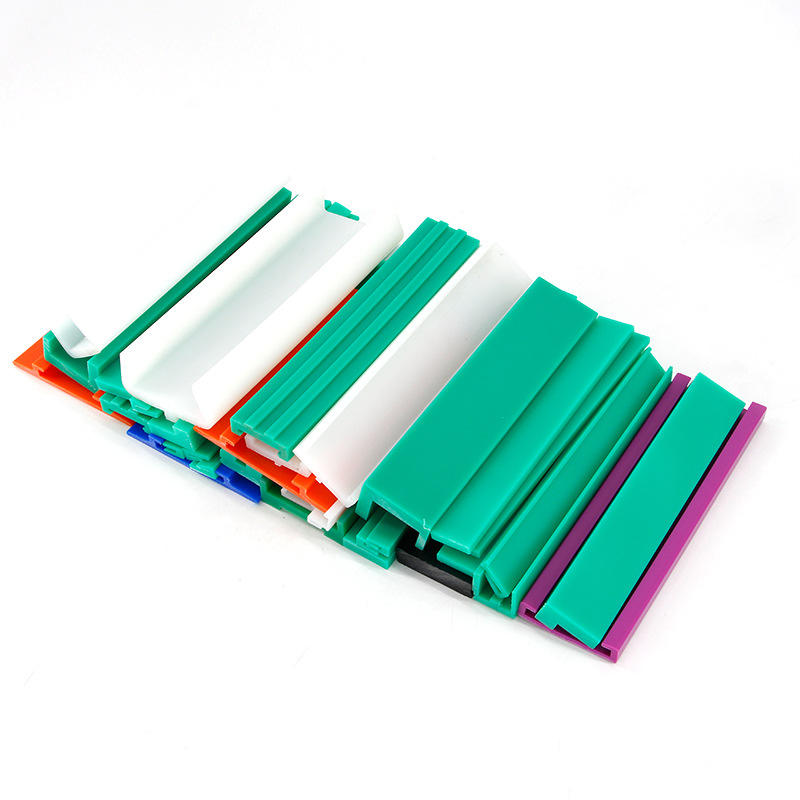
Selecting the Right Chain Guides for Roller Chain Based on Application Needs
Choosing the appropriate solution requires a clear understanding of operating conditions and performance priorities. Applications with low loads and minimal run time may function well with standard chain guides for roller chain. Systems that operate continuously, handle heavy loads, or demand high precision benefit significantly from premium solutions designed to meet these challenges.
Investing in the Right Chain Guides for Roller Chain for Long-Term Performance
The difference between standard and premium chain guides for roller chain extends far beyond appearance or price. Material quality, design precision, performance under stress, and long-term reliability all define the true value of a guiding solution. By recognizing these distinctions and selecting the appropriate level of quality, manufacturers can achieve smoother operation, reduced maintenance, and sustained efficiency across their entire system lifecycle.