
- July 11, 2025
- Posted by: feinuojixie
- Category: Injection Molding News
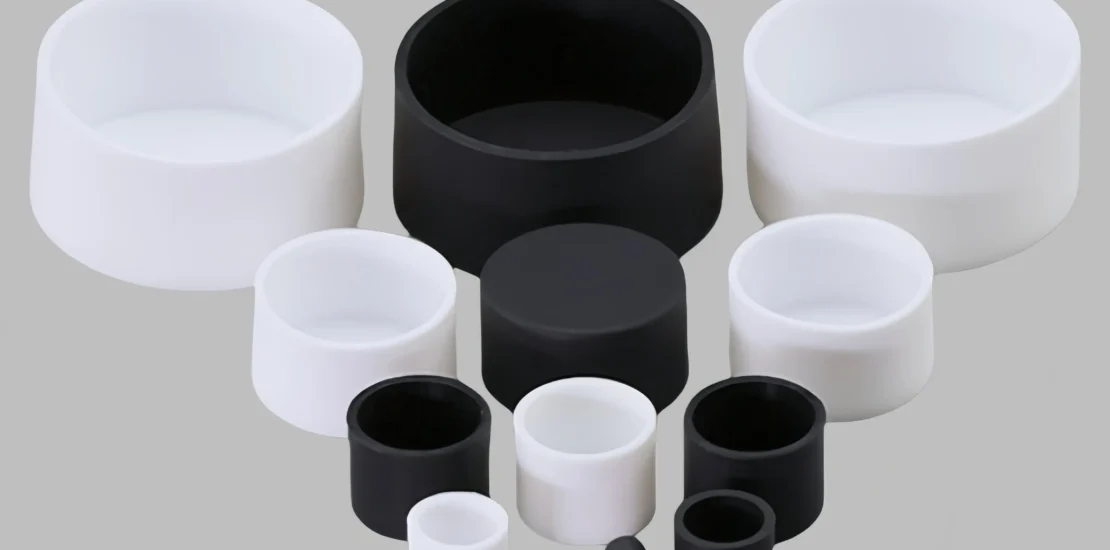
Choosing the right plastic bush manufacturer can be the difference between streamlined efficiency and unexpected downtime in your production line. In an era where machinery performance, precision, and durability define operational success, overlooking the importance of a trusted manufacturing partner can lead to costly consequences. Whether you’re in the automotive sector, industrial machinery, or consumer goods, the selection process should never be rushed.
This comprehensive buyer’s guide is designed to walk you through every aspect of choosing a plastic bush manufacturer—from understanding the technical basics to evaluating supplier credibility and asking the right questions. By the end, you’ll have a clear blueprint to identify a partner that aligns with your engineering standards, business goals, and quality expectations.
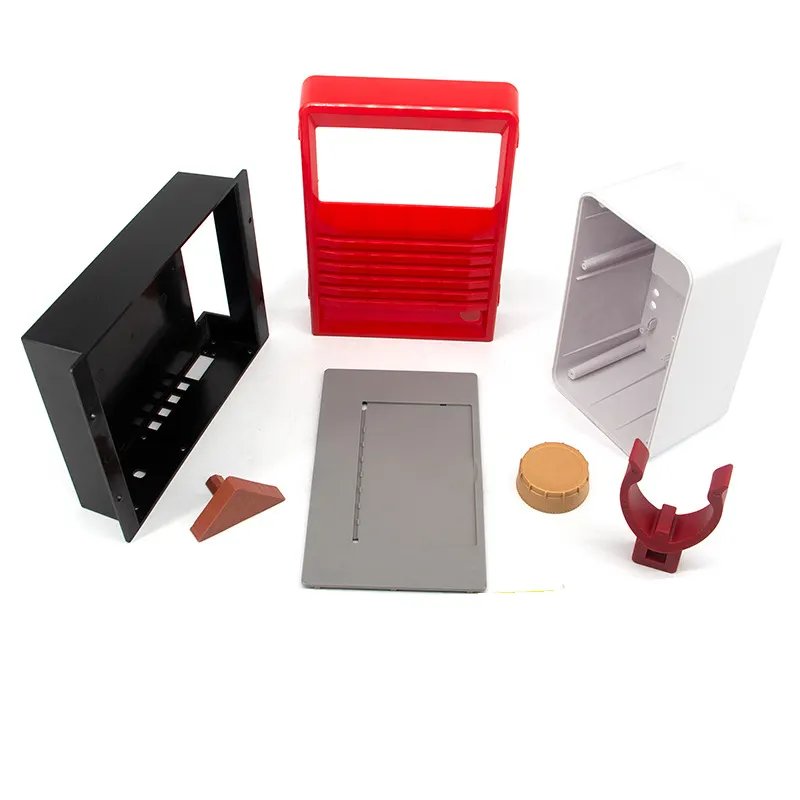
Understanding What a Plastic Bush Is and Why It Matters
A plastic bush is a cylindrical component used to reduce friction and wear between moving parts, typically acting as a spacer, liner, or bearing. Unlike metal counterparts, plastic bushes offer advantages such as lighter weight, resistance to corrosion, and self-lubricating properties that enhance equipment longevity. These features make them an ideal solution for high-performance machinery that requires quiet operation and reduced maintenance. Understanding their function is key to selecting a manufacturer that can meet your specific application needs.
Key Industries That Rely on Plastic Bush Manufacturer Expertise
Plastic bushes are not one-size-fits-all components; they are critical in various industries that demand precision and durability. In the automotive sector, they help reduce vibration and noise. In agricultural equipment, they must endure harsh environmental conditions like dirt and moisture. Medical devices call for biocompatible materials and strict hygiene standards, while consumer electronics require compact, lightweight components. Each of these industries benefits from working with a plastic bush manufacturer that understands their unique demands and can tailor solutions accordingly.
Top Qualities of a Reliable Plastic Bush Manufacturer
A dependable plastic bush manufacturer offers more than just products—they provide engineering insight, consistent quality, and on-time delivery. Look for manufacturers with a proven track record and technical expertise across industries. Certifications like ISO 9001 are strong indicators of quality systems and process control. Other signs of reliability include in-house testing capabilities, transparent communication, and detailed product documentation. These qualities ensure you’re not just buying a part, but investing in a long-term performance solution.
How to Evaluate Material Selection Capabilities
The performance of a plastic bush heavily depends on the materials used. High-grade options such as nylon, PTFE, POM, and PEEK offer different strengths like high-temperature resistance, chemical inertness, or low friction. A top-tier plastic bush manufacturer will guide you through this selection process by understanding your application environment and mechanical requirements. Ask whether they can customize formulations or recommend alternatives based on specific loads, speeds, or exposure to chemicals and moisture.
Customization and Engineering Support
Off-the-shelf components may not always meet the complex demands of modern machinery. That’s why customization is a significant advantage when choosing a plastic bush manufacturer. The best partners offer engineering services like CAD modeling, finite element analysis (FEA), and prototype testing. These services help optimize the bush for load distribution, fit, and operational performance. Manufacturers who are willing to collaborate during the design phase can deliver tailored solutions that reduce future maintenance and increase reliability.
Red Flags to Watch Out for When Vetting Suppliers
Avoiding unreliable manufacturers is just as important as finding the right one. Be cautious of suppliers who provide limited technical information, resist sharing references, or show poor communication during the inquiry process. Lack of investment in quality control systems and an unwillingness to accommodate customization should raise concern. Trustworthy plastic bush manufacturers are transparent, responsive, and willing to back up their claims with real-world case studies or performance data.
Understanding Cost vs. Value When Comparing Manufacturers
It’s easy to be tempted by the lowest quote, but short-term savings can lead to long-term expenses if quality is compromised. A reliable plastic bush manufacturer might not offer the cheapest price, but they’ll deliver better value through product longevity, fewer breakdowns, and reduced maintenance costs. Look for clarity in pricing, including tooling fees, material grades, and shipping terms. Evaluating total cost of ownership helps ensure you’re making a smart investment—not just a cheap purchase.
Questions to Ask Before Making a Final Decision
Before selecting a manufacturer, ask targeted questions to ensure they align with your operational needs:
-
What materials do you specialize in, and do you offer application-specific recommendations?
-
Can you accommodate custom dimensions or designs?
-
What quality assurance processes are in place?
-
What are your typical lead times and production capacities?
-
Do you provide testing or certification reports?
-
How do you handle logistics and post-sale support?
Their answers will reveal how well-prepared they are to be your long-term supplier.
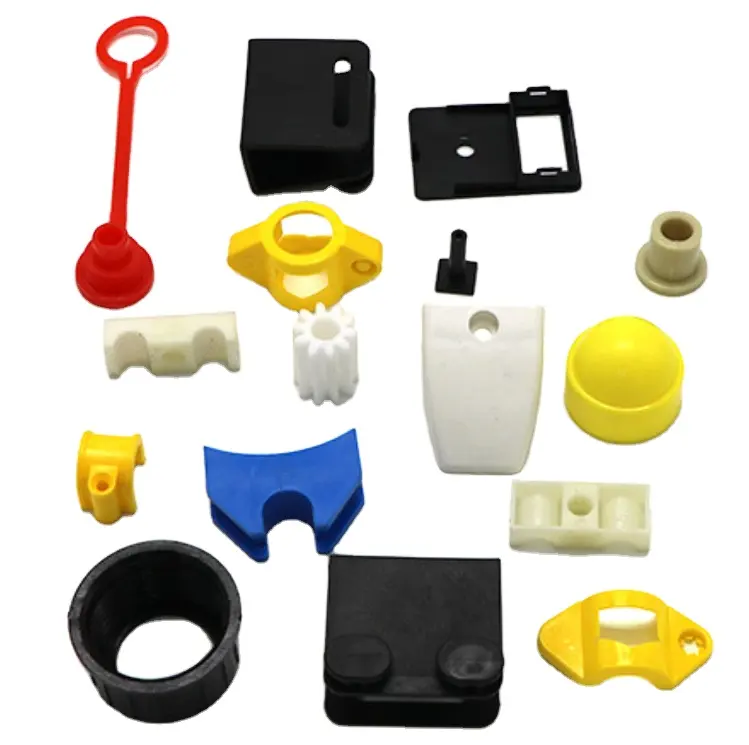
Making a Confident, Informed Choice
Choosing the right plastic bush manufacturer isn’t just about getting parts—it’s about securing the future performance of your machinery. From understanding the materials to evaluating service capabilities, every step in your selection process should be deliberate and informed. The right partner will offer not only durable, high-quality products but also the engineering support and reliability your business needs to thrive. Take the time to research, ask the right questions, and invest in a manufacturer that delivers value far beyond the component itself.