
- October 21, 2025
- Posted by: feinuojixie
- Category: Chain Guides News

In every conveyor or power transmission system, the chain guide plays a critical yet often overlooked role. It ensures that the chain runs smoothly, maintains alignment, and reduces direct contact between the chain and metal surfaces. When a chain guide fails, even a small issue can quickly escalate into a system-wide breakdown, causing unexpected downtime, expensive repairs, and lost productivity. Understanding common chain guide problems—and knowing how to prevent them—is essential for keeping production lines efficient and reliable.
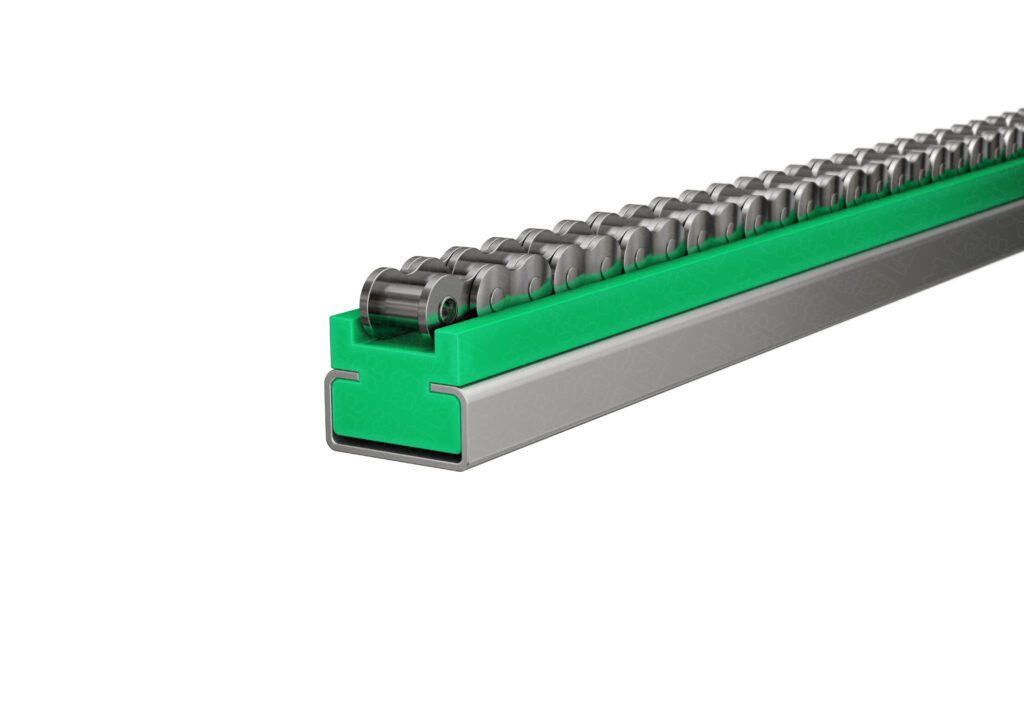
Understanding How Chain Guide Works
A chain guide is designed to support and direct the movement of a chain while reducing friction between the chain and the conveyor frame. By maintaining the chain’s correct path, the guide ensures consistent tension, quiet operation, and minimal wear. Most chain guides are made from low-friction materials such as UHMW or nylon, which help to extend the lifespan of both the chain and the guide itself. When properly installed and maintained, a chain guide acts as a silent protector of your equipment’s efficiency.
Common Chain Guide Problems That Cause Downtime
Excessive Wear on the Chain Guide Surface
One of the most frequent issues seen in chain systems is surface wear on the chain guide. This wear often results from contamination by dust, debris, or metal shavings that increase friction. Poor lubrication or using the wrong guide material can accelerate the process. Once the surface wears unevenly, the chain loses stability, increasing vibration and friction, which may eventually halt production. Regular cleaning and choosing a suitable wear-resistant material can greatly reduce this problem.
Misalignment Between Chain and Guide Track
When a chain is not perfectly aligned with its guide track, it experiences uneven load distribution. This causes premature wear on both the chain and the guide, and can even result in the chain jumping off track. Misalignment typically occurs due to improper installation, vibration from other machinery, or thermal expansion in high-temperature environments. Periodic alignment checks and precision installation can prevent this issue before it escalates.
Chain Guide Material Degradation
Many chain guides are exposed to harsh operating conditions—chemicals, extreme temperatures, or UV radiation. Over time, these factors can cause material degradation such as cracking, softening, or discoloration. Once the structural integrity of the chain guide weakens, it can no longer properly support the chain. Choosing a material that matches your application environment—like UHMW for chemical resistance or PTFE for high temperatures—ensures a longer service life.
Noise and Vibration from Faulty Chain Guide
Increased noise or vibration is a clear sign that something is wrong with the chain guide. This could be due to uneven wear, loose fasteners, or incorrect chain tension. Left unchecked, vibration not only damages the chain guide but also stresses the entire conveyor structure. Regular tightening of fasteners and inspection for smooth operation can help maintain quiet and stable performance.
Chain Guide Breakage or Cracking
Breakage typically occurs when the guide experiences excessive mechanical load or sudden impact. It may also result from using low-quality or brittle materials. Once a crack develops, it can spread quickly and cause a total guide failure. Installing protective guards, avoiding overload, and selecting durable materials can effectively prevent such costly damage.
How to Identify Early Warning Signs of Chain Guide Problems
Detecting early signs of chain guide issues can save both time and money. Operators should pay attention to unusual noises, visible wear marks, or changes in chain motion. An increase in operating temperature around the guide area is another sign of excessive friction. Scheduled visual inspections, combined with infrared temperature checks, can help identify potential problems before they interrupt production.
Preventing Costly Downtime: Maintenance and Design Best Practices
Choose the Right Chain Guide Material
Selecting the right material is the foundation of performance and longevity. UHMW is ideal for most general applications thanks to its excellent wear resistance and low friction. Nylon performs well under moderate loads and offers good impact strength, while PTFE excels in environments with high heat or chemical exposure. Matching the guide material to the specific application environment ensures long-term stability and reduces maintenance frequency.
Ensure Proper Installation and Alignment
A correctly installed chain guide minimizes friction and wear. The guide should maintain consistent clearance between the chain and support structure. Misalignment can create uneven pressure and accelerate surface damage. Always follow the manufacturer’s installation guidelines and periodically verify that all components remain securely aligned.
Implement Routine Inspection and Cleaning
Regular inspection and cleaning prevent buildup of contaminants that can accelerate wear. A simple visual check can identify cracks, uneven wear, or misalignment. Cleaning the guide with non-corrosive agents helps maintain a smooth surface for the chain to travel. Implementing a maintenance schedule ensures issues are caught early, reducing unexpected shutdowns.
Optimize Lubrication and Chain Tension
Proper lubrication plays a crucial role in reducing friction and extending the lifespan of both the chain and guide. Over-lubrication can attract debris, while under-lubrication increases wear. Similarly, maintaining optimal chain tension prevents unnecessary stress on the guide. Regularly checking and adjusting these parameters keeps the system operating smoothly.
Upgrade to Custom-Engineered Chain Guide Solutions
For systems with unique operating conditions or space limitations, a custom-designed chain guide can provide superior performance. Tailored materials, shapes, and mounting options can significantly improve efficiency and reduce downtime. Partnering with an experienced manufacturer ensures that every aspect of the guide fits your system’s specific needs.
When to Replace a Chain Guide
Even with perfect maintenance, every chain guide has a finite lifespan. Replacement becomes necessary when you notice excessive wear, deformation, or persistent noise. Delaying replacement can lead to chain damage and costly equipment failure. Establishing a proactive replacement schedule based on usage hours or inspection results helps avoid unplanned downtime and extends the life of the entire system.
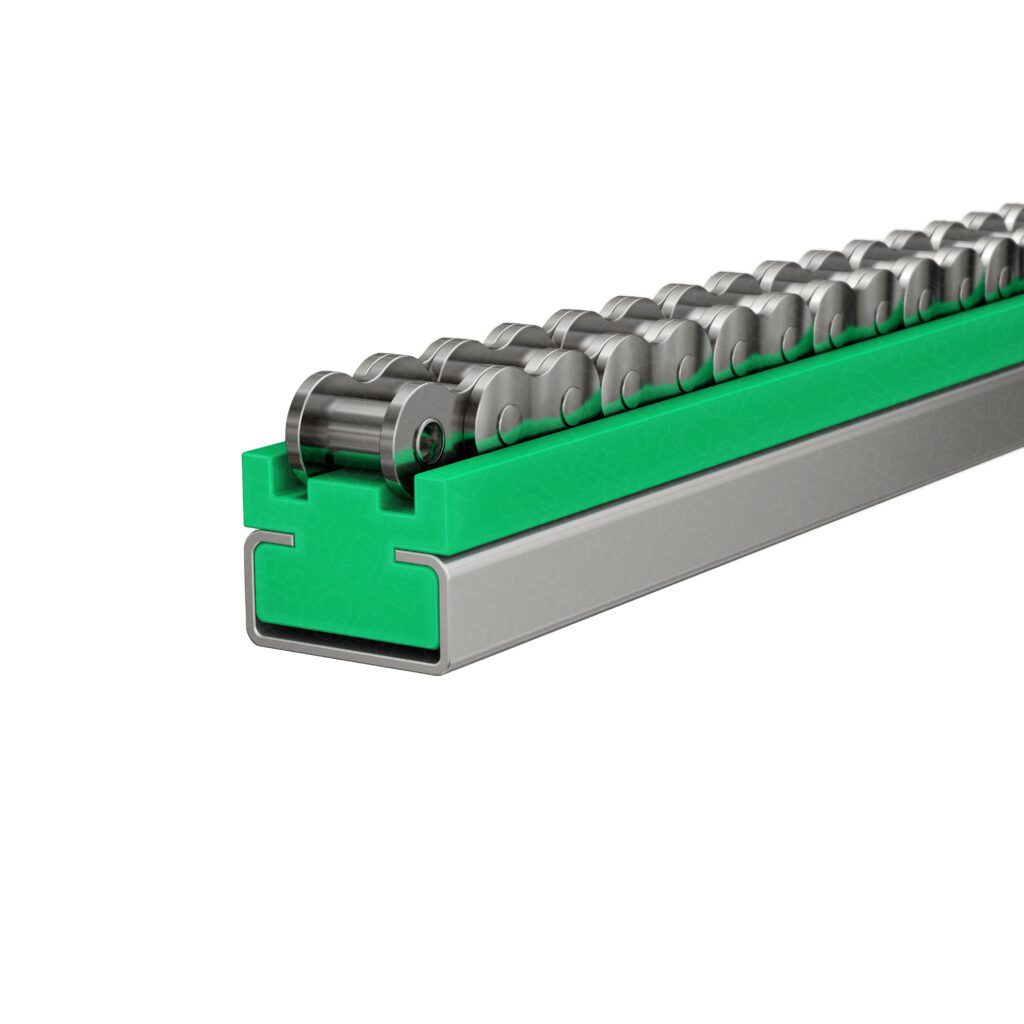
A Well-Maintained Chain Guide Keeps Production Moving
The chain guide may be a small component, but its impact on system reliability is immense. From supporting the chain to minimizing friction and vibration, it ensures that conveyor systems run efficiently. Understanding common chain guide problems and implementing regular maintenance, proper material selection, and timely replacement are the best ways to prevent costly downtime. By giving attention to this critical part, you can keep production lines moving smoothly and maximize your equipment’s performance and longevity.