
- August 21, 2025
- Posted by: feinuojixie
- Category: Chain Guides News
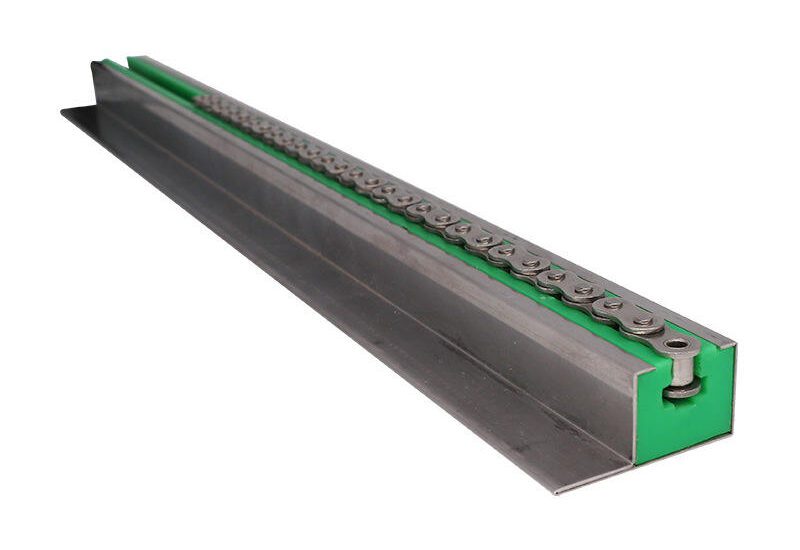
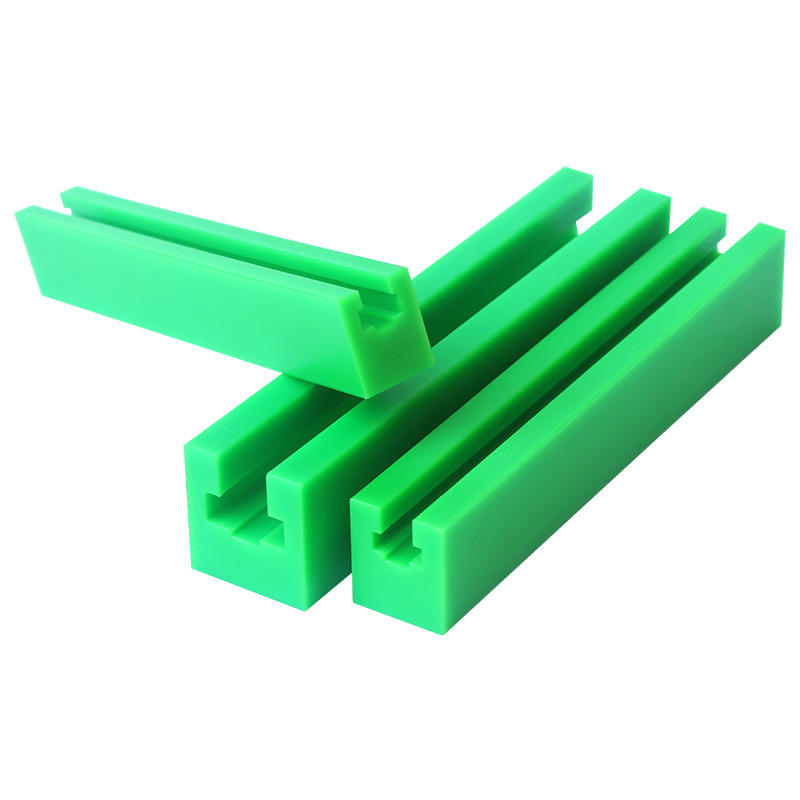
Understanding the Importance of Conveyor Belt Guides
Conveyor belt misalignment is more than just an inconvenience; it can have far-reaching consequences for businesses of all sizes. When a belt misaligns, it can cause uneven wear and tear on the belt, pulleys, and other components, reducing their lifespan and increasing the frequency of replacements. Misaligned belts can also generate excessive friction, leading to heat buildup and potential belt slippage, which can slow down production and affect product quality. In severe cases, belt misalignment can cause the belt to come off the conveyor entirely, resulting in costly downtime and safety risks for workers.
Conveyor belt guides play a crucial role in preventing these issues by providing physical support and guidance to keep the belt centered on the conveyor. By maintaining proper alignment, guides help to distribute the load evenly across the belt, reducing stress and wear on the belt and its components. This not only extends the lifespan of the belt and the conveyor system but also improves overall efficiency and productivity. Additionally, conveyor belt guides can help to prevent belt slippage, ensuring consistent performance and minimizing the risk of product damage or loss.
Types of Conveyor Belt Guides
There are several types of conveyor belt guides available, each designed to address specific alignment challenges and conveyor system requirements. The most common types of guides include side guides, center guides, and roller guides.
Side guides are the simplest and most widely used type of conveyor belt guide. They consist of vertical plates or bars that are mounted on either side of the conveyor, providing a physical barrier to prevent the belt from moving laterally. Side guides are typically made of metal, plastic, or rubber, and can be adjusted to accommodate different belt widths and thicknesses. While side guides are effective at preventing lateral movement, they can also generate friction and wear on the belt, especially if they are not properly aligned or adjusted.
Center guides, also known as tracking guides, are designed to keep the belt centered on the conveyor by applying gentle pressure to the underside of the belt. They typically consist of a series of rollers or wheels that are mounted on a frame or bracket, and are positioned along the length of the conveyor. As the belt moves, the center guides gently nudge it back into place, ensuring that it stays centered on the conveyor. Center guides are particularly effective at preventing belt misalignment caused by uneven loading or conveyor system vibrations, and can help to reduce wear and tear on the belt and its components.
Roller guides are another type of conveyor belt guide that utilize rollers to support and guide the belt. They typically consist of a series of rollers that are mounted on a frame or bracket, and are positioned along the length of the conveyor. As the belt moves, the roller guides support and guide it, reducing friction and minimizing wear. Roller guides are particularly effective at preventing belt misalignment caused by high-speed operation or heavy loads, and can help to improve the efficiency and reliability of the conveyor system.
Key Factors in Choosing the Right Conveyor Belt Guides
Choosing the right conveyor belt guides for your application is essential for ensuring optimal performance and reliability. There are several key factors to consider when selecting guides, including belt type and characteristics, conveyor system configuration, and environmental conditions.
The type and characteristics of the conveyor belt are one of the most important factors to consider when choosing guides. Different belt materials, widths, and thicknesses require specific guide designs for optimal performance. For example, heavy-duty belts used in mining or construction applications may require more robust guides to withstand the high loads and abrasive materials, while lightweight belts used in food processing or packaging applications may require guides that are made of food-grade materials and are easy to clean.
The conveyor system configuration is another important factor to consider when choosing guides. The layout, speed, and load capacity of the conveyor system will determine the type and number of guides required, as well as their placement and adjustment. For example, a conveyor system with a sharp curve or incline may require additional guides to prevent the belt from slipping or misaligning, while a high-speed conveyor system may require guides that are designed to reduce friction and minimize wear.
Environmental conditions can also have a significant impact on the performance and lifespan of conveyor belt guides. Temperature, humidity, dust, and other environmental factors can cause guides to degrade or malfunction over time, so it’s important to choose guides that are made of materials that can withstand these conditions. For example, guides used in outdoor applications may need to be made of corrosion-resistant materials, while guides used in food processing or pharmaceutical applications may need to be made of materials that are easy to clean and sanitize.
Installation and Maintenance of Conveyor Belt Guides
- Follow the manufacturer’s instructions: When installing conveyor belt guides, it’s important to follow the manufacturer’s instructions carefully to ensure proper alignment and tensioning. This will help to prevent belt misalignment and ensure optimal performance.
- Check for proper alignment: After installing the guides, it’s important to check for proper alignment using a straightedge or laser alignment tool. This will help to ensure that the guides are parallel to the conveyor and that the belt is centered on the conveyor.
- Adjust the guides as needed: Over time, the guides may need to be adjusted to maintain proper alignment and tension. This can be done by loosening the mounting bolts and adjusting the position of the guides, or by adjusting the tensioning mechanism.
- Inspect the guides regularly: Regular inspection of the guides is essential for identifying and addressing any issues before they become major problems. Look for signs of wear, damage, or misalignment, and replace any worn or damaged components as needed.
- Lubricate the guides as needed: Some types of conveyor belt guides may require lubrication to reduce friction and minimize wear. Follow the manufacturer’s recommendations for lubrication frequency and type.
Real-World Applications and Success Stories
- Food Processing: In a food processing plant, conveyor belt guides were installed to prevent the belt from misaligning and causing product damage. The guides were made of food-grade materials and were easy to clean, ensuring compliance with food safety regulations. As a result, the plant was able to reduce product waste and improve productivity.
- Mining: In a mining operation, conveyor belt guides were installed to prevent the belt from slipping and causing downtime. The guides were made of heavy-duty materials and were designed to withstand the harsh conditions of the mining environment. As a result, the operation was able to increase uptime and reduce maintenance costs.
- Logistics: In a logistics center, conveyor belt guides were installed to improve the accuracy and efficiency of package sorting. The guides were designed to keep the packages centered on the conveyor, reducing the risk of misalignment and damage. As a result, the center was able to increase throughput and improve customer satisfaction.

Best Practices for Preventing Belt Misalignment
- Proper belt tracking: Regularly check the belt tracking to ensure that the belt is centered on the conveyor. Adjust the belt tension and alignment as needed to prevent misalignment.
- Regular belt inspections: Inspect the belt regularly for signs of wear, damage, or misalignment. Replace any worn or damaged components as needed to prevent further damage.
- Timely replacement of worn or damaged components: Replace any worn or damaged components, such as pulleys, idlers, or bearings, as soon as possible to prevent belt misalignment and ensure optimal performance.
- Operator training and awareness: Train operators on proper conveyor belt operation and maintenance procedures, including how to identify and address early signs of misalignment. Encourage operators to report any issues or concerns immediately.
- Continuous improvement: Regularly review and optimize the conveyor system performance, and implement innovative solutions to prevent belt misalignment and improve efficiency.