
- August 25, 2025
- Posted by: feinuojixie
- Category: Chain Guides News
No Comments
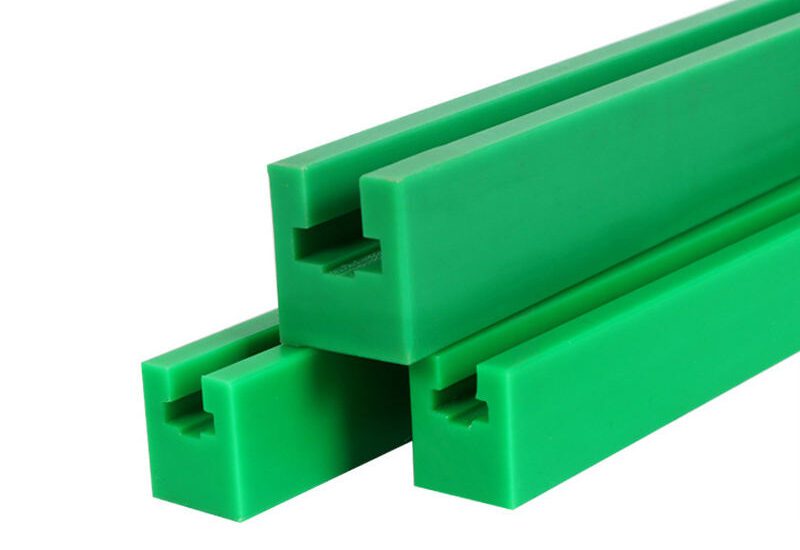
In the dynamic realm of industrial machinery and equipment, the pursuit of stable performance is a constant endeavor. Chain roller guides, often overlooked yet crucial components, play a pivotal role in ensuring smooth and reliable operations. This blog post aims to delve deep into the world of chain roller guides, exploring their functionality, benefits, and diverse applications, to help you unlock the full potential of stable performance.
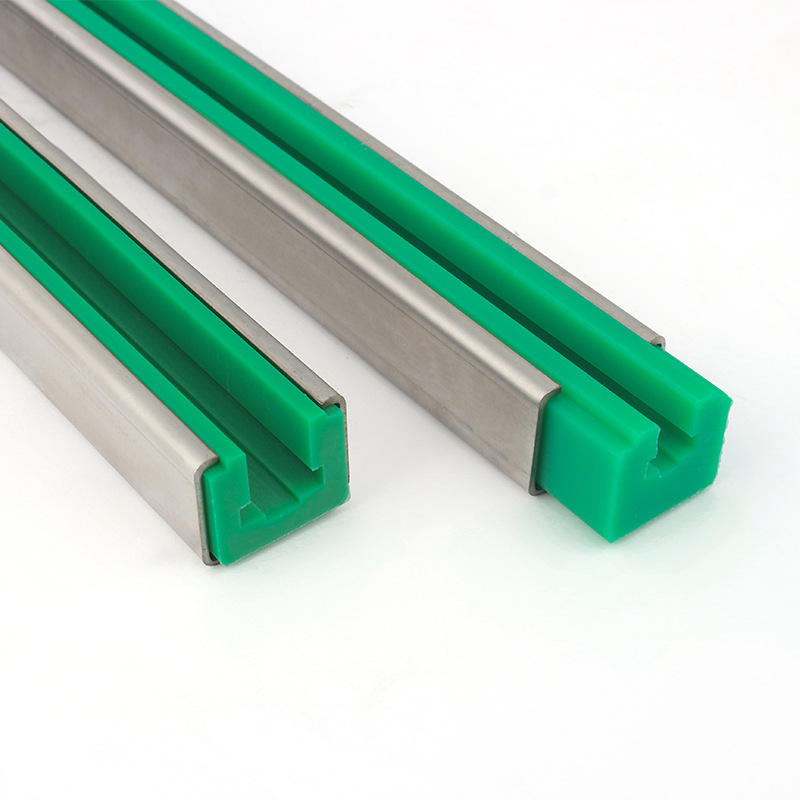
What Are Chain Roller Guides?
Chain roller guides are specialized components designed to support and guide chains in various mechanical systems. They consist of a series of rollers mounted on a track or frame, providing a low-friction surface for the chain to glide along. These guides are engineered to withstand high loads, reduce wear and tear on the chain, and maintain precise alignment, ensuring optimal performance and longevity of the chain-driven system.
The Mechanics Behind Chain Roller Guides
At the heart of chain roller guides lies a sophisticated design that combines precision engineering with robust materials. The rollers are typically made from high-quality materials such as steel, nylon, or polyurethane, chosen for their durability, wear resistance, and low coefficient of friction. The track or frame is constructed from sturdy materials like aluminum or stainless steel, providing a stable and rigid support structure for the rollers. The rollers are strategically positioned along the track to evenly distribute the load and minimize friction, allowing the chain to move smoothly and efficiently.
Key Benefits of Chain Roller Guides
Enhanced Stability and Precision
One of the primary advantages of chain roller guides is their ability to enhance stability and precision in chain-driven systems. By providing a consistent and controlled path for the chain, these guides prevent chain slippage, misalignment, and vibrations, ensuring smooth and accurate operation. This stability is particularly crucial in applications where precise positioning and movement are required, such as in conveyor systems, packaging machinery, and automation equipment.
Reduced Wear and Tear
Chain roller guides significantly reduce wear and tear on chains by minimizing friction and abrasion. The low-friction surface of the rollers allows the chain to glide smoothly, reducing the stress and strain on the chain links and pins. This results in longer chain life, reduced maintenance costs, and improved overall system reliability. Additionally, the guides help to prevent premature chain failure by protecting the chain from damage caused by contact with other components or debris.
Increased Efficiency and Productivity
By ensuring smooth and efficient chain movement, chain roller guides contribute to increased efficiency and productivity in industrial operations. The reduced friction and wear on the chain result in lower energy consumption, which can lead to significant cost savings over time. Additionally, the enhanced stability and precision provided by the guides allow for faster and more accurate operation, enabling higher production rates and improved throughput.
Versatility and Adaptability
Chain roller guides are highly versatile components that can be customized to meet the specific requirements of various applications. They are available in a wide range of sizes, configurations, and materials, allowing for easy integration into different mechanical systems. Whether you need to guide a small chain in a delicate electronic device or a heavy-duty chain in a large industrial machine, there is a chain roller guide solution to suit your needs.
Applications of Chain Roller Guides
Conveyor Systems
Conveyor systems are one of the most common applications for chain roller guides. These guides are used to support and guide the chains that drive the conveyor belts, ensuring smooth and reliable operation. By providing a stable and controlled path for the chains, chain roller guides prevent belt slippage, misalignment, and damage, improving the efficiency and productivity of the conveyor system.
Packaging Machinery
In the packaging industry, chain roller guides play a crucial role in ensuring the precise movement and positioning of packaging materials. These guides are used to guide the chains that drive the packaging machines, such as filling machines, sealing machines, and labeling machines. By providing a stable and accurate path for the chains, chain roller guides help to ensure consistent and high-quality packaging, reducing waste and improving production efficiency.
Automation Equipment
Automation equipment, such as robotic arms and pick-and-place machines, rely on chain roller guides for smooth and precise movement. These guides are used to support and guide the chains that drive the actuators and motors of the automation equipment, ensuring accurate and repeatable positioning. By providing a stable and controlled path for the chains, chain roller guides help to improve the performance and reliability of the automation equipment, enabling faster and more efficient production processes.
Material Handling Systems
Material handling systems, such as overhead cranes and hoists, also benefit from the use of chain roller guides. These guides are used to support and guide the chains that lift and move heavy loads, ensuring safe and reliable operation. By providing a stable and controlled path for the chains, chain roller guides help to prevent chain slippage, misalignment, and breakage, reducing the risk of accidents and improving the efficiency of the material handling system.
Choosing the Right Chain Roller Guides
When selecting chain roller guides for your application, several factors need to be considered to ensure optimal performance and reliability. These factors include:
Load Capacity
The load capacity of the chain roller guides should be sufficient to support the weight of the chain and the load it is carrying. It is important to choose guides that are rated for the maximum load that will be applied to the chain to prevent premature failure and ensure safe operation.
Chain Type and Size
The type and size of the chain being used will determine the compatibility of the chain roller guides. It is important to choose guides that are designed to work with the specific chain type and size to ensure proper fit and performance.
Operating Environment
The operating environment, including temperature, humidity, and exposure to chemicals or contaminants, will also affect the selection of chain roller guides. It is important to choose guides that are made from materials that are suitable for the operating environment to ensure durability and reliability.
Installation and Maintenance
The ease of installation and maintenance of the chain roller guides is another important consideration. It is important to choose guides that are easy to install and require minimal maintenance to reduce downtime and maintenance costs.

Harness the Power of Chain Roller Guides for Stable Performance
In conclusion, chain roller guides are essential components for achieving stable performance in a wide range of industrial applications. By providing enhanced stability, reduced wear and tear, increased efficiency, and versatility, these guides play a crucial role in ensuring the smooth and reliable operation of chain-driven systems. When choosing chain roller guides, it is important to consider factors such as load capacity, chain type and size, operating environment, and installation and maintenance to ensure optimal performance and reliability. By harnessing the power of chain roller guides, you can unlock the full potential of stable performance and take your industrial operations to the next level.