
- August 13, 2025
- Posted by: feinuojixie
- Category: Chain Guides News
No Comments

In the dynamic realm of modern workshops, the unsung heroes often lie in the details. Among these, chain guides play a pivotal role in ensuring seamless operations, minimizing wear and tear, and enhancing overall productivity. This blog post is your comprehensive guide to unlocking the potential of high-quality chain guides, offering insights into their significance, types, selection criteria, and maintenance tips.
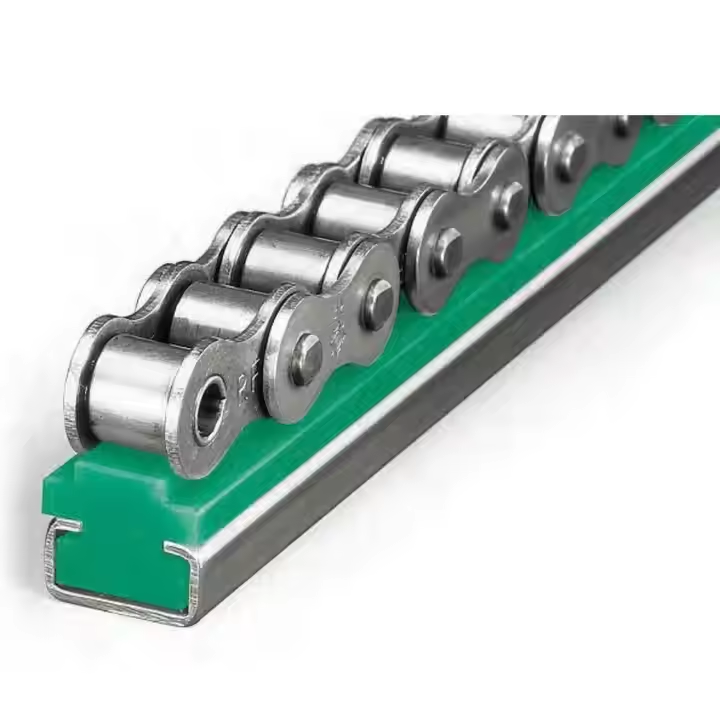
The Backbone of Smooth Operations: Understanding the Role of Chain Guides
- Functionality Unveiled: Explore how chain guides serve as essential components in guiding and supporting chains, preventing slippage, misalignment, and premature failure.
- Impact on Performance: Delve into the direct correlation between well-maintained chain guides and improved equipment efficiency, reduced downtime, and extended lifespan of machinery.
- Versatility in Applications: Highlight the diverse range of industries and machinery that rely on chain guides, from automotive assembly lines to conveyor systems in manufacturing plants.
Navigating the Chain Guide Landscape: Types and Features
- Roller Chain Guides: Examine the design, benefits, and applications of roller chain guides, known for their ability to handle heavy loads and high speeds with minimal friction.
- Slider Chain Guides: Discuss the unique characteristics of slider chain guides, including their self-lubricating properties, suitability for low-speed applications, and cost-effective solutions.
- Adjustable Chain Guides: Explore the advantages of adjustable chain guides, which offer flexibility in accommodating different chain sizes and tensions, ensuring optimal performance across various operating conditions.
- Material Matters: Analyze the impact of material selection on chain guide performance, including the use of high-strength polymers, stainless steel, and composite materials.
The Art of Selection: Key Factors to Consider
- Load Capacity: Understand the importance of matching chain guides to the specific load requirements of your machinery, ensuring reliable performance and preventing premature failure.
- Speed and Acceleration: Evaluate the impact of operating speed and acceleration on chain guide selection, considering factors such as friction, heat generation, and wear resistance.
- Environmental Conditions: Explore the role of environmental factors, such as temperature, humidity, and exposure to chemicals, in determining the most suitable chain guide materials and designs.
- Compatibility and Installation: Consider the compatibility of chain guides with existing machinery and the ease of installation, ensuring a seamless integration process.
Maintenance Made Easy: Tips for Prolonging Chain Guide Lifespan
- Regular Inspection: Establish a routine inspection schedule to identify signs of wear, damage, or misalignment, allowing for timely repairs and replacements.
- Lubrication Best Practices: Learn the proper lubrication techniques for chain guides, including the type of lubricant, application frequency, and amount, to minimize friction and extend lifespan.
- Cleaning and Debris Removal: Emphasize the importance of keeping chain guides clean and free from debris, preventing premature wear and ensuring smooth operation.
- Professional Servicing: Consider the benefits of professional servicing and maintenance, including expert diagnosis, repairs, and upgrades, to optimize chain guide performance and reliability.
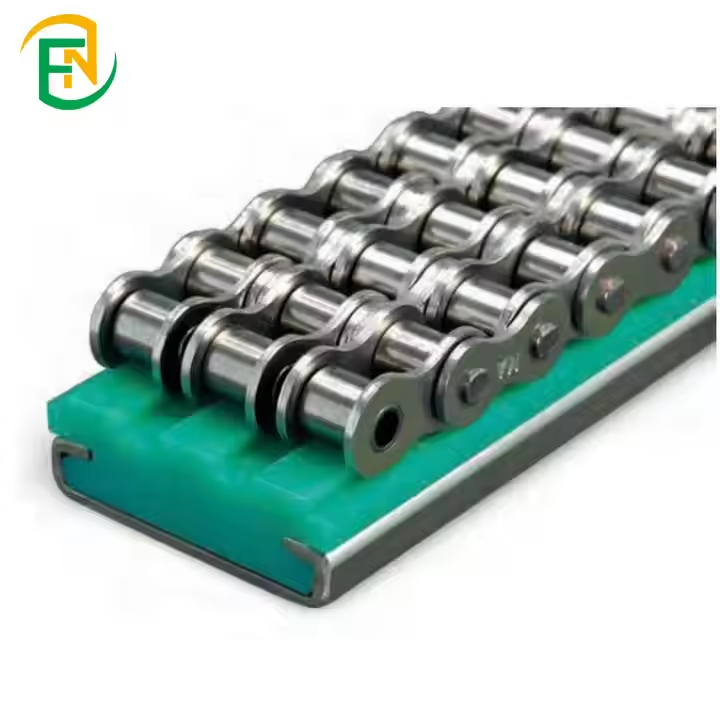
Elevate Your Workshop with High-Quality Chain Guides
In conclusion, investing in high-quality chain guides is a strategic decision that can significantly enhance the performance, efficiency, and longevity of your workshop machinery. By understanding the role, types, selection criteria, and maintenance tips for chain guides, you can make informed choices that align with your specific operational requirements and budget. So, unlock the potential of your workshop today and experience the difference that high-quality chain guides can make!