
- October 10, 2025
- Posted by: feinuojixie
- Category: Chain Guides News

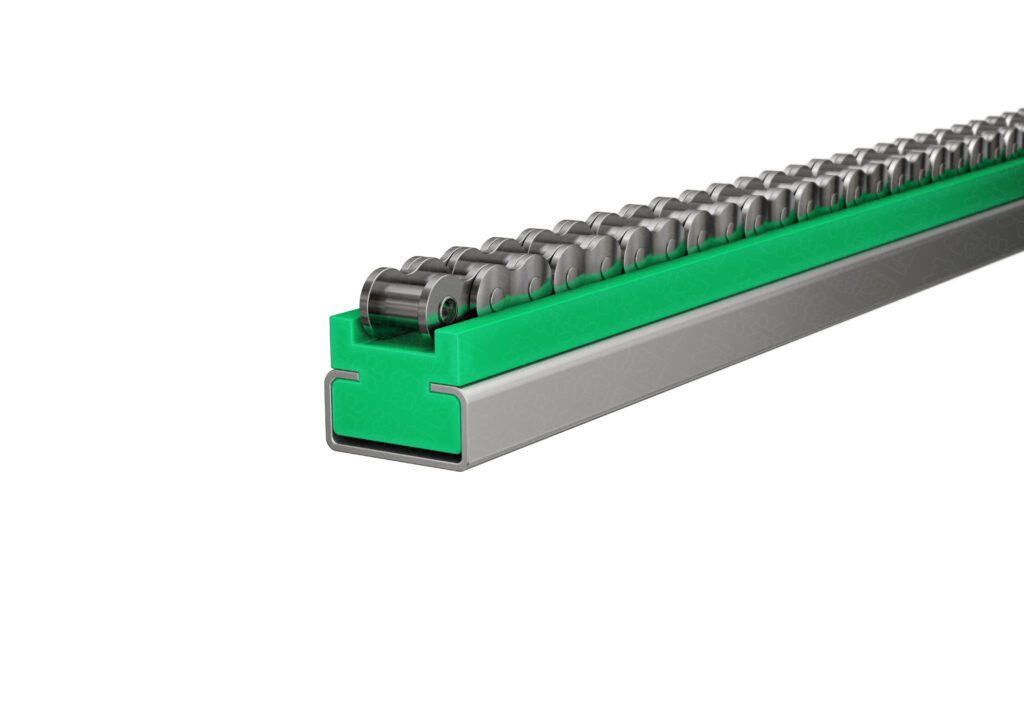
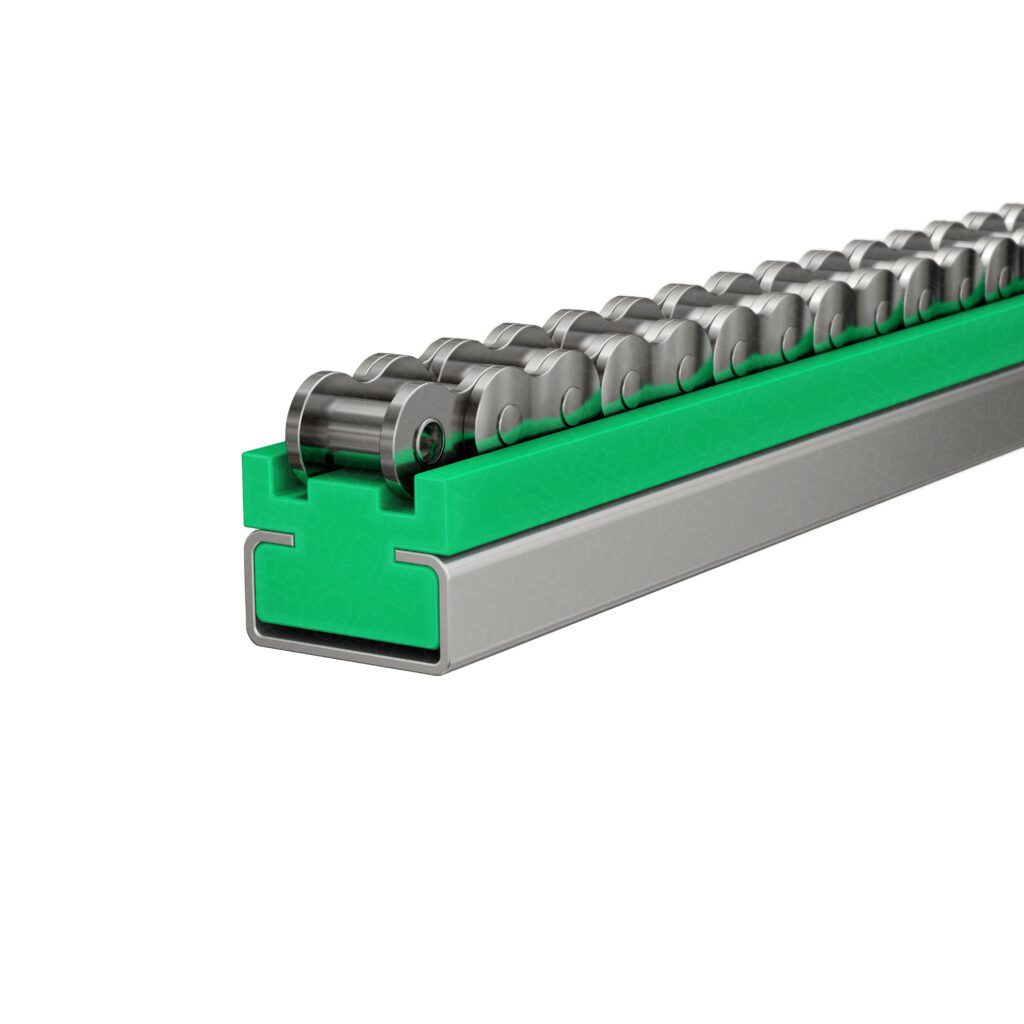
Wear strips, also known as wear liners, are crucial components designed to protect machinery parts from excessive wear and tear. These strips are typically made from materials such as high – carbon steel, alloy steel, or specialized polymers, depending on the application requirements.
In the automotive industry, wear strips can be found in engines, transmissions, and braking systems. For example, in an engine, they help reduce friction between moving parts like pistons and cylinder walls, ensuring smooth operation and extending the engine’s lifespan. In manufacturing plants, conveyor systems rely on wear strips to guide and support the movement of products. They prevent the conveyor belts from rubbing directly against the frame, minimizing damage and maintenance costs. Mining equipment also heavily depends on wear strips. In crushers and screens, these strips endure the abrasive forces of rocks and minerals, protecting the main components from rapid deterioration. By understanding the basic concept and common applications of wear strips, you can better appreciate their importance in various industrial scenarios and how they contribute to the overall efficiency and durability of machinery.
Key Factors to Consider When Choosing
Material Compatibility
Material compatibility is a fundamental aspect when selecting wear strips. Different materials have distinct chemical and physical properties that interact with other components in the system. For instance, metal wear strips, such as those made of steel, are often chosen for high – load applications due to their strength. However, in an environment with acidic substances, steel may corrode over time. In such cases, a more chemically resistant material like certain plastics or specialized alloys might be a better fit. Rubber wear strips are known for their excellent shock – absorption and flexibility, making them suitable for applications where vibration reduction is crucial, like in some automotive suspension components. But rubber may not be compatible with solvents or high – temperature environments. When considering plastic wear strips, factors such as their resistance to abrasion and their ability to withstand the mechanical stresses of the application need to be evaluated in relation to the adjacent materials. By carefully assessing the chemical and physical compatibility of wear strip materials with the surrounding components, you can prevent premature failure due to chemical reactions, mechanical interference, or material degradation.
Durability Requirements
The durability requirements of a project play a significant role in determining the right wear strip. Consider the pressure that the wear strip will endure. In heavy – duty industrial machinery, such as large – scale presses, the wear strips need to withstand extreme pressures without deforming or wearing out too quickly. The number of friction cycles is another crucial factor. For example, in conveyor systems that operate continuously, the wear strips are constantly in contact with the moving parts, and they must be able to handle a high number of friction events over an extended period. The harshness of the operating environment also impacts durability. In mining operations, wear strips are exposed to abrasive particles, high humidity, and large temperature variations. In these conditions, materials with high wear – resistance and stability, like hardened alloys, are more suitable. If a wear strip fails prematurely due to insufficient durability, it can lead to costly downtime for repairs, replacement, and potential damage to other components in the system. Thus, accurately assessing the durability needs of the project is essential for making an optimal choice.
Cost – Benefit Analysis
Cost – benefit analysis is an important consideration when choosing wear strips. The initial procurement cost is the most obvious expense. For example, high – performance wear strips made from advanced materials may have a higher upfront price compared to more standard options. However, this cost must be weighed against the long – term benefits. Installation costs also factor into the equation. Some wear strips may require specialized installation techniques or tools, which can add to the overall expense. Long – term maintenance costs are equally crucial. A wear strip that needs frequent replacement due to low durability may end up being more expensive in the long run, even if it has a lower initial cost. On the other hand, a more expensive but highly durable wear strip may reduce maintenance frequency and costs over time. For instance, in a manufacturing plant with high – volume production, the cost of downtime for replacing a worn – out wear strip can be substantial. In this case, investing in a more durable and reliable wear strip, despite the higher initial cost, can lead to significant savings in the long term by minimizing production disruptions.
Size and Fit Precision
The precision of the wear strip’s size and fit is of utmost importance. A wear strip that is too large or too small can cause a host of problems. If it is too large, it may not fit properly into the designated space, leading to misalignment and increased stress on the surrounding components. This misalignment can cause uneven wear, vibration, and reduced efficiency. For example, in a gear system, an ill – fitting wear strip can disrupt the smooth meshing of the gears, leading to noise, increased friction, and potential gear damage. Conversely, if the wear strip is too small, it may not provide adequate protection to the components it is intended to safeguard. To ensure a perfect fit, accurate measurements of the equipment where the wear strip will be installed are necessary. This may involve using precision measuring tools and following strict manufacturing tolerances. In some cases, custom – made wear strips may be required to achieve the highest level of fit precision, especially for complex or unique equipment designs.
Environmental Conditions
The environmental conditions in which the wear strip will operate have a profound impact on its selection. Temperature is a key factor. In high – temperature environments, such as in furnaces or some engine compartments, materials that can withstand heat without losing their mechanical properties are essential. Metals like nickel – based alloys are often used in such applications due to their high – temperature resistance. In contrast, in extremely cold environments, materials need to maintain their flexibility and strength. Rubber wear strips, for example, may become brittle and lose their effectiveness in very low temperatures. Humidity can also affect wear strip performance. In humid conditions, metal wear strips may be prone to corrosion, while certain polymers may absorb moisture, leading to swelling or degradation. Chemical exposure is another concern. If the wear strip will be in contact with chemicals, such as in chemical processing plants, materials that are resistant to those specific chemicals must be chosen to prevent chemical attack and premature failure. By carefully considering the environmental conditions, you can select a wear strip material that will perform optimally and have a long service life.
Types of Wear Strips and Their Applications
Metal Wear Strips
Metal wear strips are renowned for their high strength and exceptional wear – resistance. They are typically made from materials such as high – carbon steel or alloy steel. High – carbon steel wear strips offer excellent hardness, which allows them to resist abrasion in demanding conditions. Alloy steel, on the other hand, combines the strength of steel with additional elements like chromium, nickel, or molybdenum, enhancing properties such as corrosion resistance and toughness.
These wear strips are well – suited for heavy – duty applications. In the field of heavy machinery, such as construction equipment like bulldozers and excavators, metal wear strips are used in areas where components experience high – stress and abrasive forces. The buckets of excavators, for example, often have metal wear strips on their edges to protect against the constant scraping and impact from rocks and soil. In the automotive manufacturing industry, metal wear strips are found in stamping presses. These presses subject the wear strips to extreme pressure and friction during the metal – stamping process, and the high – strength metal wear strips can endure these conditions, ensuring the smooth operation of the press and the production of high – quality automotive parts.
Rubber Wear Strips
Rubber wear strips possess unique characteristics that make them suitable for specific applications. One of their most notable features is their excellent flexibility. Rubber can bend and deform without breaking, allowing it to conform to irregular surfaces and absorb shocks effectively. This makes rubber wear strips ideal for applications where vibration reduction and shock absorption are crucial.
In elevator systems, rubber wear strips are installed on the elevator 导轨 (guide rails). As the elevator car moves up and down, the rubber wear strips reduce the noise and vibration generated by the contact between the car and the 导轨. They also provide a cushioning effect, ensuring a smooth and comfortable ride for passengers. In the construction of doors and windows, rubber wear strips are used for sealing purposes. They create a tight seal, preventing the entry of air, water, and dust. The flexibility of the rubber allows it to adapt to the movement of the doors and windows, maintaining the seal even when the frames expand or contract due to temperature changes. Additionally, rubber wear strips are resistant to certain chemicals and are often used in applications where there is a risk of chemical exposure, such as in some industrial settings.
Plastic Wear Strips
Plastic wear strips offer several advantages that make them popular in a wide range of applications. One of the main benefits is their low weight. Plastics are significantly lighter than metals, which can be a crucial factor in applications where weight reduction is desired, such as in the aerospace and electronics industries. In electronic devices, plastic wear strips are used to protect delicate components from friction and wear. For example, in the sliding mechanisms of laptop screens or the trays of CD – ROM drives, plastic wear strips ensure smooth movement while minimizing the added weight.
Plastic wear strips are also cost – effective. They are generally less expensive to manufacture compared to metal or some high – performance rubber wear strips. This makes them an attractive option for applications where cost is a major consideration, such as in consumer products and small – scale manufacturing. Additionally, many plastics are highly resistant to corrosion, making them suitable for use in environments with moisture or chemical exposure. In food processing equipment, plastic wear strips are often used because they are non – toxic, easy to clean, and resistant to the acids and alkalis present in food products. In small mechanical devices like toys or office equipment, plastic wear strips can provide the necessary protection against wear at a relatively low cost, contributing to the overall affordability and functionality of the products.
Installation and Maintenance Tips
Proper Installation Methods
Proper installation is the first step to ensure the optimal performance of wear strips. Before installation, carefully read the manufacturer’s instructions. Clean the surface where the wear strip will be installed thoroughly to remove any dirt, debris, or oil. This ensures a strong bond between the wear strip and the equipment.
For metal wear strips, if they are being installed using bolts or screws, use the correct torque settings. Over – tightening can cause the wear strip to warp or the fasteners to break, while under – tightening may lead to the wear strip becoming loose during operation. In some cases, adhesives may be used to secure the wear strip. When using adhesives, make sure to apply an even layer and follow the curing time recommended by the adhesive manufacturer.
If the wear strip is being installed in a complex mechanical system, such as a multi – part conveyor mechanism, install it in the correct sequence. For example, in a conveyor with multiple rollers and guide rails, install the wear strips on the guide rails first to ensure proper alignment before installing other components.
Maintenance Best Practices
Regular maintenance is essential to extend the lifespan of wear strips. Cleaning is a basic maintenance task. For metal wear strips, a simple wipe – down with a clean, dry cloth can remove surface dirt and debris. If there is stubborn grime or corrosion, a mild detergent or a specialized metal cleaner can be used, followed by thorough rinsing and drying to prevent further corrosion. Rubber wear strips should be cleaned with a non – abrasive cleaner to avoid damaging their surface. Avoid using solvents that may degrade the rubber.
Periodic inspections are crucial. Check for signs of wear, such as uneven surfaces, cracks, or thinning of the wear strip. Measure the thickness of the wear strip regularly to determine its remaining lifespan. In high – stress applications, inspections may need to be more frequent. For example, in a mining crusher, daily or weekly inspections may be necessary, while in a less demanding conveyor system in a warehouse, monthly inspections could be sufficient.
Knowing when to replace a wear strip is also important. If the wear strip has reached a critical wear level, as specified by the manufacturer, it should be replaced immediately. This is often indicated by a significant reduction in thickness or when the wear strip starts to affect the performance of the equipment, such as causing excessive vibration or misalignment. Do not wait until the wear strip fails completely, as this can lead to more serious damage to the machinery and costly downtime.
Case Studies: Successful Wear Strip Selection
Case Study 1: Mining Project
In a large – scale mining operation, the conveyor system was a critical part of the ore – handling process. The previous wear strips on the conveyor’s guide rails were made of a standard polymer material. However, due to the harsh environment, which included abrasive rock particles and high humidity, these wear strips were wearing out rapidly. This led to frequent maintenance and replacement, causing significant downtime and increased costs.
After a detailed analysis, the mining company decided to switch to metal wear strips made of a high – strength alloy. These alloy wear strips were highly resistant to abrasion and corrosion. The installation process involved carefully measuring the guide rails to ensure a precise fit. Bolts were used to secure the wear strips, and the torque settings were strictly followed according to the manufacturer’s instructions.
The results were remarkable. The equipment’s efficiency increased significantly as the conveyor system could operate continuously for longer periods. The maintenance costs were reduced by over 50% because the replacement frequency dropped from every few months to once or twice a year. The overall productivity of the mining operation improved as the downtime was minimized, allowing for more ore to be processed within the same time frame.
Case Study 2: Automotive Manufacturing Project
An automotive manufacturing plant was experiencing issues with the stamping presses. The existing wear strips in the presses were not able to withstand the high – pressure and high – friction conditions during the metal – stamping process. This led to inconsistent stamping quality, with some parts having uneven surfaces or defects.
The plant’s engineering team evaluated various options and decided to install high – carbon steel wear strips. These wear strips were custom – made to ensure a perfect fit for the unique design of the stamping presses. The installation required a disassembly of parts of the press to access the areas where the wear strips were to be installed. After cleaning the surfaces thoroughly, the wear strips were bolted into place.
After the installation of the high – carbon steel wear strips, the stamping quality improved dramatically. The defect rate dropped from around 5% to less than 1%. The lifespan of the wear strips increased from a few weeks to several months, reducing the maintenance frequency and associated costs. The plant was able to increase its production output as the presses could operate more efficiently and with fewer interruptions for maintenance, resulting in a more profitable operation.
Frequently Asked Questions about Wear Strips
Q1: How do I know if a wear strip is compatible with my equipment?
To determine wear strip compatibility, start by checking the equipment’s manual. Manufacturers often provide specifications for the type of wear strips suitable for their equipment. Measure the dimensions of the area where the wear strip will be installed, including length, width, and thickness, and compare these measurements with the available wear strips. Consider the material compatibility as well. For example, if the equipment operates in a corrosive environment, a metal wear strip might not be suitable unless it is made of a corrosion – resistant alloy. Also, check the mechanical properties of the wear strip. If the equipment experiences high – speed movements or heavy loads, the wear strip should have sufficient strength and wear – resistance to handle these conditions.
Q2: What is the average lifespan of a wear strip?
The average lifespan of a wear strip depends on several factors. The operating conditions play a major role. In high – stress applications with constant friction, high loads, and abrasive substances, wear strips will generally wear out more quickly. For example, in a mining crusher, the wear strips may only last a few months. The material of the wear strip also affects its lifespan. High – quality, wear – resistant materials like hardened steel or specialized polymers can last much longer than standard materials. Additionally, proper maintenance can significantly extend the lifespan. Regular cleaning, inspection, and timely replacement of worn – out parts can ensure that the wear strip functions optimally for an extended period. It’s difficult to give a specific average lifespan, but with normal usage and proper maintenance, a well – chosen wear strip can last from several months to a few years.
Q3: Can I install a wear strip myself?
In some cases, it is possible to install a wear strip yourself, but it depends on several factors. If the installation process is relatively simple, such as installing a rubber wear strip on a door or window where it only needs to be pressed into place, and you have basic DIY skills, you may be able to handle it. However, for more complex installations, especially in industrial equipment, it is advisable to seek professional help. In heavy – machinery applications, incorrect installation can lead to equipment malfunction, safety hazards, and costly damage. For example, in a large – scale manufacturing machine, misaligned wear strips can cause uneven wear, vibration, and even component failure. Professional installers have the necessary tools, experience, and knowledge to ensure that the wear strip is installed correctly, following the manufacturer’s instructions and safety guidelines.
Conclusion: Making the Right Choice
In conclusion, choosing the right wear strip for your project is not a decision to be taken lightly. The proper wear strip can significantly enhance the performance, durability, and cost – effectiveness of your machinery or equipment. By understanding the basic concept of wear strips, carefully considering key factors such as material compatibility, durability requirements, cost – benefit analysis, size and fit precision, and environmental conditions, you can narrow down the options and make an informed choice.
Moreover, being aware of the different types of wear strips and their applications, following proper installation and maintenance tips, and learning from successful case studies can further guide you in the selection process. Remember, answering common questions about wear strips, such as compatibility, lifespan, and installation, can also provide valuable insights.
So, whether you are working on a large – scale industrial project or a small – scale DIY task, take the time to evaluate your needs and choose the wear strip that best suits your project. With the right choice, you can ensure smooth operations, reduce maintenance costs, and achieve long – term success in your endeavors.