
- October 24, 2025
- Posted by: feinuojixie
- Category: Injection Molding News
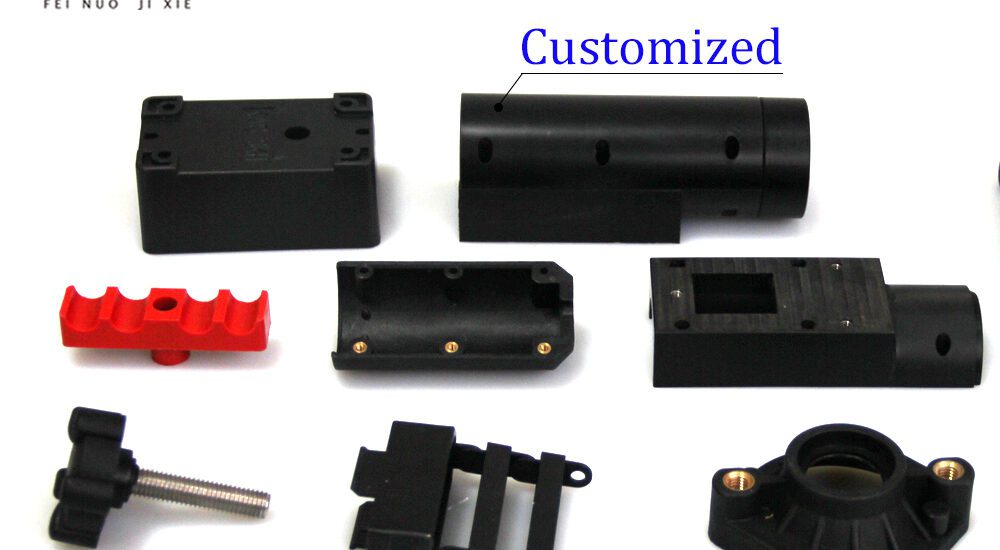
Design is the cornerstone of every successful injection molded part. A well-engineered design not only defines how a product looks but also determines how long it lasts, how efficiently it performs, and how much it costs to produce. In the world of manufacturing, small design improvements can result in huge gains in performance and reliability. By applying design-for-manufacturing (DFM) principles early in the process, engineers can ensure that each part is optimized for production efficiency, material usage, and structural integrity.
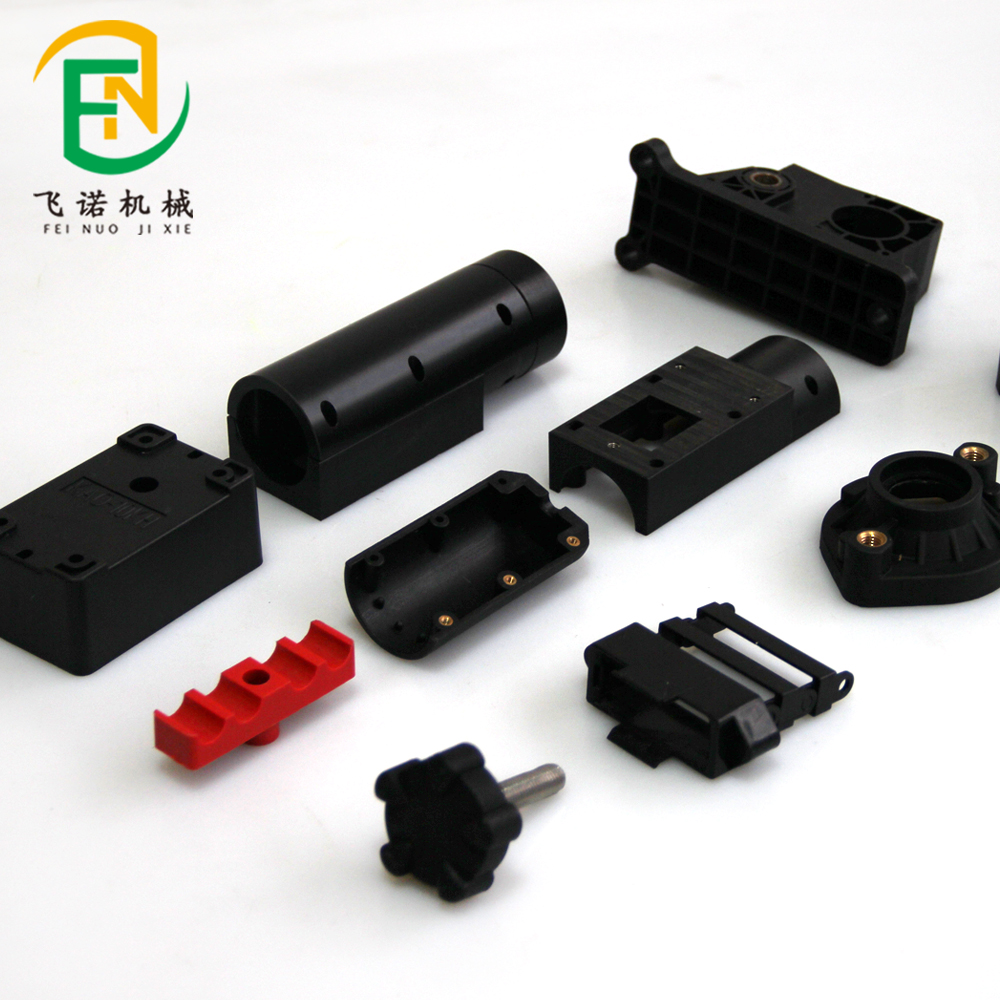
Understanding the Basics of Injection Molded Part Design
To design a successful injection molded part, understanding the process fundamentals is essential. Injection molding involves injecting molten material into a mold cavity, cooling it, and then ejecting the solidified part. Each step affects the final product’s performance and appearance. A strong design considers mold filling patterns, cooling rates, and ejection forces from the beginning. Factors such as draft angles, wall thickness, and gate placement can dramatically influence how efficiently a part is produced and how well it performs under stress. The goal is to balance manufacturability with functionality, ensuring that the part meets both design and production requirements.
Material Selection: The Foundation of a Durable Injection Molded Part
Choosing the right material is one of the most critical decisions in designing an injection molded part. Different plastics offer different mechanical and thermal properties. For example, ABS provides good toughness and dimensional stability, while nylon offers high strength and wear resistance. Engineers must also consider environmental factors such as temperature, humidity, and chemical exposure. In many cases, additives like glass fibers or UV stabilizers can enhance part performance. Selecting the right combination of resin and reinforcement ensures the part remains durable and efficient throughout its lifespan.
Wall Thickness Optimization for Efficiency and Strength
Uniform wall thickness is a golden rule in injection molded part design. Uneven walls can lead to defects like warping, sink marks, or short shots. Designers should aim for consistent thickness throughout the part to promote even cooling and material flow. When variations are unavoidable, transitions should be gradual to prevent stress concentrations. Thinner walls reduce material usage and cycle time, improving efficiency. However, the design must still maintain adequate strength. Striking this balance ensures that the part is lightweight, cost-effective, and structurally sound.
Rib and Boss Design: Reinforcing Injection Molded Part Without Adding Bulk
Ribs and bosses play an important role in strengthening injection molded part without increasing overall material consumption. Properly designed ribs can improve stiffness and reduce flexing while maintaining a low weight. The ideal rib thickness should be around half of the adjoining wall to avoid sink marks. Bosses, often used for fasteners or alignment, should be well-supported with connecting ribs to distribute stress evenly. By optimizing these small features, designers can achieve excellent durability and stability without compromising efficiency or aesthetics.
Draft Angles: Small Details That Make a Big Difference
Draft angles are subtle yet crucial details that facilitate the smooth ejection of an injection molded part from the mold. Without proper draft, parts can stick to the mold surface, causing damage or deformation. A general rule of thumb is to include at least one degree of draft per side for untextured surfaces and more for textured ones. The correct draft angle reduces wear on molds, shortens cycle time, and ensures consistent quality across production runs. It’s a small design choice that has a significant impact on both manufacturing and longevity.
Gate and Runner Placement for Efficient Flow
Efficient gate and runner design ensures uniform filling and minimizes potential defects. The gate is where molten plastic enters the cavity, so its type and location determine how the material flows. A well-placed gate reduces internal stress, avoids weld lines, and promotes even cooling. The runner system should be optimized for balanced flow, preventing one cavity from filling faster than another. Flow simulation software is often used to predict and adjust flow behavior before production, ensuring that the final injection molded part is free of imperfections and produced at maximum efficiency.
Avoiding Common Design Flaws in Injection Molded Part
Many design flaws can compromise both performance and appearance. Sink marks, warpage, and flash are common issues that often arise from poor geometry or uneven cooling. Engineers can avoid these by adhering to best practices like maintaining consistent wall thickness and adding proper draft angles. Using simulation tools early in the design phase allows teams to identify potential problems before cutting the mold, saving time and cost. Early collaboration between design and tooling engineers also helps ensure that the design supports smooth production and consistent quality.
Designing for Assembly and Functionality
An injection molded part rarely functions alone—it’s usually part of a larger assembly. Therefore, designing for assembly is key. Integrating features such as snap fits, threads, and living hinges can simplify assembly while eliminating the need for additional hardware. For multi-part products, ensuring precise alignment and consistent tolerances prevents fitting issues. Functional design also involves considering user interaction, load distribution, and maintenance needs. By focusing on assembly-friendly features, designers enhance both the efficiency of production and the usability of the final product.
Testing and Validation: Ensuring Long-Term Durability
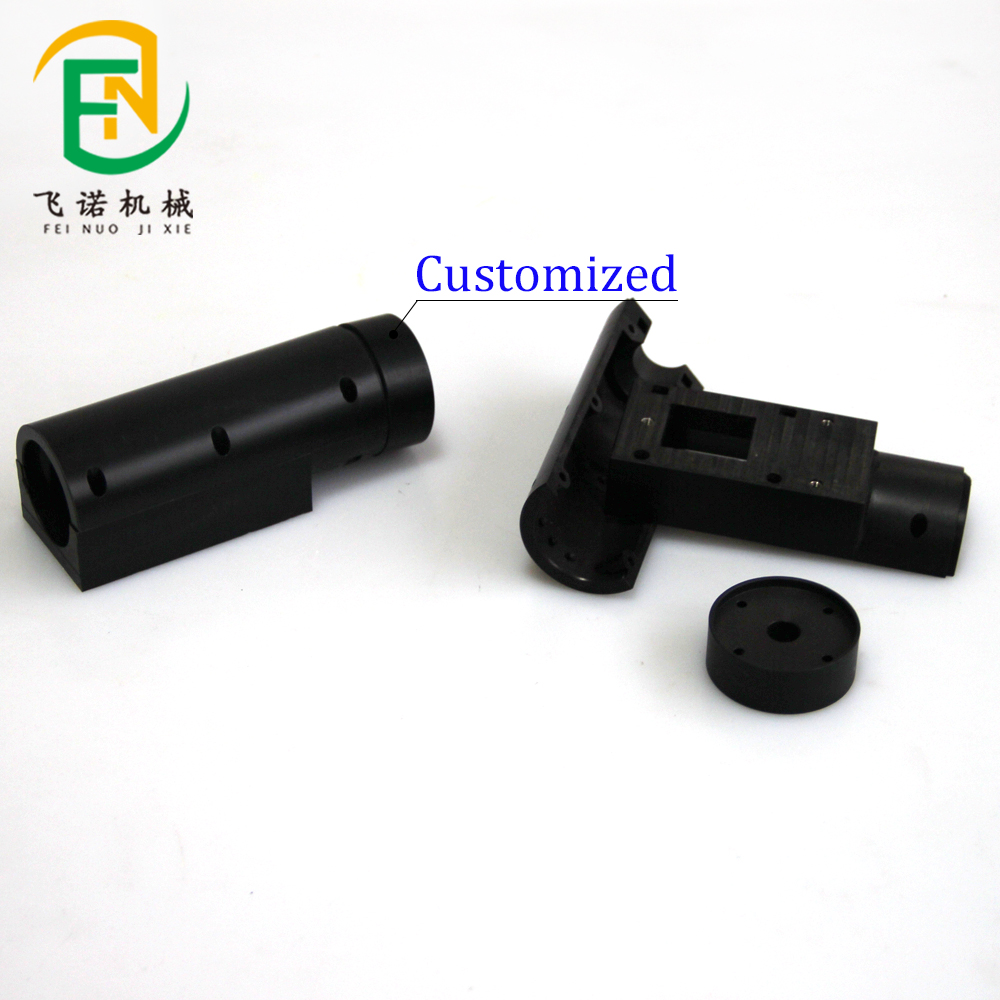
Before mass production begins, testing and validation are essential to confirm that the injection molded part meets all design goals. Prototyping helps identify real-world issues that simulations might miss. Techniques such as finite element analysis (FEA) and stress testing allow engineers to assess structural integrity under expected conditions. Accelerated life-cycle testing can reveal how the part will perform over time, helping ensure that it can withstand physical, thermal, and environmental stress. Comprehensive testing guarantees reliability, safety, and customer satisfaction.
Building Better Products Through Smarter Design
Designing a durable and efficient injection molded part requires a deep understanding of materials, geometry, and process variables. By optimizing wall thickness, draft angles, and reinforcement features, engineers can create products that perform well and are easy to manufacture. Attention to detail—from gate placement to validation testing—translates into fewer defects, lower costs, and longer-lasting parts. Ultimately, success in injection molding design is achieved when creativity meets precision. The smartest designs are those that balance performance, efficiency, and manufacturability—turning great ideas into exceptional products.