
- August 19, 2025
- Posted by: feinuojixie
- Category: Chain Guides News
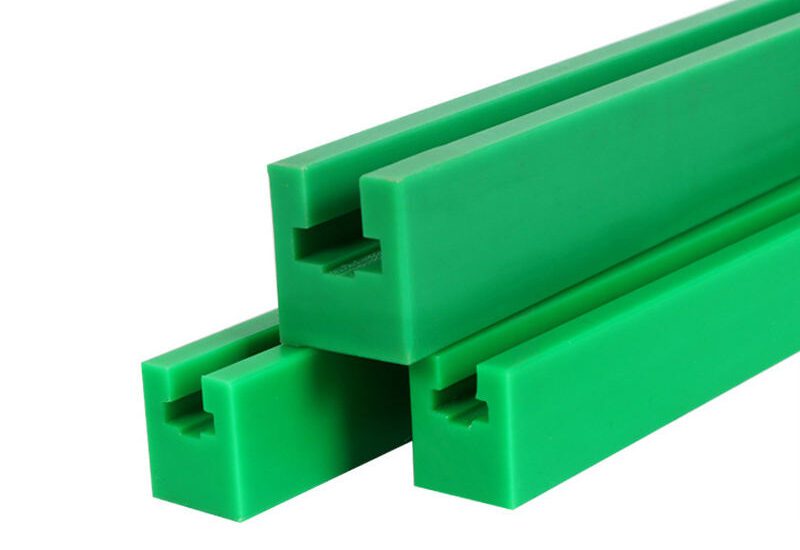
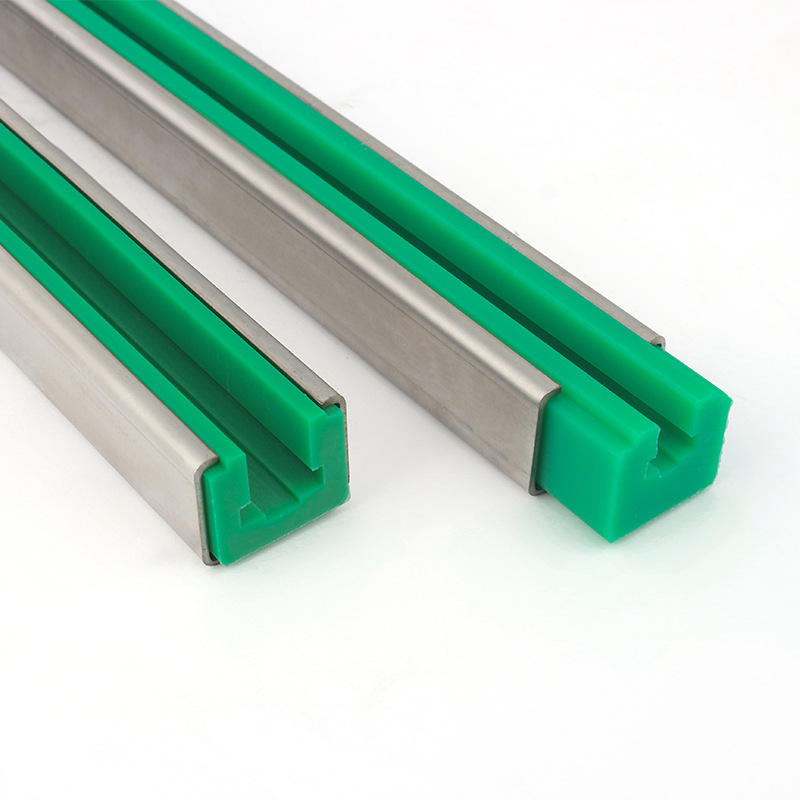
Understanding the Roller Chain Guide
At its core, a roller chain guide is a crucial component that supports and directs the movement of a roller chain within a mechanical system. Acting as a track or rail, it ensures the chain stays on course, preventing it from derailing or slipping off the sprockets. This not only enhances the efficiency of the system but also minimizes wear and tear on the chain and other components, extending their lifespan significantly.
There are several types of roller chain guides available, each tailored to specific applications. Fixed guides are ideal for systems with consistent load and speed requirements, providing a stable and reliable support structure. Adjustable guides, on the other hand, offer flexibility, allowing for easy modification of the chain’s path to accommodate changes in the system. Self-aligning guides are designed to automatically adjust to misalignments, making them suitable for applications where precision alignment is challenging to maintain.
The benefits of proper roller chain guide implementation are far-reaching. A well-installed guide reduces friction, enabling the chain to move smoothly and efficiently, which in turn leads to lower energy consumption. It also minimizes the risk of chain breakage and damage to other components, reducing downtime and maintenance costs. Additionally, a correctly implemented roller chain guide enhances the overall safety of the system, protecting operators from potential hazards.
Preparation: Laying the Foundation
Before diving into the installation process, thorough preparation is essential. The first step is to assess your specific requirements. Consider factors such as the load the chain will bear, the speed at which it will operate, and the environmental conditions it will be exposed to. This information will help you determine the type, size, and material of the roller chain guide that best suits your needs.
Selecting the right roller chain guide is a critical decision. Look for guides made from high-quality materials that offer excellent durability and wear resistance. Consider the compatibility of the guide with your existing system, ensuring it fits seamlessly and works harmoniously with other components. Pay attention to the dimensions and specifications of the guide to ensure a proper fit and optimal performance.
Gathering the necessary tools and equipment is also crucial. Common tools for roller chain guide installation include wrenches, pliers, alignment tools, and lubricants. Having these tools on hand will make the installation process smoother and more efficient, allowing you to complete the task with precision and ease.
Installation: Bringing the Blueprint to Life
Once you’ve completed the preparation phase, it’s time to start the installation process. Begin with pre-installation checks to ensure everything is in order. Inspect the chain for any signs of wear, damage, or stretching, and replace it if necessary. Check the sprockets for proper alignment and wear, and make any adjustments as needed. Clean and prepare the mounting surfaces to ensure a secure and stable installation.
The step-by-step installation process involves carefully positioning the roller chain guide and securing it in place. Start by aligning the guide with the sprockets, ensuring it is parallel and centered. Use alignment tools to achieve precise alignment, as even a slight misalignment can cause significant issues down the line. Once aligned, tension the chain to the manufacturer’s specifications, using a tensioning tool to ensure the correct amount of tension. Finally, secure the guide in place using the appropriate fasteners, ensuring it is tightly and securely mounted.
Proper alignment and tensioning are crucial for the optimal performance of the roller chain guide. A misaligned guide can cause the chain to rub against the sides, leading to excessive wear and potential derailment. Insufficient tension can cause the chain to sag, resulting in poor performance and increased stress on the components. Regularly check and adjust the alignment and tension of the guide to ensure it remains in optimal condition.
Testing and Troubleshooting
After installing the roller chain guide, it’s essential to conduct initial tests to ensure it is functioning properly. Start by running the system at low speeds, carefully observing the chain’s movement and listening for any abnormal noises or vibrations. Check for any signs of slippage, misalignment, or excessive wear, and address any issues immediately.
Despite careful installation, issues may still arise during the operation of the roller chain guide. Common problems include chain slippage, excessive wear, and misalignment. Chain slippage can be caused by insufficient tension, worn sprockets, or a misaligned guide. To resolve this issue, check the tension of the chain and adjust it as needed, inspect the sprockets for wear and replace them if necessary, and ensure the guide is properly aligned.
Excessive wear on the chain or guide can be caused by factors such as improper lubrication, high loads, or high speeds. To address this issue, ensure the chain and guide are properly lubricated, reduce the load or speed if possible, and replace any worn components. Misalignment of the guide can cause the chain to rub against the sides, leading to excessive wear and potential derailment. To resolve this issue, use alignment tools to correct the alignment of the guide and ensure it is parallel and centered with the sprockets.
Regular maintenance and inspection are essential for prolonging the lifespan of the roller chain guide and preventing potential issues. Establish a maintenance schedule and stick to it, performing regular checks and lubrication as recommended by the manufacturer. Inspect the chain, guide, and other components for wear, damage, or signs of impending failure, and address any issues promptly to avoid costly repairs or downtime.
Optimization: Maximizing Performance
Once the roller chain guide is installed and functioning properly, there are several ways to optimize its performance. Fine-tuning the guide involves making small adjustments to the tension, lubrication, and alignment to achieve optimal efficiency. Regularly check the tension of the chain and adjust it as needed to ensure it remains within the manufacturer’s specifications. Apply the appropriate lubricant to the chain and guide at regular intervals to reduce friction and wear. Use alignment tools to ensure the guide remains properly aligned with the sprockets, making any necessary adjustments to maintain optimal performance.
Upgrading to advanced features can also significantly enhance the performance of the roller chain guide. Self-lubricating materials reduce the need for frequent lubrication, improving maintenance efficiency and reducing the risk of lubricant contamination. Anti-wear coatings protect the guide from wear and corrosion, extending its lifespan and improving its performance. Sensor integration allows for real-time monitoring of the guide’s performance, enabling early detection of potential issues and proactive maintenance.
Staying up-to-date with industry best practices is crucial for continued success in roller chain guide implementation. Follow industry publications, attend conferences and training sessions, and network with other professionals to stay informed about the latest advancements and best practices in this field. By continuously learning and applying new knowledge, you can ensure your roller chain guide implementations are at the forefront of technology and performance.
Conclusion
Mastering the implementation of roller chain guides is a journey that requires knowledge, skill, and practice. By following this step-by-step blueprint, you can transform from an amateur into an expert, confidently implementing roller chain guides that deliver optimal performance and longevity. Remember to thoroughly understand the roller chain guide, prepare carefully, install with precision, test and troubleshoot effectively, and optimize for maximum performance. With dedication and perseverance, you can achieve success in this challenging yet rewarding field. So, what are you waiting for? Start your journey today and unlock the full potential of roller chain guide implementation.