
- October 22, 2025
- Posted by: feinuojixie
- Category: Injection Molding News
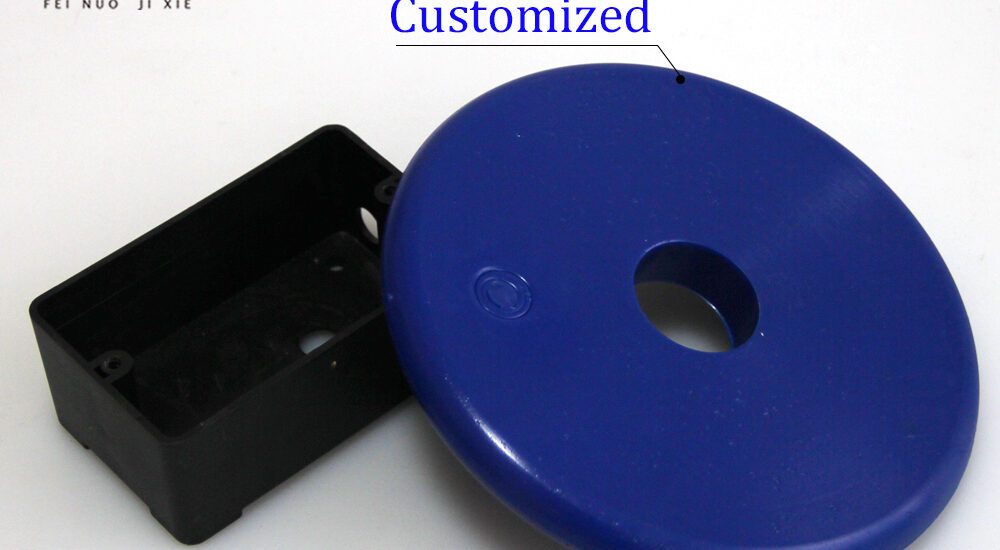
Everywhere you look, injection molded part quietly shape the modern world—from the casing of your smartphone to the dashboard of your car. These components are not just products of convenience; they are results of meticulous engineering and design. Injection molding has become one of the most versatile and cost-effective manufacturing methods, capable of producing intricate geometries with exceptional repeatability. Understanding how an injection molded part is created offers a fascinating look into the precision, creativity, and technology that power today’s manufacturing industry.
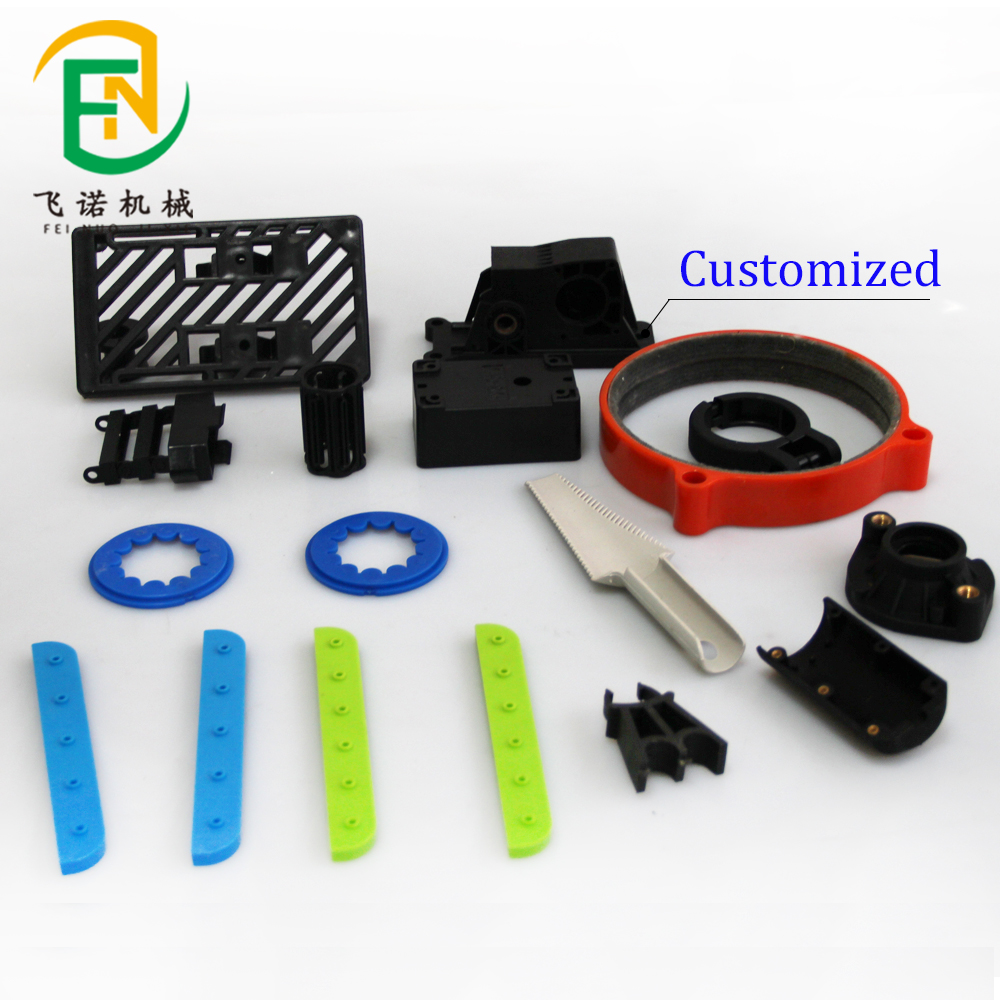
The Design Phase: Where Every Injection Molded Part Begins
The journey of an injection molded part starts long before any plastic is melted. It begins at the design table, where engineers and designers collaborate to translate ideas into tangible 3D models. Every curve, thickness, and angle must be carefully considered to ensure the part can be manufactured efficiently and perform as intended. Design for manufacturability (DFM) principles guide decisions about wall thickness, draft angles, and gate placement. At this stage, simulation tools may be used to predict how molten plastic will flow through the mold, helping prevent defects such as warping or sink marks before production even begins.
Choosing the Right Material for Injection Molded Part
Selecting the right material is one of the most critical decisions in the creation of any injection molded part. The choice directly affects strength, flexibility, durability, appearance, and even the final cost of production. Thermoplastics such as ABS, polypropylene, and nylon are popular due to their balance of toughness and versatility, while engineering-grade resins like polycarbonate or PEEK are used for more demanding applications. Each material behaves differently under heat and pressure, so engineers must carefully evaluate its flow rate, shrinkage, and resistance to environmental factors like UV exposure or chemicals. A well-chosen material ensures that the part not only performs flawlessly but also maintains consistency over millions of cycles.
Mold Creation: The Heart of the Injection Molding Process
The mold is the centerpiece of the entire injection molding operation. It defines the shape, texture, and precision of every injection molded part produced. Creating a mold requires extreme accuracy, as even the smallest imperfection can lead to defects in mass production. The process typically begins with CNC machining or electrical discharge machining (EDM), which carves the mold cavity from hardened steel or aluminum. Engineers integrate channels for cooling and ejection mechanisms to optimize cycle time and efficiency. Depending on the complexity, mold fabrication can take weeks and involve rigorous testing before it’s ready for production. Once perfected, a single mold can produce thousands or even millions of identical parts with unmatched precision.
Injection Molding Machine Setup and Calibration
Before production starts, the injection molding machine must be precisely set up and calibrated. This includes configuring temperature zones, injection pressure, cooling time, and clamping force. Each variable has a direct impact on the final part quality. For example, too much pressure can cause flashing, while insufficient cooling may lead to warping or incomplete fills. Experienced operators use a combination of data analysis and trial runs to achieve the optimal setup. Modern machines feature automated monitoring systems that adjust parameters in real time, ensuring every injection molded part meets exact specifications. Proper calibration minimizes waste, reduces cycle time, and maximizes productivity.
The Molding Process: Turning Pellets into Precision Parts
The transformation from raw material to finished part happens in a matter of seconds but requires a highly controlled sequence. First, plastic pellets are fed into a heated barrel, where they melt and become a viscous fluid. The molten material is then injected under high pressure into the closed mold cavity. Once filled, the material cools and solidifies, taking the exact shape of the mold. After cooling, the mold opens, and ejector pins push out the finished injection molded part. This cycle—melt, inject, cool, and eject—repeats continuously, often producing thousands of identical pieces per hour. The efficiency of this process is what makes injection molding so essential for mass production.
Quality Control: Ensuring Every Injection Molded Part Meets Standards
Quality assurance plays a vital role in guaranteeing that every part leaving the production line meets the intended specifications. Manufacturers use various testing methods, such as dimensional measurement, tensile strength testing, and surface inspection, to detect inconsistencies or defects. Visual inspections may identify flow lines or sink marks, while automated vision systems can catch microscopic flaws in real time. Statistical process control (SPC) data helps track variations across batches, ensuring consistency throughout production runs. The goal is to achieve zero defects, especially for industries like automotive, medical, and aerospace, where precision and reliability are non-negotiable.
Finishing Touches: Post-Molding Processes That Perfect the Product
After ejection, many injection molded part undergo additional finishing processes to enhance their appearance and functionality. These can include trimming excess material, polishing surfaces, painting, or applying coatings for UV and chemical resistance. In more complex assemblies, techniques like ultrasonic welding, hot stamping, or pad printing may be used to add logos, labels, or components. Finishing not only improves the aesthetic appeal but also ensures that the part meets specific application requirements. For example, a consumer electronics housing might receive a textured surface for better grip, while medical components are often sterilized or coated for hygiene and safety.
Efficiency and Automation in Modern Injection Molding
Advancements in automation have revolutionized how injection molded part are manufactured today. Robotics handle repetitive tasks like part removal, assembly, and packaging, reducing human error and increasing throughput. Real-time monitoring systems track machine performance and material flow, enabling predictive maintenance and minimizing downtime. Smart factories use data analytics and AI-driven optimization to balance production loads and enhance quality control. These technologies not only boost efficiency but also reduce material waste and energy consumption, making injection molding a cornerstone of modern, high-volume manufacturing.
Sustainability in Injection Molded Part Production
As industries move toward greener practices, sustainability has become a core focus in injection molding. Manufacturers now incorporate recycled materials and biodegradable resins to lessen environmental impact. Regrind systems allow leftover sprues and runners to be reused, minimizing plastic waste. Additionally, energy-efficient machines and optimized cooling systems lower electricity usage. Some companies are even exploring plant-based polymers that maintain performance while being environmentally friendly. The shift toward sustainable production demonstrates that precision manufacturing and environmental responsibility can coexist, paving the way for a cleaner, smarter future.
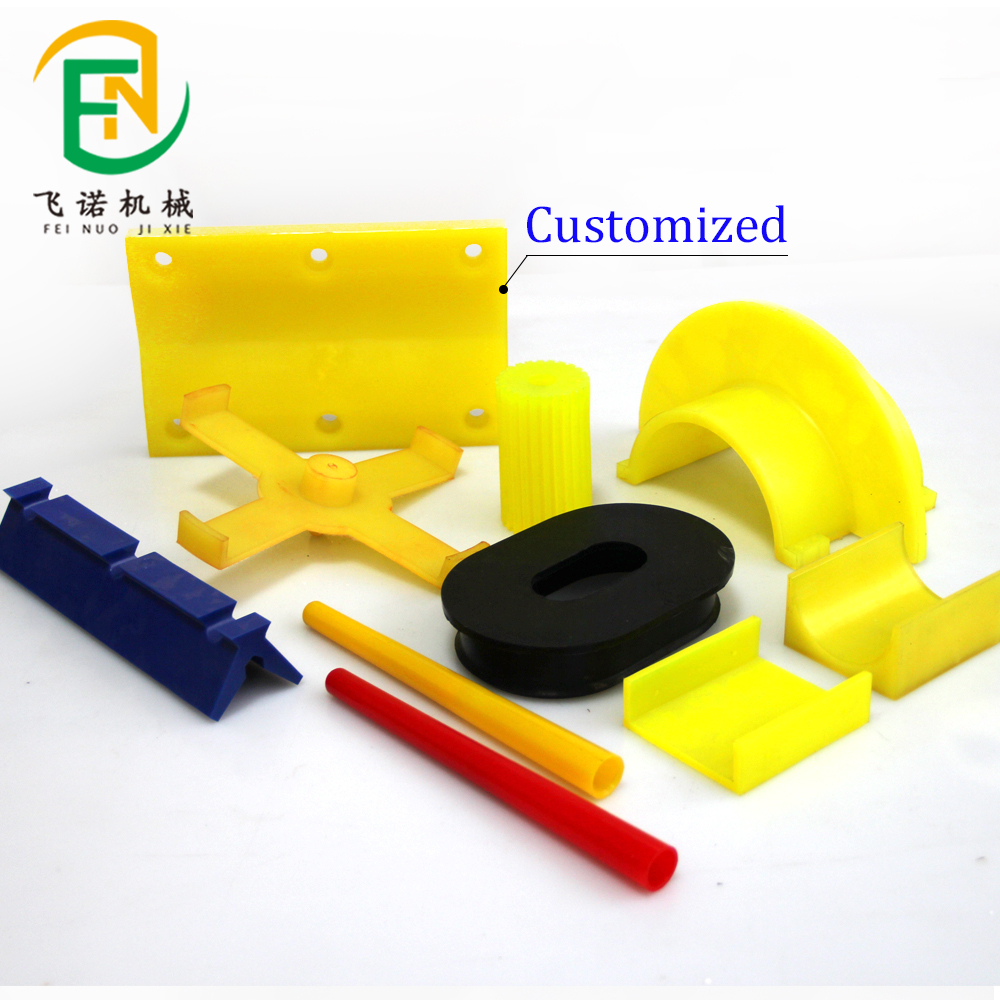
The Art and Science Behind Every Injection Molded Part
From concept to creation, the production of an injection molded part is a blend of art, engineering, and innovation. Every step—from design and material selection to molding and finishing—requires expertise, precision, and technological mastery. These parts may seem simple at first glance, but behind each one lies a complex process that combines creativity with scientific rigor. As industries continue to evolve, injection molding remains a driving force in producing the reliable, high-quality components that power our daily lives. Understanding how these parts are made not only deepens appreciation for modern manufacturing but also highlights the incredible potential of human ingenuity.