
- December 12, 2025
- Posted by: feinuojixie
- Category: Chain Guides News
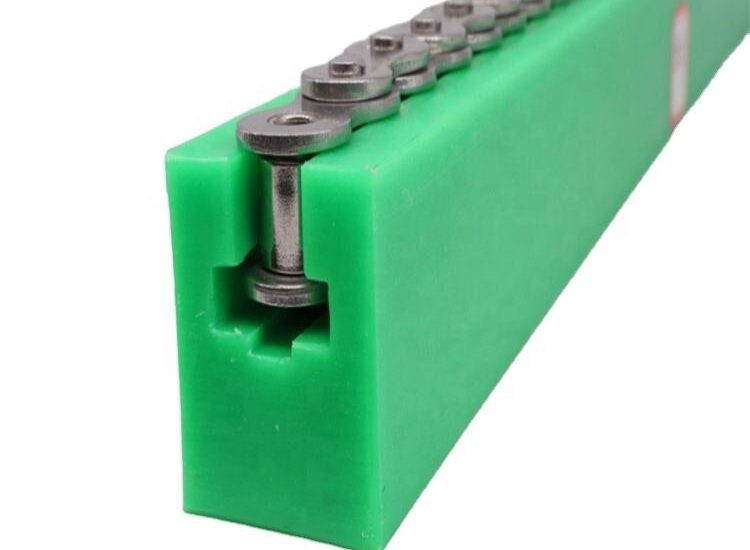
A Plastic Guide may look like a simple component inside a conveyor system, but its influence on daily performance is far greater than most operators realize. From stabilizing chain movement to preventing unnecessary wear, the right Plastic Guide ensures smooth operation, reduces downtime, and helps the entire system run more efficiently. Because of its direct contact with the chain or belt, its design, material quality, and installation accuracy directly determine how well the conveyor performs under real-world conditions.
Understanding the complete journey—from design to installation—allows engineers, maintenance managers, and equipment owners to choose the correct Plastic Guide that maximizes both reliability and cost-effectiveness. This guide walks you through each critical step so you can make confident, well-informed decisions that support long-term operational success.
Understanding the Function of a Plastic Guide in Modern Conveyors
A Plastic Guide plays a central role in keeping conveyor motion stable and predictable. Although compact, it controls alignment, reduces friction, and absorbs vibration, ensuring every part of the system works in harmony. To understand why careful design and installation matter, it is important to look at how this component interacts with the chain or belt under varying conditions.
What a Plastic Guide Actually Does
A Plastic Guide maintains the correct travel path for the chain or belt, preventing side movement that could cause uneven wear or jamming. By supporting the load and distributing contact evenly, it guarantees smoother motion and fewer operational interruptions. This guidance function is essential in fast-moving or heavy-load systems.
Why Material Choice Matters
Different conveyor environments require different material strengths. A Plastic Guide made of UHMW offers excellent wear resistance and low friction, while nylon provides rigidity for high-temperature applications. HDPE works well when chemical exposure is a concern. Choosing the right material ensures the Plastic Guide performs reliably under continuous stress.
How a Plastic Guide Protects Equipment
By lowering friction and absorbing impact, a Plastic Guide minimizes contact stress on both the chain and conveyor frame. It helps reduce noise, prevent metal-to-metal contact, and extend the life of critical components. In long production cycles, this translates into fewer repairs and a more stable system.
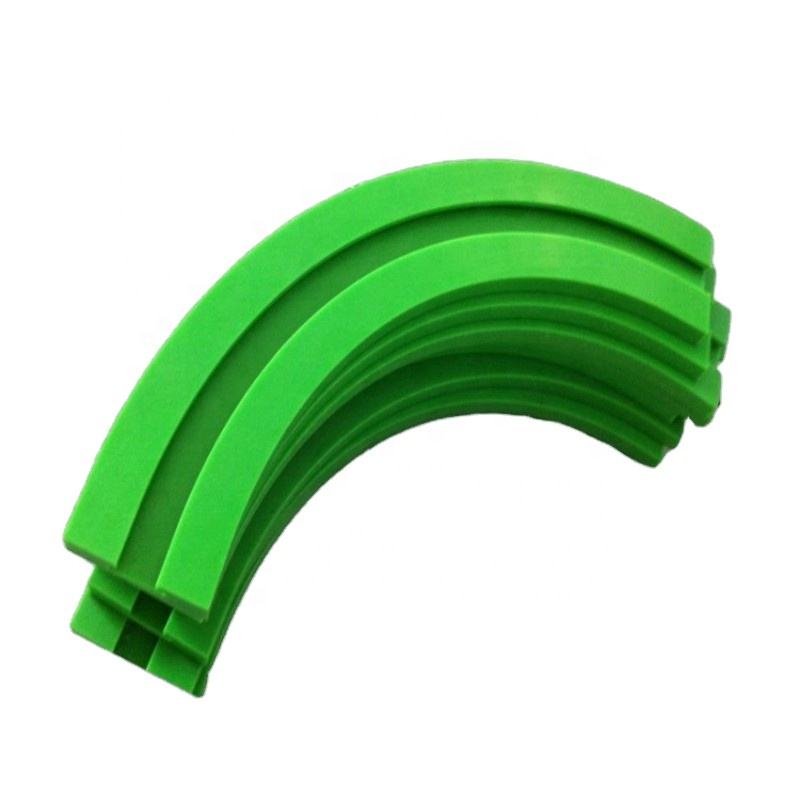
Designing a Plastic Guide Based on System Requirements
Designing a Plastic Guide begins with understanding where and how it will be used. Precise design is essential because even a small mismatch between guide geometry and chain profile can lead to accelerated wear or instability.
Identifying Key Operating Conditions
Before drafting the design, engineers must evaluate load levels, conveyor speed, ambient temperature, and exposure to moisture or chemicals. These factors determine the ideal thickness, hardness, and structural reinforcement of the Plastic Guide.
Matching Plastic Guide Geometry to Chain or Belt Type
Every chain or belt has its own structure and running behavior. The Plastic Guide must match this behavior by using the right groove shape, wall height, and support angle. Proper geometry helps maintain alignment even during abrupt starts or stops.
Engineering Considerations for Long-Term Durability
Wear zones must be identified so the Plastic Guide can include extra thickness or smoother surfaces where friction is highest. Engineers may also incorporate lubrication paths or choose a self-lubricating material to reduce maintenance needs.
Selecting the Right Material for Your Plastic Guide
Material selection determines how well the Plastic Guide will resist wear, impacts, chemicals, and heat. This step influences both product life and overall conveyor reliability.
Evaluating Wear and Friction Needs
Low-friction materials offer smoother movement and lower energy consumption. Systems running at high speed or under heavy loads often benefit from UHMW because it minimizes drag and significantly reduces chain wear.
Considering Chemical and Impact Resistance
In washdown environments or food-grade applications, the Plastic Guide must resist cleaning agents and moisture without swelling or deformation. Where impact is common, a flexible yet durable material helps absorb repeated shocks.
Why UHMW Is a Leading Choice for a Plastic Guide
UHMW offers excellent abrasion resistance, extremely low friction, and strong impact absorption. Its natural stability makes it one of the most reliable materials for creating a long-lasting Plastic Guide in demanding industrial settings.
Manufacturing the Plastic Guide with Precision
Once the design and material are finalized, accurate manufacturing ensures that the Plastic Guide performs as intended and fits seamlessly into the system.
Why CNC Machining Creates a Better Plastic Guide
CNC machining allows every dimension and angle to be perfectly replicated based on the design. Smooth finishes reduce friction, and precise grooves offer better chain stability. This method ensures consistency from one guide to another.
Custom vs. Standard Plastic Guide
A standard Plastic Guide works for many systems, but unique conveyor layouts often require custom shapes. A custom option ensures perfect compatibility, ideal alignment, and improved performance in complex environments.
Quality Checks Before Shipping
The Plastic Guide undergoes inspection for dimensional accuracy, flatness, and surface integrity. Verifying the material and ensuring no internal stress remains helps guarantee long service life.
Preparing for Plastic Guide Installation
Proper preparation avoids installation errors that can affect performance. Even the best Plastic Guide can fail if installed without careful planning.
Measuring and Verifying Conveyor Dimensions
The installer must confirm frame width, chain pitch, and alignment angles. Any deviation can cause the Plastic Guide to sit incorrectly and result in premature wear.
Inspecting Chain or Belt Condition
A worn or misaligned chain can damage a new Plastic Guide. Inspecting its condition first ensures the guide works with a stable and consistent moving surface.
Gathering Tools and Safety Preparations
Simple tools such as a torque wrench, fasteners, and alignment gauges are typically required. Safety protocols help avoid unnecessary risk during installation.
Installing the Plastic Guide Step by Step
Installation determines how well the Plastic Guide performs in real operation. Following a careful step-by-step process ensures proper fit and alignment.
Mounting the Plastic Guide to the Rail
The Plastic Guide must sit flush against the rail. Installers secure it gradually, checking alignment continuously to avoid twisting or uneven gaps that can increase friction.
Securing and Testing Movement
Once mounted, the chain or belt is tested for smooth travel. Any unusual vibration or noise indicates misalignment that must be corrected immediately.
What to Do If Your Plastic Guide Shows Early Wear
Early wear usually signals improper installation or an unaddressed chain problem. Inspect alignment, tension, and contact points to identify the cause and correct it before reinstallation.
Maintaining Your Plastic Guide for Long-Term Performance
Regular maintenance ensures the Plastic Guide remains effective and prevents costly downtime.
Routine Inspection Checklist
Operators should look for signs of uneven wear, heat buildup, debris accumulation, or vibration. Early detection helps prevent bigger mechanical issues.
Cleaning Techniques to Extend Life
A simple cleaning routine keeps the Plastic Guide free from debris that can increase friction. Smooth surfaces stay effective longer when dirt and residue are removed regularly.
When to Replace a Plastic Guide
Cracking, deep grooves, or widened contact paths indicate the Plastic Guide is reaching the end of its usable life. Timely replacement ensures the system continues running smoothly.
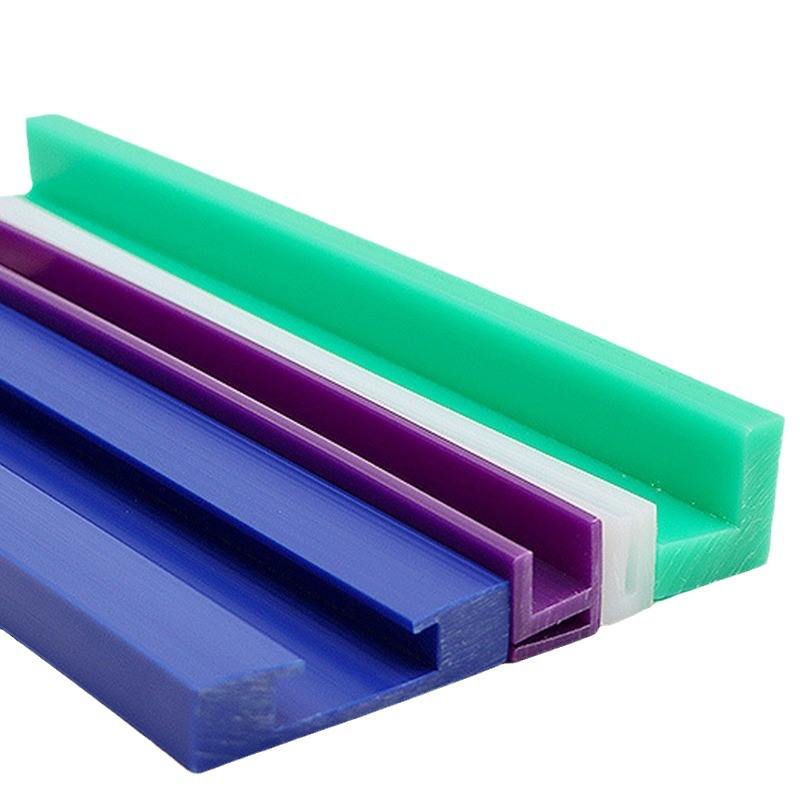
A Well-Designed Plastic Guide Delivers Years of Reliable Operation
From the earliest design stage to final installation, every step shapes how well a Plastic Guide performs inside a conveyor system. By selecting the right material, ensuring accurate manufacturing, and installing with precision, you create a stable foundation for efficient, low-maintenance operation. With proper care, the Plastic Guide supports long-term reliability and helps your equipment deliver consistent performance for years to come.