
- November 6, 2025
- Posted by: feinuojixie
- Category: Injection Molding News
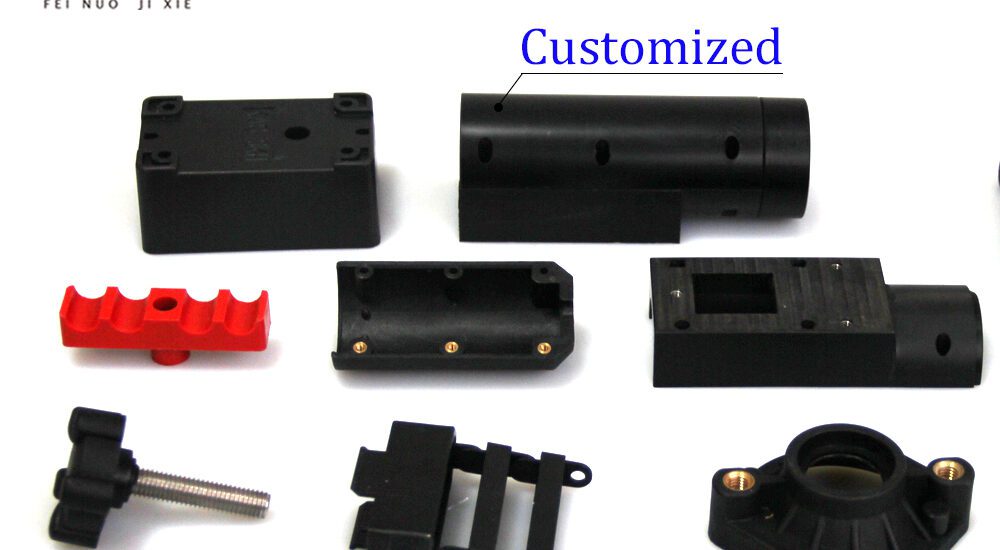
In modern manufacturing, few processes are as versatile and efficient as injection molding. Every injection molding part begins as a concept—a precise idea that evolves through careful design, engineering, and production. These parts form the backbone of countless products we rely on daily, from car dashboards to medical devices.
Understanding the complete journey from design to production is more than just knowing how plastic becomes a product. It’s about mastering an intricate balance between creativity, engineering, and technology. For companies aiming to stay competitive, a deep grasp of how each stage affects quality, cost, and speed can be the key to producing superior parts that meet demanding industry standards.
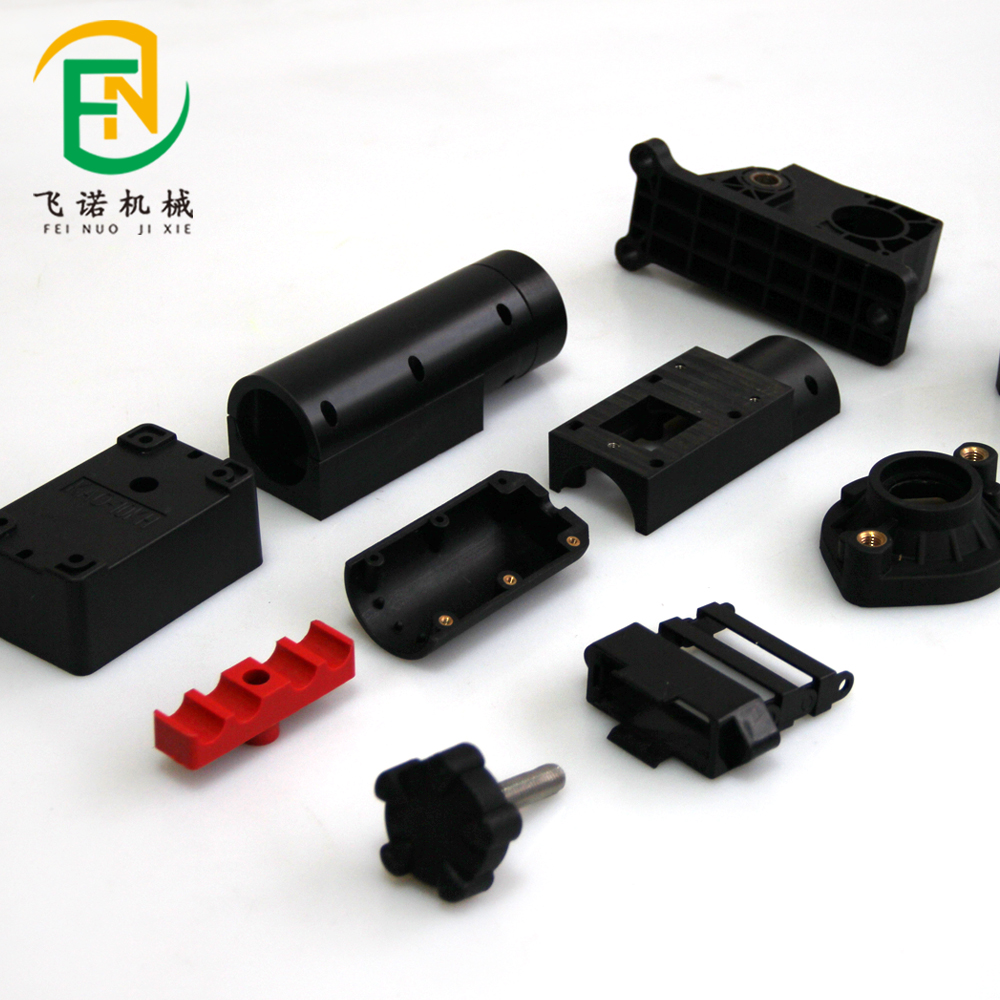
The Basics of Injection Molding Part
An injection molding part is a precisely formed component produced by injecting molten material into a mold cavity under high pressure. This manufacturing process allows for the creation of complex shapes with exceptional accuracy, making it a cornerstone of modern production lines. From lightweight automotive components to durable medical housings, injection molding delivers consistency and cost efficiency on a massive scale.
The dominance of injection molding in manufacturing comes from its unique combination of versatility and speed. The process enables large-volume production while maintaining tight tolerances, reducing waste, and allowing the use of various thermoplastic materials. In industries where precision and repeatability are vital, injection molding stands as the most reliable method to produce parts that meet both technical and aesthetic requirements.
Design Phase: Building the Foundation of a High-Quality Injection Molding Part
Every successful injection molding part begins with intelligent design. The design phase is where functionality, manufacturability, and cost are carefully balanced to create a part that performs efficiently and can be mass-produced without complications.
Concept Development and 3D Modeling
The first step involves transforming an idea into a 3D model using CAD software. This virtual representation helps engineers visualize the part’s geometry, identify potential issues, and optimize dimensions before any material is used. Virtual simulations also allow prediction of flow behavior and potential stress points during molding.
Material Selection for Optimal Performance
Choosing the right material is crucial. Thermoplastics like ABS, polycarbonate, and nylon each bring different strengths—impact resistance, flexibility, or heat stability. The material defines how the final part behaves under pressure, temperature, or chemical exposure. A poor material choice can lead to warping, brittleness, or premature wear, so collaboration between designers and material specialists is essential.
Design for Manufacturability (DFM) Principles
DFM ensures that the part can be efficiently molded without defects. Critical elements such as uniform wall thickness, proper draft angles, and minimal undercuts help avoid production challenges. Incorporating these principles early in the design stage minimizes costly mold adjustments later and ensures the part meets performance expectations.
Mold Creation: Crafting the Core Tool for Injection Molding Part
The mold is the heart of injection molding production. It determines the precision, surface finish, and overall quality of every part produced.
How Mold Design Impacts Part Quality
Mold design directly affects how molten material flows, cools, and solidifies inside the cavity. Poorly designed molds can result in incomplete filling, visible lines, or dimensional inaccuracies. Engineers use flow analysis software to simulate how material will behave during injection, allowing them to optimize gate placement, venting, and cooling channels.
CNC Machining and Mold Fabrication Process
Once the design is finalized, the mold is fabricated using high-precision CNC machining or EDM (Electrical Discharge Machining). These processes shape the steel or aluminum mold blocks into detailed cavities that mirror the final product. After machining, polishing and surface treatment ensure the mold delivers the desired texture and durability.
Testing and Adjustments Before Mass Production
Before full-scale production begins, trial runs—known as T1 tests—are performed. Engineers analyze the first molded samples for defects or dimensional errors, then fine-tune parameters or modify the mold if needed. This stage is crucial to achieving consistent quality once production ramps up.
Production Stage: Turning Design into Reality
Once the mold is perfected, the manufacturing process can begin. Here, precision and control define the outcome.
The Injection Molding Cycle Explained
The cycle involves four main steps: clamping, injection, cooling, and ejection. First, the mold halves close tightly (clamping). Then molten plastic is injected under high pressure into the mold cavity (injection). As the material cools and hardens (cooling), the mold opens and the finished part is released (ejection). This cycle can repeat every few seconds for small parts, making it ideal for high-volume production.
Maintaining Consistency in High-Volume Production
Advanced molding machines equipped with monitoring systems ensure stable temperature, pressure, and cycle times. Consistency is achieved by maintaining uniform conditions across all production runs. Automated robots are often used for part removal, minimizing human error and speeding up production lines.
Common Production Challenges and Solutions
Defects like warping, sink marks, or short shots can occur if process parameters are not optimized. Engineers address these issues by adjusting cooling time, injection pressure, or gate design. Preventive maintenance of molds and regular equipment calibration also play a major role in maintaining consistent quality.
Post-Processing: Perfecting the Finished Injection Molding Part
Even after molding, parts often require finishing touches to achieve their final appearance and performance.
Trimming, Surface Finishing, and Assembly
Excess material, known as flash, is removed through trimming. Depending on the application, additional treatments like painting, texturing, or ultrasonic welding may follow. For multi-component products, assembly lines integrate the molded part with metal inserts, fasteners, or electronic elements.
Quality Inspection and Testing
Each batch undergoes inspection to ensure that dimensions, strength, and appearance meet specifications. Advanced measuring equipment like coordinate measuring machines (CMM) and optical scanners verify that every part matches the design. Stress, heat, and chemical resistance tests are also performed for safety-critical components.
Packaging and Delivery for Industrial Use
Once approved, parts are cleaned, labeled, and packed securely to prevent damage during transport. Efficient logistics ensure timely delivery to manufacturers, often as part of a just-in-time supply chain to keep production running smoothly.
Applications: Where Injection Molding Part Shape the World
Injection molding is the invisible force behind countless industries.
Automotive, Electronics, and Consumer Goods
In the automotive sector, injection molding enables lightweight dashboards, handles, and connectors. Electronics rely on molded housings for protection and insulation, while consumer goods—from kitchenware to power tools—depend on it for ergonomic design and cost-effective production.
Medical and Aerospace Innovations
Precision molding also powers life-saving medical equipment such as syringes and implantable components, where tight tolerances are critical. In aerospace, high-performance plastics withstand extreme conditions while reducing overall weight, proving that injection molding is not just for mass-market products but also for cutting-edge technology.
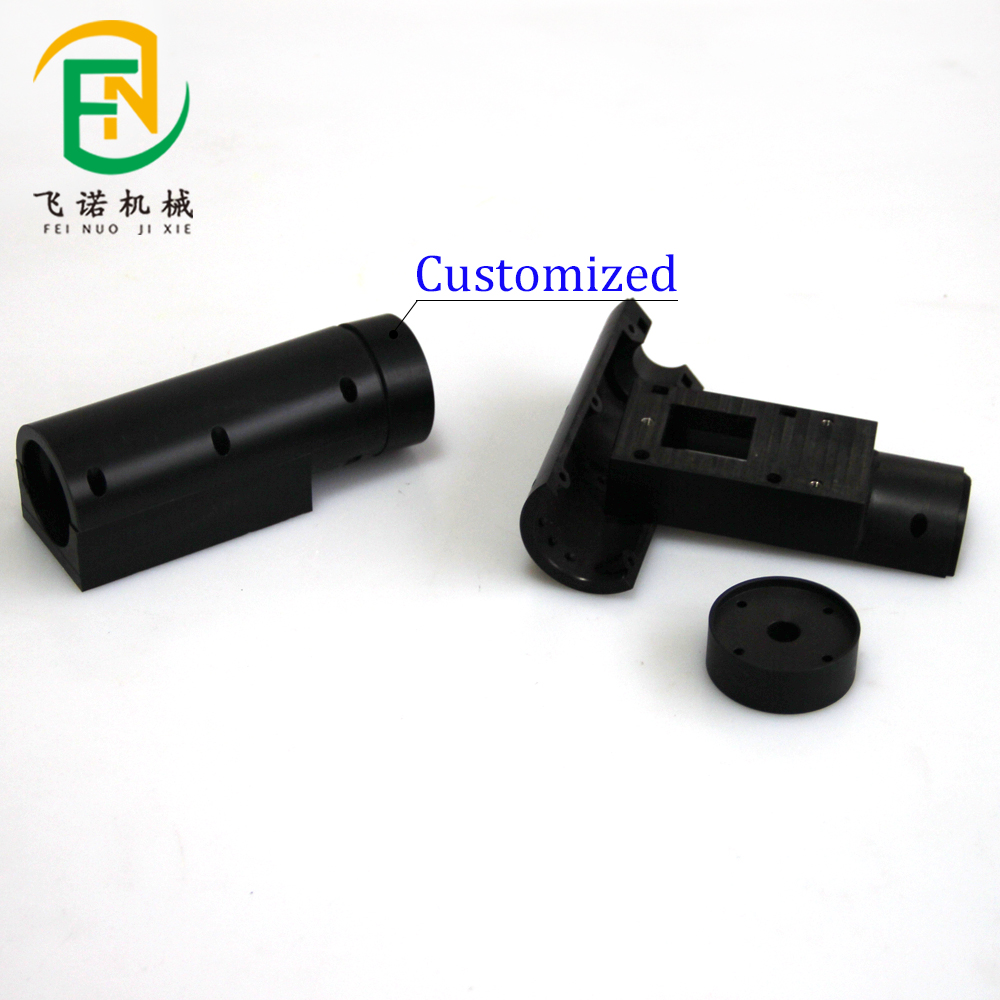
Future Trends in Injection Molding Part
As technology advances, injection molding continues to evolve into a smarter, greener, and more efficient process.
Smart Manufacturing and Automation
AI-driven systems now monitor production data in real time, predicting defects before they happen. Collaborative robots (cobots) streamline part handling, packaging, and inspection. These innovations reduce downtime and enhance precision, allowing manufacturers to maintain high output with minimal waste.
Sustainable Materials and Recycling
Sustainability is shaping the next generation of injection molding. Bio-based plastics and recyclable polymers are becoming mainstream, while closed-loop recycling systems allow manufacturers to reuse scrap material without compromising quality. The shift toward eco-conscious production is driving innovation and environmental responsibility across the industry.
Mastering the Entire Injection Molding Process
The journey from design to production of an injection molding part is a meticulous blend of creativity, engineering, and technology. Every stage—from concept modeling and mold making to final inspection—plays a critical role in shaping the product’s quality and performance.
For businesses and designers, mastering this process means unlocking the potential to create stronger, more efficient, and sustainable products. Injection molding remains not only a manufacturing method but a key driver of modern innovation, shaping the world one part at a time.