In the dynamic realm of industrial machinery, the quest for seamless motion and robust performance is unending. High-precision roller guide rails and chain guides stand as the unsung heroes, ensuring that equipment operates with utmost precision and reliability. This blog post delves deep into the world of these essential components, exploring their features, applications, and the transformative impact they have on industrial operations.
High-precision
roller guide rails are engineered with meticulous attention to detail. Their design typically features a series of precisely aligned rollers that ride along a hardened guide rail. This construction minimizes friction, enabling smooth linear motion even under heavy loads. The rollers are often made from high-grade materials such as stainless steel or bearing steel, which offer excellent wear resistance and durability.
These guide rails offer several significant advantages. They provide exceptional positioning accuracy, which is crucial for applications that demand tight tolerances. Their ability to handle heavy-duty loads without compromising on performance makes them ideal for a wide range of industrial applications. Additionally, high-precision roller guide rails have a long service life, reducing maintenance costs and downtime.
The working mechanism of roller guide rails is based on the principle of rolling friction. As the rollers move along the guide rail, the rolling action creates less resistance compared to sliding friction. This results in smoother motion, lower energy consumption, and reduced wear and tear on the components. The preloading of the rollers also helps to eliminate play, further enhancing the precision of the system.
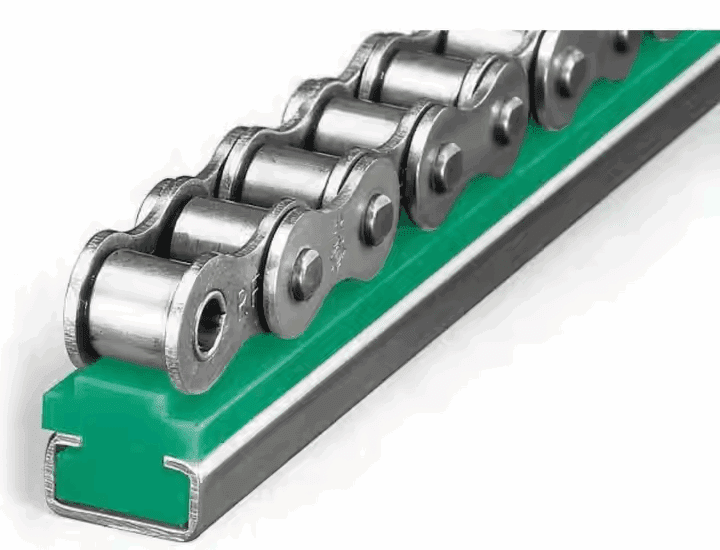
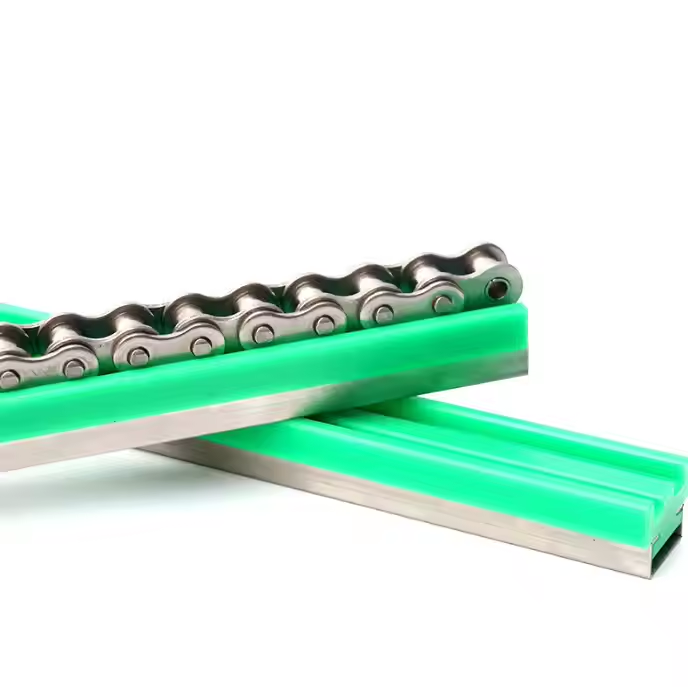
Chain guides play a vital role in ensuring the smooth and efficient operation of chain-driven systems. Their primary function is to support and guide the chain, preventing it from sagging, twisting, or derailing. By maintaining the proper alignment of the chain, chain guides help to reduce wear and tear, extend the lifespan of the chain, and improve the overall performance of the system.
There are several types of chain guides available, each designed for specific applications. Some common types include plastic chain guides, which are lightweight and offer good wear resistance; metal chain guides, which are more durable and suitable for heavy-duty applications; and composite chain guides, which combine the advantages of both plastic and metal.
Proper installation and maintenance of chain guides are essential for their optimal performance. During installation, it is important to ensure that the chain guide is correctly aligned with the chain and the sprockets. Regular inspection and lubrication of the chain guide can help to prevent premature wear and ensure smooth operation.
High-precision roller guide rails and chain guides work in harmony to enhance the performance of industrial machinery. While roller guide rails provide the smooth linear motion, chain guides ensure the reliable transfer of power through the chain. Together, they enable the system to operate with greater efficiency, precision, and reliability.
The combination of roller guide rails and chain guides is widely used in various industrial machinery, such as CNC machines, printing presses, packaging equipment, and material handling systems. In CNC machines, for example, the high-precision roller guide rails ensure accurate positioning of the cutting tool, while the chain guides drive the feed mechanism, enabling precise and efficient machining.
When selecting high-precision roller guide rails and chain guides, several factors need to be considered. These include the load capacity required, the operating speed, the environmental conditions, and the precision requirements of the application. Additionally, the compatibility of the components with the existing machinery and the ease of installation and maintenance are also important considerations.
Choosing a reliable supplier is crucial for obtaining high-quality components. A good supplier should have a proven track record in the industry, offer a wide range of products, provide technical support, and have a responsive customer service team. Reading customer reviews and testimonials can also help to gauge the reputation of the supplier.
Several companies have witnessed significant improvements in their operations by implementing high-precision roller guide rails and chain guides. For example, a manufacturing company was able to increase the productivity of its CNC machining center by 30% after upgrading to high-precision roller guide rails. Another company reduced the maintenance costs of its packaging equipment by 20% by using high-quality chain guides.
These case studies highlight the importance of choosing the right components and ensuring proper installation and maintenance. They also demonstrate the potential return on investment that can be achieved by upgrading to high-performance guide rails and chain guides.
The field of roller guide rails and chain guides is constantly evolving, with new technologies and materials being developed. Some of the emerging trends include the use of advanced materials for improved wear resistance and performance, the integration of sensors for real-time monitoring, and the development of more compact and lightweight designs.
These technological advancements are expected to have a significant impact on the industrial machinery industry. They will enable the development of more efficient, precise, and reliable equipment, which will in turn drive innovation and productivity in various sectors.
High-precision roller guide rails and chain guides are indispensable components in modern industrial machinery. Their ability to provide smooth motion, heavy-duty performance, and long service life makes them essential for ensuring the efficient operation of equipment. By understanding their features, applications, and the factors to consider when choosing them, industries can make informed decisions that will enhance their productivity, reduce costs, and stay competitive in the market. As technology continues to advance, the future of these components looks promising, with even greater performance and innovation on the horizon.