
- December 15, 2025
- Posted by: feinuojixie
- Category: Chain Guides News
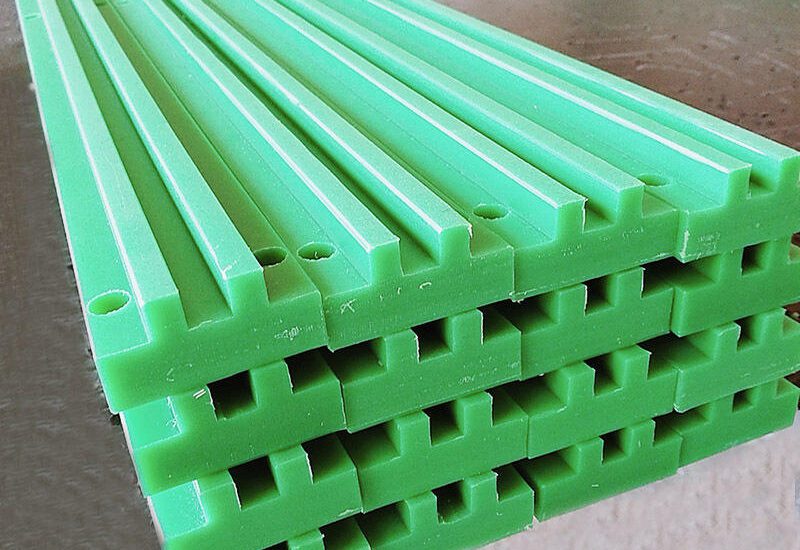
In many industrial systems, overall equipment performance is often associated with motors, drives, or control systems. However, one of the most influential components is frequently overlooked. A Plastic Guide plays a vital role in directing motion, controlling movement, and protecting mechanical parts from unnecessary stress. When designed and applied correctly, a Plastic Guide can significantly enhance efficiency, stability, and reliability across a wide range of equipment.
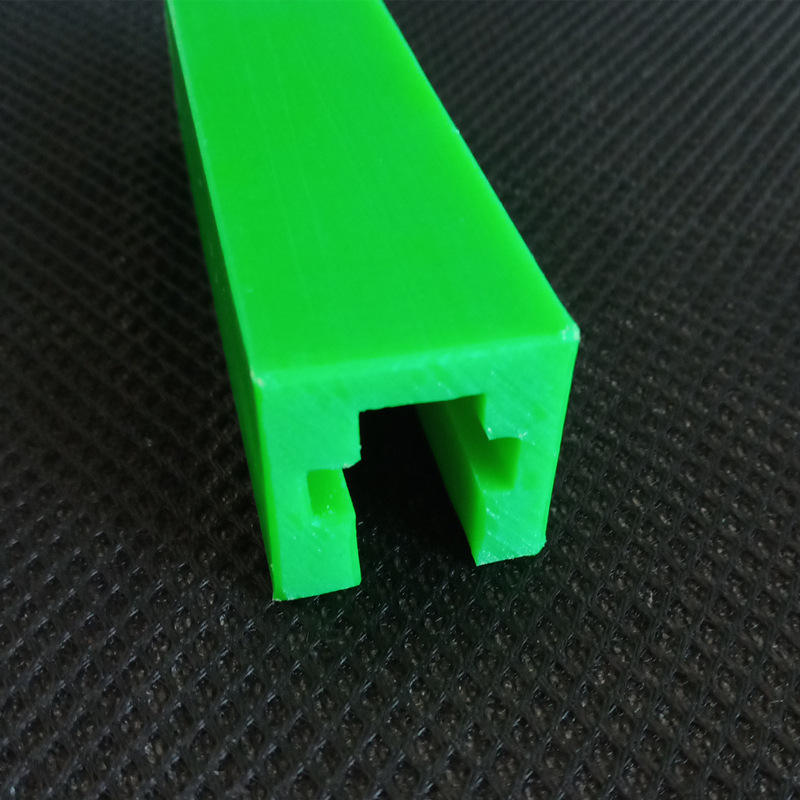
Understanding the Core Function of a Plastic Guide in Equipment Systems
A Plastic Guide serves as a guiding and supporting element for moving components such as chains, belts, or sliding parts. Its primary function is to maintain proper alignment while allowing controlled movement along a defined path. By preventing unwanted lateral motion and reducing direct contact between metal parts, a Plastic Guide ensures that equipment operates smoothly and consistently under varying loads and speeds.
How a Plastic Guide Reduces Friction and Enhances Motion Control
One of the most important performance benefits of a Plastic Guide is its ability to reduce friction. Engineered plastic materials offer low friction surfaces that allow components to glide with minimal resistance. Reduced friction leads to smoother motion control, faster response, and less energy loss. As a result, equipment achieves higher efficiency while maintaining stable and predictable movement.
The Impact of a Plastic Guide on Equipment Wear and Longevity
Excessive wear is a common cause of equipment failure and downtime. A Plastic Guide acts as a protective interface that absorbs contact forces and reduces abrasion on critical components. By minimizing metal-to-metal contact and distributing loads evenly, a Plastic Guide significantly extends the service life of both the guide itself and the components it supports.
How a Plastic Guide Improves Operational Stability and Precision
Operational stability is essential for maintaining consistent performance, especially in automated systems. A well-designed Plastic Guide helps keep moving parts properly aligned, reducing vibration and unwanted movement. Improved alignment translates into greater precision, better product consistency, and fewer operational disruptions caused by misalignment or component drift.
Noise Reduction Benefits Delivered by a High-Quality Plastic Guide
Noise is often an indicator of inefficiency and excessive mechanical stress. A Plastic Guide naturally dampens vibration and absorbs sound due to its material properties. By reducing impact noise and friction-related sound, a Plastic Guide contributes to a quieter operating environment, which improves workplace comfort and helps meet noise control standards.
Energy Efficiency Gains Achieved with the Right Plastic Guide
Lower friction and smoother motion directly influence energy consumption. A Plastic Guide allows equipment to operate with reduced resistance, which means motors and drives require less power to achieve the same output. Over time, these efficiency gains can result in noticeable energy savings and improved sustainability for industrial operations.
How a Plastic Guide Supports High-Speed and Continuous Operation
Many modern systems operate at high speed or run continuously for extended periods. A Plastic Guide is well-suited for such demands due to its wear resistance and self-lubricating characteristics. Even under constant motion, a Plastic Guide maintains stable performance, reducing the risk of overheating, deformation, or premature failure.
Material Advantages That Make a Plastic Guide Performance-Driven
The performance of a Plastic Guide is closely tied to its material composition. Advanced engineering plastics offer benefits such as corrosion resistance, chemical stability, and impact strength. These properties allow a Plastic Guide to perform reliably in challenging environments, including exposure to moisture, chemicals, or temperature fluctuations.
Choosing the Right Plastic Guide to Maximize Equipment Performance
Selecting the right Plastic Guide requires careful consideration of application conditions. Load capacity, operating speed, environmental exposure, and installation requirements all influence performance. By matching the Plastic Guide design and material to specific operational needs, equipment owners can unlock maximum performance and reliability.

Long-Term Cost Benefits of Investing in a High-Performance Plastic Guide
While a Plastic Guide may appear to be a small component, its impact on cost control is significant. Reduced wear, lower maintenance requirements, fewer breakdowns, and improved energy efficiency all contribute to lower total operating costs. Over the lifespan of the equipment, a high-quality Plastic Guide delivers substantial return on investment.
Unlocking Peak Equipment Performance with a Plastic Guide
A Plastic Guide is far more than a simple support component. It is a performance-enhancing solution that improves efficiency, stability, durability, and operational control. By understanding its role and selecting the right design, manufacturers and engineers can dramatically boost equipment performance and achieve long-term operational success.