
- January 5, 2026
- Posted by: feinuojixie
- Category: Chain Guides News

In industrial machinery, conveyor lines, and automated equipment, chain life has a direct impact on productivity, maintenance cost, and overall system reliability. Premature chain wear often leads to unexpected downtime, costly repairs, and reduced operational efficiency. One often overlooked but highly effective solution is the use of a quality Roller Chain Guide. By controlling chain movement and minimizing destructive forces, a well-designed Roller Chain Guide becomes a key factor in extending chain life and ensuring consistent performance over time.
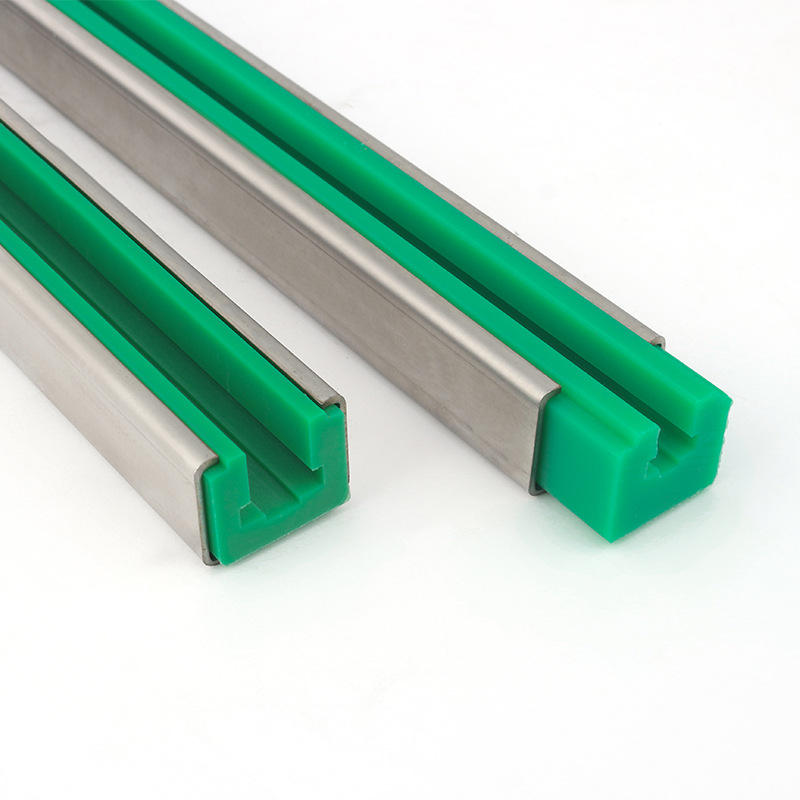
Understanding the Role of a Roller Chain Guide in Chain Systems
A Roller Chain Guide is designed to support and direct the chain along a defined path throughout its operation. Rather than allowing the chain to move freely or rely solely on sprockets, the guide maintains proper positioning and stability. This controlled guidance reduces unwanted lateral movement, prevents derailment, and ensures that the chain engages smoothly with other components. By maintaining consistent contact and alignment, a Roller Chain Guide creates an environment where the chain can operate under optimal conditions.
How a Roller Chain Guide Reduces Friction and Wear
Uncontrolled friction is one of the primary causes of chain degradation. When a chain rubs against metal surfaces or experiences uneven contact, wear accelerates rapidly. A quality Roller Chain Guide provides a low-friction surface that allows the chain to glide smoothly during motion. This reduction in friction minimizes surface abrasion, slows down elongation, and preserves the integrity of chain components. Over time, this controlled interaction significantly extends chain life.
The Impact of Roller Chain Guide Alignment on Chain Life
Proper alignment is critical to preventing uneven stress across the chain. A Roller Chain Guide ensures that the chain remains aligned throughout its travel path, reducing side loading and misalignment-related damage. When alignment is maintained, load distribution becomes more uniform, which helps prevent localized wear and fatigue. This balanced operation reduces the likelihood of chain stretching or cracking, ultimately supporting longer service life.
Material Quality and Its Influence on Roller Chain Guide Performance
The effectiveness of a Roller Chain Guide depends heavily on the materials used in its construction. High-performance polymers and engineered materials offer excellent wear resistance, low friction coefficients, and consistent performance under varying loads. These materials also resist corrosion and contamination, making them suitable for demanding industrial environments. Choosing a Roller Chain Guide made from durable materials directly contributes to extended chain life and stable long-term operation.
Roller Chain Guide Design Features That Support Longer Chain Life
Beyond material selection, thoughtful design plays a major role in protecting the chain. A well-engineered Roller Chain Guide features smooth contours, precise tolerances, and optimized contact surfaces. These design elements help reduce impact forces and prevent sharp transitions that could damage the chain. By guiding motion gently and consistently, the Roller Chain Guide minimizes mechanical stress and enhances overall system durability.
Preventing Chain Vibration and Shock Loads with a Roller Chain Guide
Vibration and shock loads are hidden enemies of chain longevity. Sudden changes in direction, speed fluctuations, or unsupported chain sections can introduce damaging forces. A Roller Chain Guide stabilizes chain movement and absorbs minor impacts before they reach critical components. This stability reduces noise, improves operational smoothness, and protects the chain from fatigue caused by repeated shock loads.
Maintenance Benefits of Using a High-Quality Roller Chain Guide
A reliable Roller Chain Guide not only extends chain life but also simplifies maintenance efforts. With reduced wear and fewer alignment issues, inspection intervals can be extended and replacement frequency lowered. Maintenance teams benefit from predictable performance and fewer emergency interventions. Over time, this leads to lower maintenance costs and improved equipment uptime.
Common Chain Problems Caused by Poor or Missing Roller Chain Guide
Without a properly designed Roller Chain Guide, chains are more vulnerable to derailment, uneven wear, and excessive noise. These issues often escalate quickly, resulting in shortened chain life and unexpected system failures. Poor guidance also increases stress on sprockets and bearings, further compounding maintenance challenges. Implementing a quality Roller Chain Guide helps eliminate these common problems at their source.
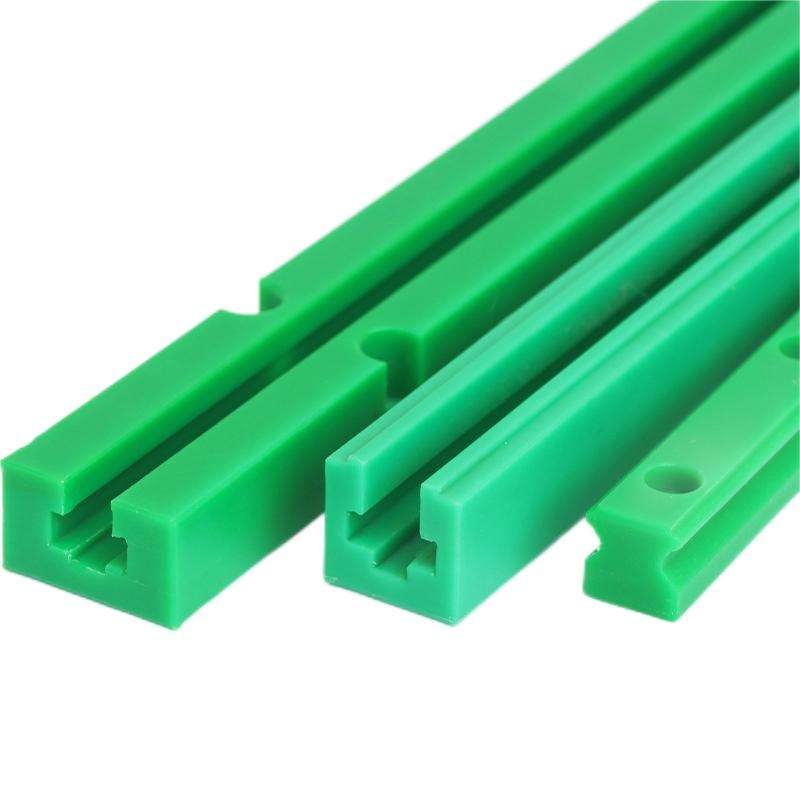
Choosing the Right Roller Chain Guide for Maximum Chain Life
Selecting the right Roller Chain Guide requires consideration of operating speed, load conditions, environmental exposure, and system layout. A guide that matches the application ensures optimal performance and long-term reliability. Investing time in proper selection pays off in the form of extended chain life and smoother system operation.
Investing in a Roller Chain Guide for Long-Term Efficiency
A quality Roller Chain Guide is more than a supporting component; it is a strategic investment in system longevity. By reducing friction, maintaining alignment, controlling vibration, and protecting against wear, a well-designed Roller Chain Guide plays a decisive role in extending chain life. For engineers and equipment designers focused on efficiency and durability, choosing the right Roller Chain Guide delivers lasting value and dependable performance.