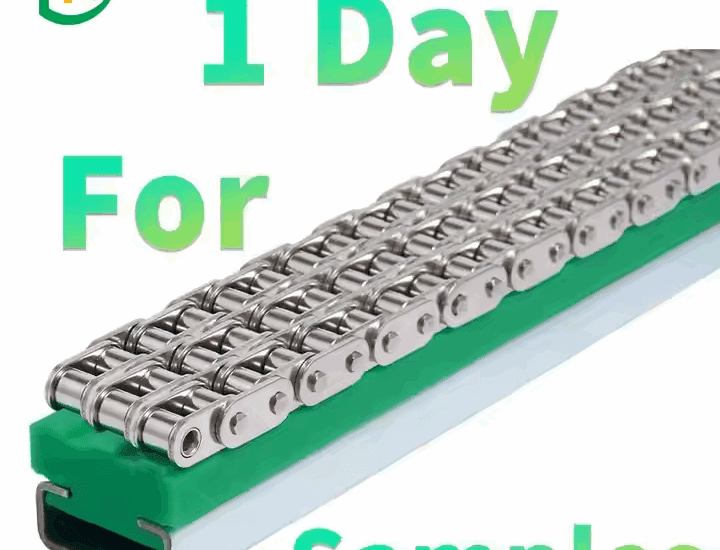
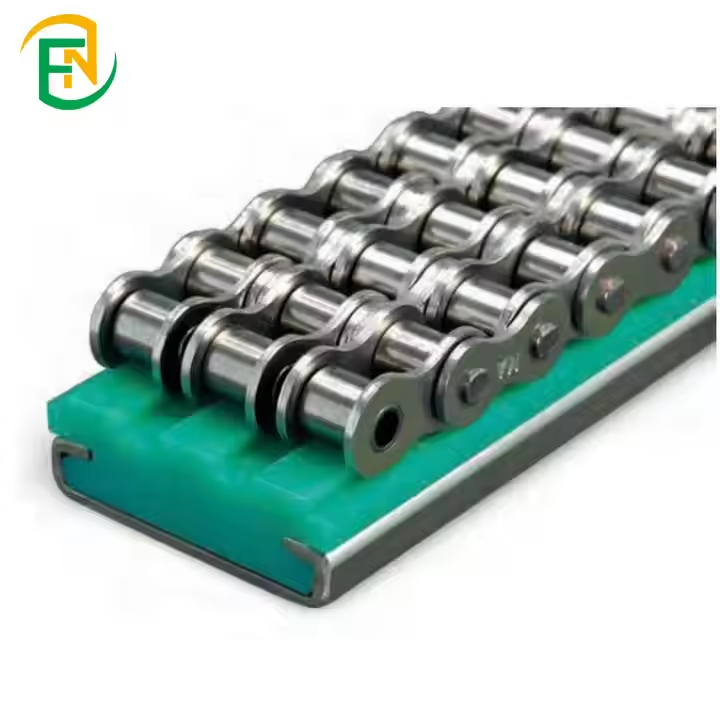
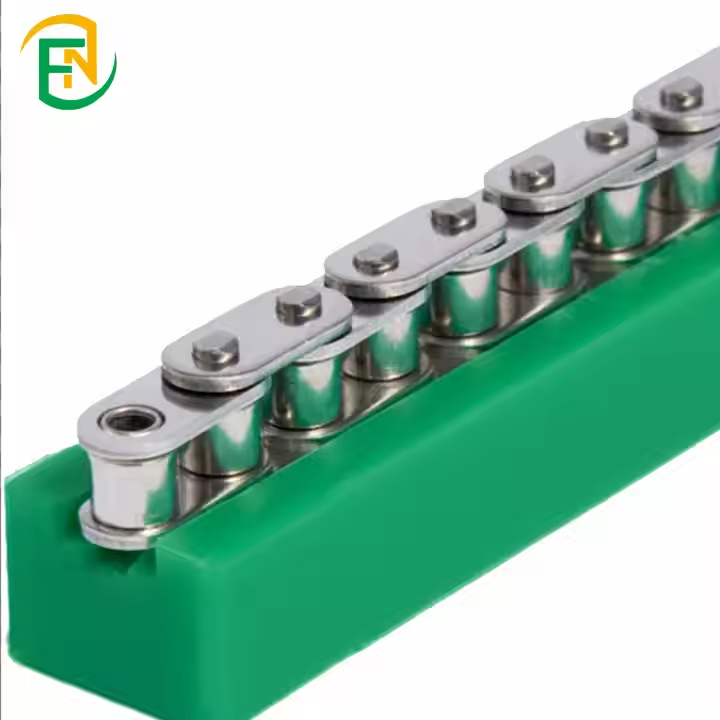
In industrial environments, chain systems are the unsung workhorses that power conveyor belts, assembly lines, and material handling equipment. However, the maintenance demands of these critical components often become a silent drain on operational budgets. Traditional chain guides, tasked with keeping chains aligned and reducing friction, frequently fall short due to material limitations and design flaws, leading to excessive wear, frequent adjustments, and costly downtime. As businesses strive to optimize efficiency and cut unnecessary expenses, advanced chain guides have emerged as a game-changing solution. By leveraging cutting-edge materials and engineering, these innovative components not only enhance system reliability but also deliver a proven 50% reduction in maintenance costs. This article explores how modern chain guide technology addresses long-standing challenges, the tangible benefits of adoption, and practical steps to implement these savings-driven upgrades.
The Problem with Traditional Chain Guides
Traditional chain guides, often constructed from basic plastics or metals, are ill-equipped to handle the rigorous demands of modern industrial environments. Standard plastic guides, for example, are prone to rapid abrasion due to constant contact with chains, leading to grooves and misalignment that force frequent replacements—sometimes as often as every few months. Metal guides, while more durable, suffer from high friction and noise, requiring regular lubrication to prevent heat buildup and wear. This reliance on manual lubrication not only increases labor costs but also poses risks of over-lubrication (which attracts debris) or under-lubrication (causing metal-to-metal contact). Additionally, the lack of precision in traditional designs means chains are more likely to sag or derail, necessitating time-consuming realignments and unplanned downtime. For facilities with multiple chain systems, these cumulative maintenance tasks can consume thousands of dollars annually in labor, replacement parts, and lost productivity.
How Advanced Chain Guides Revolutionize Maintenance
Advanced chain guides leverage cutting-edge materials and engineering to address these shortcomings. High-performance polymers like ultra-high-molecular-weight polyethylene (UHMWPE) and self-lubricating nylons offer superior abrasion resistance, reducing wear by up to 80% compared to traditional plastics. These materials incorporate embedded lubricants or surface coatings that minimize friction without external application, eliminating the need for frequent greasing. Precision-machined designs, often optimized using computer-aided engineering (CAE), ensure tight tolerances and seamless chain engagement, reducing vibration and misalignment risks. Modular configurations further simplify maintenance: instead of replacing entire guide systems, technicians can swap out only worn segments, cutting repair time by half. Some advanced models even feature anti-static or corrosion-resistant properties, making them ideal for harsh environments like food processing or outdoor logistics.
The 50% Maintenance Cost Reduction Breakdown
The financial impact of upgrading to advanced chain guides stems from four key areas:
Reduced Downtime: With longer lifespan and minimal need for adjustments, systems can operate for 2–3 years without major maintenance, compared to traditional guides’ 6–12 month cycles. For a manufacturing line losing $1,000 per hour in downtime, this translates to thousands saved annually.
Lubrication Efficiency: Self-lubricating guides eliminate 90% of manual lubrication tasks, cutting labor costs and lubricant waste. A logistics company, for example, reduced its annual lubricant spend from $5,000 to $500 after upgrading.
Durability Savings: High-quality polymers withstand heavy loads and harsh conditions, extending replacement intervals. One automotive plant saw guide replacement costs drop from $20,000 annually to $10,000 by switching to advanced models.
Energy Optimization: Lower friction means chains require less energy to operate, reducing utility bills by 5–10% in some cases. Over time, these savings compound, further justifying the initial investment.
Real-World Applications and Case Studies
A leading food processing facility struggled with frequent chain derailments and lubricant contamination in its packaging lines, costing $30,000 annually in maintenance and product waste. After installing anti-static, food-grade chain guides with integrated wear indicators, the company reduced unplanned downtime by 60% and eliminated lubricant-related rejects. Maintenance costs dropped to $15,000 per year—a 50% savings. Similarly, a logistics warehouse using outdated metal guides in its conveyor systems faced monthly repairs and high noise levels. Upgrading to modular, self-lubricating guides cut maintenance hours from 40 per month to 20, while extending guide life from 12 to 36 months. The $20,000 upgrade paid for itself in just eight months through labor and parts savings.
Key Considerations for Implementing Advanced Chain Guides
To maximize ROI, start by auditing your current system: assess chain speed, load capacity, and environmental factors (e.g., heat, moisture, debris). Partner with suppliers who offer site surveys and custom solutions—for instance, selecting UHMWPE guides for high-speed applications or stainless steel-reinforced models for heavy loads. During installation, prioritize precise alignment using laser tools to avoid premature wear. Training technicians on modular replacement procedures can further streamline future maintenance. Finally, track performance metrics like downtime hours and lubricant usage to quantify savings and identify areas for further optimization.
Future Trends in Chain Guide Technology
The next generation of chain guides is set to integrate smart technologies, such as embedded sensors that monitor wear and transmit data to predictive maintenance systems. This “predict-and-prevent” approach will enable timely replacements before failures occur, further reducing unplanned downtime. Eco-friendly innovations are also gaining traction, with biodegradable polymers and recycled materials becoming standard in sustainable manufacturing practices. Additionally, 3D-printed custom guides may soon offer on-demand, cost-effective solutions for niche applications, eliminating the need for mass production and inventory storage.
Invest in Efficiency, Reap Long-Term Savings
Advanced chain guides are more than just replacement parts—they are strategic investments in operational efficiency. By addressing the root causes of maintenance burdens, these technologies deliver tangible savings while enhancing safety, sustainability, and productivity. Whether you manage a high-speed assembly line or a large-scale logistics network, the 50% maintenance cost reduction achievable through modern chain guides proves that upgrading to precision-engineered solutions is not just a cost-cutting measure but a pathway to future-proofing your operations. Take the first step today by evaluating your chain systems and embracing the innovation that leading industries now rely on to stay competitive.
How can we help you?
You can contact your account manager directly or submit a business inquiry online.