
- January 4, 2026
- Posted by: feinuojixie
- Category: Chain Guides News
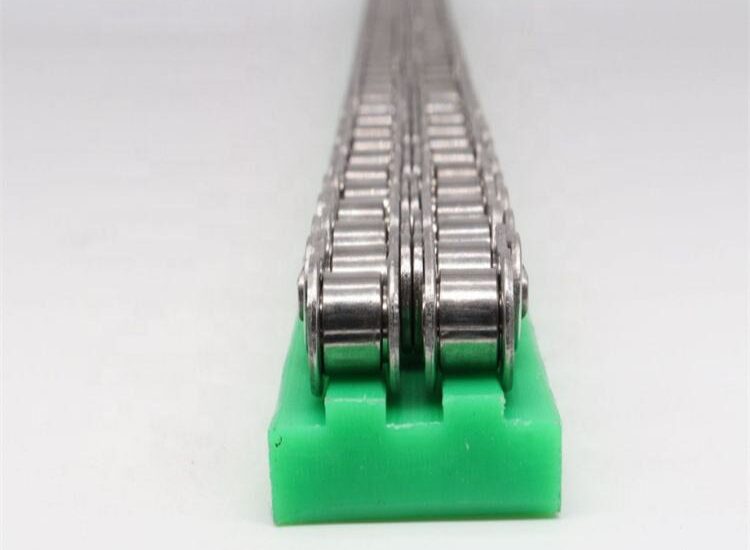
Long-term operational stability refers to a system’s ability to maintain consistent performance, accuracy, and reliability throughout its service life. In chain-driven systems, instability often appears gradually in the form of increased vibration, uneven wear, misalignment, and unexpected downtime. These issues rarely result from the chain alone but instead arise from inadequate control of chain movement. This is where chain guides for roller chain become a critical design element rather than an optional component.
The Functional Role of Chain Guides for Roller Chain in System Stability
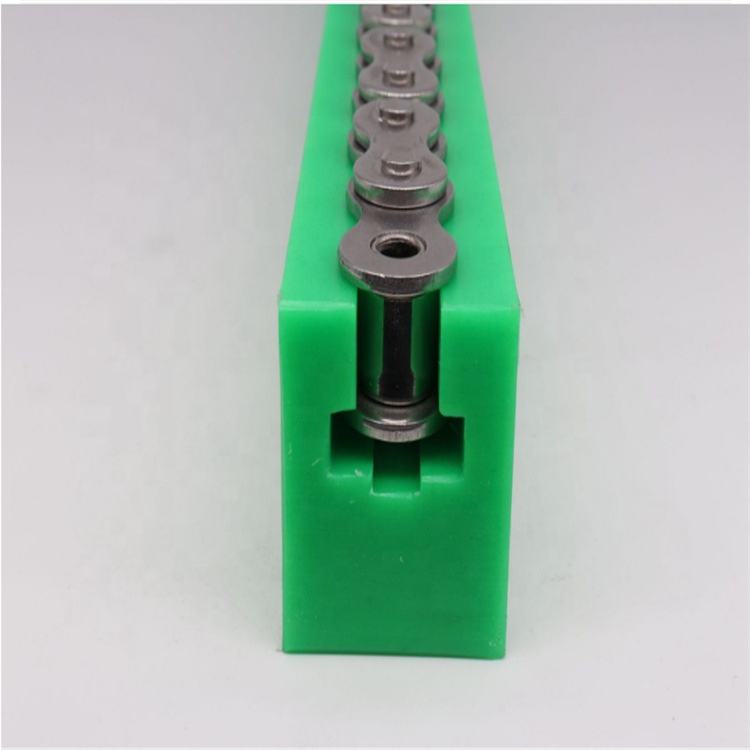
Chain guides for roller chain provide continuous physical guidance that keeps the chain on its intended path. By constraining lateral movement and supporting vertical alignment, they prevent the chain from wandering, oscillating, or contacting surrounding components. This controlled motion is essential for maintaining consistent engagement with sprockets, which directly contributes to stable torque transmission and predictable system behavior over time.
How Chain Guides for Roller Chain Reduce Wear and Fatigue Over Time
Uncontrolled chain movement creates micro-impacts and fluctuating loads that accelerate wear on pins, rollers, and sprockets. Chain guides for roller chain reduce these effects by minimizing vibration and smoothing the chain’s travel path. Over extended operation, this reduction in dynamic stress significantly slows fatigue progression, allowing the system to operate reliably for longer periods without performance degradation.
The Impact of Chain Guides for Roller Chain on Load Distribution
Stable systems depend on even load distribution. When a chain deviates from its intended alignment, loads become concentrated on specific contact points, increasing the risk of localized failure. Chain guides for roller chain help maintain consistent chain geometry, ensuring that loads are shared evenly across the chain and sprocket interface. This balanced load distribution is a key contributor to long-term operational stability.
Material Selection in Chain Guides for Roller Chain and Its Effect on Longevity
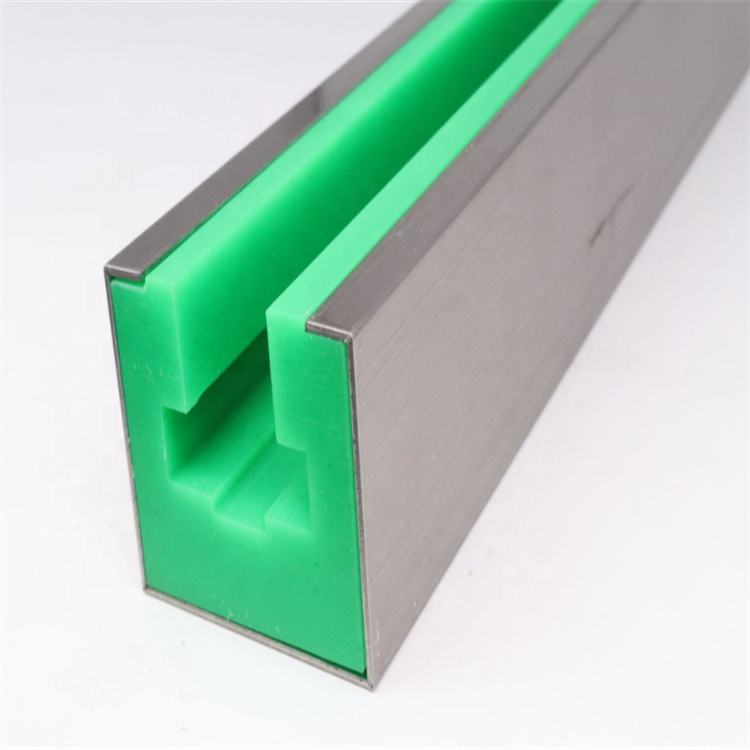
The material used in chain guides for roller chain directly influences friction levels, noise behavior, and resistance to environmental factors such as moisture, chemicals, or temperature extremes. Engineered polymers with low friction coefficients help maintain smooth motion while resisting deformation under load. Selecting the appropriate material ensures that the guide itself remains stable over time, preventing performance loss that could compromise the entire system.
Chain Guides for Roller Chain in High-Duty and Continuous Operation Environments
In high-duty or continuous operation environments, even minor instability can escalate into major system failures. Chain guides for roller chain provide the consistency required for these demanding applications by maintaining alignment under constant load and speed variations. Their role becomes especially important in automated production lines where uninterrupted operation and precise timing are essential for overall process stability.
How Chain Guides for Roller Chain Improve Predictable Maintenance Planning
Operational stability is closely tied to maintenance predictability. Systems equipped with chain guides for roller chain experience more uniform wear patterns, making inspection results easier to interpret. This consistency allows maintenance teams to plan service intervals based on actual performance trends rather than reacting to unexpected failures, ultimately improving uptime and resource efficiency.
Design and Installation Considerations for Stable Long-Term Performance
Even the best chain guides for roller chain require proper design integration and installation to deliver long-term stability. Accurate alignment with the chain path, secure mounting, and appropriate clearances are essential. When these factors are addressed during the design phase, the guide becomes a permanent stabilizing element that supports reliable operation throughout the system’s lifecycle.
Economic Benefits of Using Chain Guides for Roller Chain for Long-Term Stability
From an economic perspective, stability reduces costs in multiple areas. Chain guides for roller chain help lower replacement frequency, reduce downtime-related losses, and minimize labor costs associated with frequent adjustments. Over time, these savings accumulate, making guided systems more cost-effective than designs that rely on the chain alone.
Building Stable Systems with Chain Guides for Roller Chain
Long-term operational stability is not achieved through reactive maintenance but through proactive design. Chain guides for roller chain play a central role in controlling motion, reducing wear, balancing loads, and supporting predictable operation. By integrating them into system design from the beginning, manufacturers and engineers can build chain-driven systems that remain stable, efficient, and reliable over the long term.