
- September 15, 2025
- Posted by: feinuojixie
- Category: Chain Guides News

In modern manufacturing, speed has become the ultimate driver of competitiveness. Production lines are expected to deliver more output in less time without sacrificing quality. However, achieving high speed consistently requires more than just advanced machinery—it depends on the small, often overlooked components that keep everything running smoothly. One such element is the chain wear strip. By ensuring that chains move efficiently, with less friction and wear, the chain wear strip plays a crucial role in boosting productivity, preventing downtime, and maintaining precision in demanding high-speed environments.

Understanding the Function of a Chain Wear Strip
A chain wear strip is a guiding and supporting element that works hand in hand with the chain in conveyor and production systems. It is typically made of durable, low-friction material and is positioned beneath or alongside the chain path. Its purpose is simple yet powerful: to provide a stable track that reduces unnecessary wear and keeps the chain aligned. Without a chain wear strip, chains are more likely to experience uneven contact, leading to premature failure and operational inefficiencies. By offering a reliable support surface, the chain wear strip ensures smoother operation at high speeds, where precision matters most.
Chain Wear Strip as a Key to Reducing Friction and Energy Loss
One of the biggest challenges in high-speed production is managing friction. Excessive resistance not only slows down chain movement but also puts additional strain on motors and drives. Over time, this leads to higher energy consumption and potential overheating issues. A chain wear strip solves this by reducing surface friction between the chain and conveyor frame. The smoother the movement, the less power is required to maintain speed, which translates directly into energy savings. By lowering energy loss, a chain wear strip contributes to leaner, more efficient operations.
Enhancing Durability and Reliability with a Chain Wear Strip
High-speed production lines subject chains to intense stress. Continuous motion at elevated speeds increases the risk of wear and tear, leading to costly breakdowns. A chain wear strip protects the chain by absorbing much of the direct contact that would otherwise wear down the links. This protective barrier extends the service life of both the chain and the conveyor system. As a result, the frequency of maintenance is reduced, and the reliability of the line is significantly improved. In industries where downtime translates into lost revenue, this durability advantage cannot be overstated.
Chain Wear Strip for Noise Reduction in High-Speed Lines
Another critical factor in fast-paced production is noise control. Chains moving at high speed can create vibrations and loud operational sounds, which are not only disruptive but can also contribute to worker fatigue. A chain wear strip helps to minimize this issue by stabilizing chain movement and dampening vibration. The result is a quieter, more comfortable work environment. Beyond employee well-being, reduced vibration also means less mechanical stress on surrounding equipment, further extending the life of the production system.
The Role of a Chain Wear Strip in Maintaining Consistent Output
Consistency is the backbone of production quality. When chains deviate from their intended path, even slightly, it can lead to misaligned processes, uneven product quality, or rejected batches. A chain wear strip helps maintain proper chain alignment, ensuring that every movement is precise and predictable. This stability means fewer errors, less rework, and more consistent output. For manufacturers competing in markets where precision and speed are critical, this consistency is a direct advantage.
Cost Efficiency Through Chain Wear Strip Integration
Every manufacturer is concerned with cost control, and a chain wear strip offers a clear return on investment. By reducing chain wear, lowering maintenance frequency, and minimizing downtime, it helps keep operating costs under control. Chains last longer, motors consume less energy, and replacement schedules are extended. The cumulative effect is a production line that not only operates more efficiently but also delivers long-term financial benefits. Viewed from this perspective, a chain wear strip is not merely a support part but a tool for cost optimization.
Selecting the Right Chain Wear Strip for High-Speed Production
Choosing the appropriate chain wear strip is essential to unlocking its benefits. Factors such as material strength, temperature resistance, and compatibility with chain type all play a role in performance. For high-speed production environments, strips made from high-grade polymers or specialized composites are often the best choice due to their ability to withstand continuous motion with minimal friction. Tailoring the selection to the specific production line ensures that the wear strip enhances efficiency rather than becoming a weak link. Investing in high-quality chain wear strips from trusted suppliers can make a measurable difference in overall system performance.
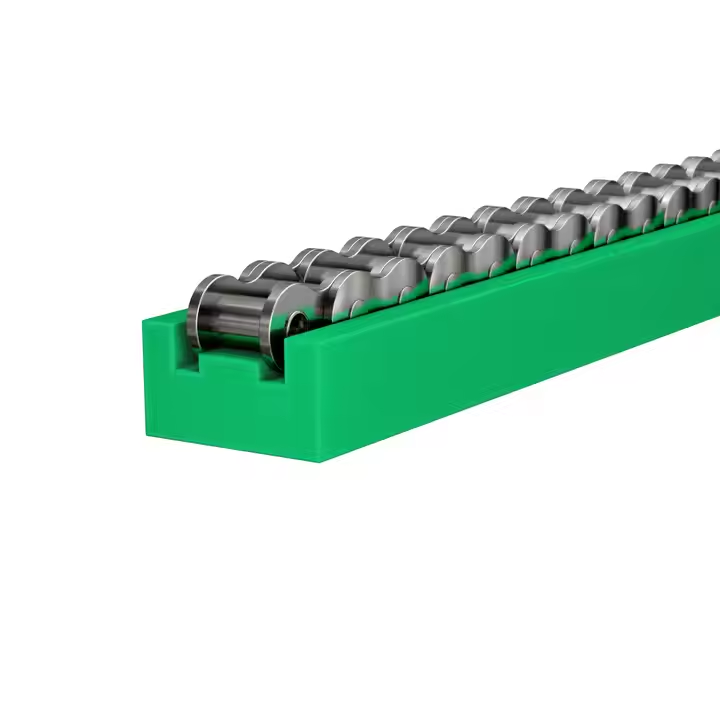
The Strategic Value of a Chain Wear Strip in High-Speed Production
While it may appear to be a small component, the chain wear strip has a major impact on the efficiency and reliability of high-speed production systems. By reducing friction, lowering noise, extending service life, and ensuring consistent chain alignment, it enhances both productivity and cost savings. For manufacturers striving to meet growing demands, a chain wear strip is not just an accessory—it is a strategic investment that directly contributes to performance and profitability. Incorporating the right chain wear strip is one of the simplest yet most effective ways to keep production lines running at peak efficiency.