
- November 18, 2025
- Posted by: feinuojixie
- Category: Injection Molding News

High-precision injection molding automotive part is becoming a defining element in today’s competitive automotive manufacturing landscape. As automakers push for faster turnaround, reduced cost, and uncompromising quality, precision-engineered component play an increasingly vital role. These highly accurate part help eliminate variation, strengthen product reliability, and improve efficiency from design to mass production. When every millimeter counts, precision molding ensures that each part fits, functions, and performs exactly as required, supporting a streamlined and cost-effective manufacturing process.
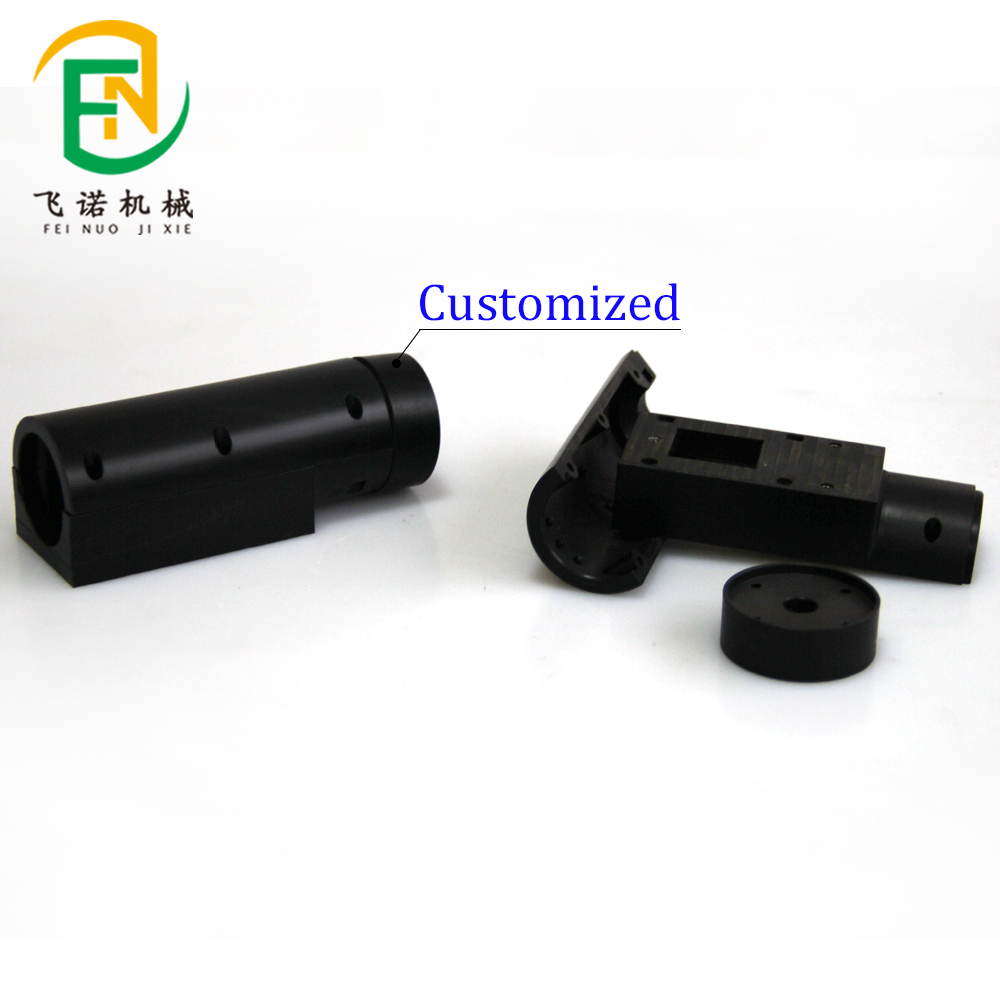
The Role of High-Precision Injection Molding Automotive Part in Streamlining Production
High-precision injection molding automotive part plays a critical role in eliminating errors and enhancing production stability. When molds are engineered with exact dimensions and balanced flow, manufacturers experience fewer deviations during molding cycles. This reduces scrap, minimizes rework, and ensures every component meets specification the first time. Precision also accelerates cycle performance. With optimized cavity design, cooling channel placement, and part geometry, manufacturers can shorten each molding cycle without compromising quality. Faster molding cycles multiplied across thousands of parts result in significantly higher throughput and improved operational efficiency.
How Precision Reduces Production Errors
A high-precision injection molding automotive part helps stabilize dimensional accuracy throughout the entire production run. This level of consistency eliminates defects caused by uneven filling, poor venting, or misalignment. When components come out of the mold with minimal variation, downstream processes such as assembly, painting, and inspection operate more smoothly. Operational teams can trust that each part adheres to tolerance, which reduces bottlenecks and quality-related stoppages.
Faster Cycle Time With Precision Engineering
Precision manufacturing allows optimized resin flow, reduced cooling imbalances, and minimal internal stress. These enhancements enable shorter wait times between molding cycles and more predictable part ejection. The result is a seamless production rhythm that maximizes machine usage and increases daily output while maintaining exceptional part quality.
Material Selection Strategies for High-Precision Injection Molding Automotive Part
Choosing the right material is fundamental to producing a reliable high-precision injection molding automotive part. Engineering resin such as ABS, PC, PBT, and PA6 offer excellent structural stability, making them ideal for high-accuracy component. Their ability to maintain dimensional integrity under temperature fluctuation helps ensure consistent molding performance. Understanding resin shrinkage, melt flow index, and thermal expansion is essential. When manufacturers select materials that match both product design and performance expectations, they reduce defect risk and contribute to a smoother, more efficient production line.
How Material Behavior Impacts Manufacturing Efficiency
Material behavior influences component warpage, cooling time, and long-term reliability. A well-chosen resin helps maintain tight tolerances and reduce variations during molding. Predictable material performance also allows more stable cycle time planning and reduces unexpected adjustments, ultimately boosting manufacturing efficiency.
Design Optimization for Efficiency in Injection Molding Automotive Part
Design plays a significant role in manufacturing success. A well-optimized injection molding automotive part design ensures smooth resin flow, uniform shrinkage, and predictable performance. Consistent wall thickness is crucial—it allows even cooling and prevents sink marks or deformation. Proper gating, venting, and cooling channel design further enhance mold reliability. When designers integrate precision from the start, they eliminate unnecessary finishing steps, creating a streamlined workflow that saves time and cost.
Reducing Secondary Operation Through Better Design
A high-precision design minimizes the need for trimming, drilling, assembly, or smoothing after molding. The fewer secondary operations required, the faster the overall production cycle. Reducing these tasks not only increases efficiency but also ensures part accuracy is preserved without additional manual intervention.
How Automation Enhances the Production of High-Precision Injection Molding Automotive Part
Automation is transforming how manufacturers produce high-precision injection molding automotive part. Robotics support consistent part removal, placement, and packaging, eliminating variation caused by manual handling. Automated quality checks using cameras and sensors further ensure every part meets exact standards. With digital monitoring and real-time production data, manufacturers can adjust parameters instantly. This reduces defective output and ensures maximum uptime.
Digital Process Monitoring Boosting Efficiency
Smart manufacturing systems track melt temperature, pressure, cycle time, and ejection performance. Continuous monitoring helps identify potential issues before they escalate. This results in fewer stoppages and a more predictable molding process. The integration of Industry 4.0 technology significantly improves the reliability and repeatability of every injection molding automotive part.
Quality Control Practices That Maximize the Value of Injection Molding Automotive Part
High-precision injection molding automotive part benefits greatly from modern quality control methods. Dimensional inspection tools such as CMM, laser scanners, and vision systems verify design conformity with remarkable accuracy. In-mold sensors measure temperature and pressure in real time, helping teams identify subtle deviations. Preventive maintenance—such as regular mold cleaning, lubrication, and alignment checks—reduces downtime and keeps production stable. Proper machine calibration and mold care extend equipment life and ensure consistently high-quality output.
Cost Advantages of Using High-Precision Injection Molding Automotive Part
Precision reduces error rate, material waste, and rework. Each defect eliminated saves time, labor, and raw material. Over time, these savings accumulate into substantial cost benefits. Predictable production schedules also lower operational risk. Manufacturers can run more shifts with confidence, manage inventory effectively, and deliver orders with greater reliability. High-precision part ultimately creates a more profitable and efficient manufacturing environment.
Real-World Applications: How Automotive Companies Benefit From High-Precision Injection Molding Automotive Part
Automotive manufacturers rely on precision-molded component for both interior and exterior applications, including dashboard frames, structural brackets, housing, lighting parts, and sensor component. These application demand tight tolerances and flawless repeatability. Precision molding supports advanced EV development by enabling lightweight, high-strength components essential for battery systems and aerodynamic structures. As vehicles become more intelligent and electrified, precision components ensure sensors, electronic housing, and functional parts operate with reliability and stability.
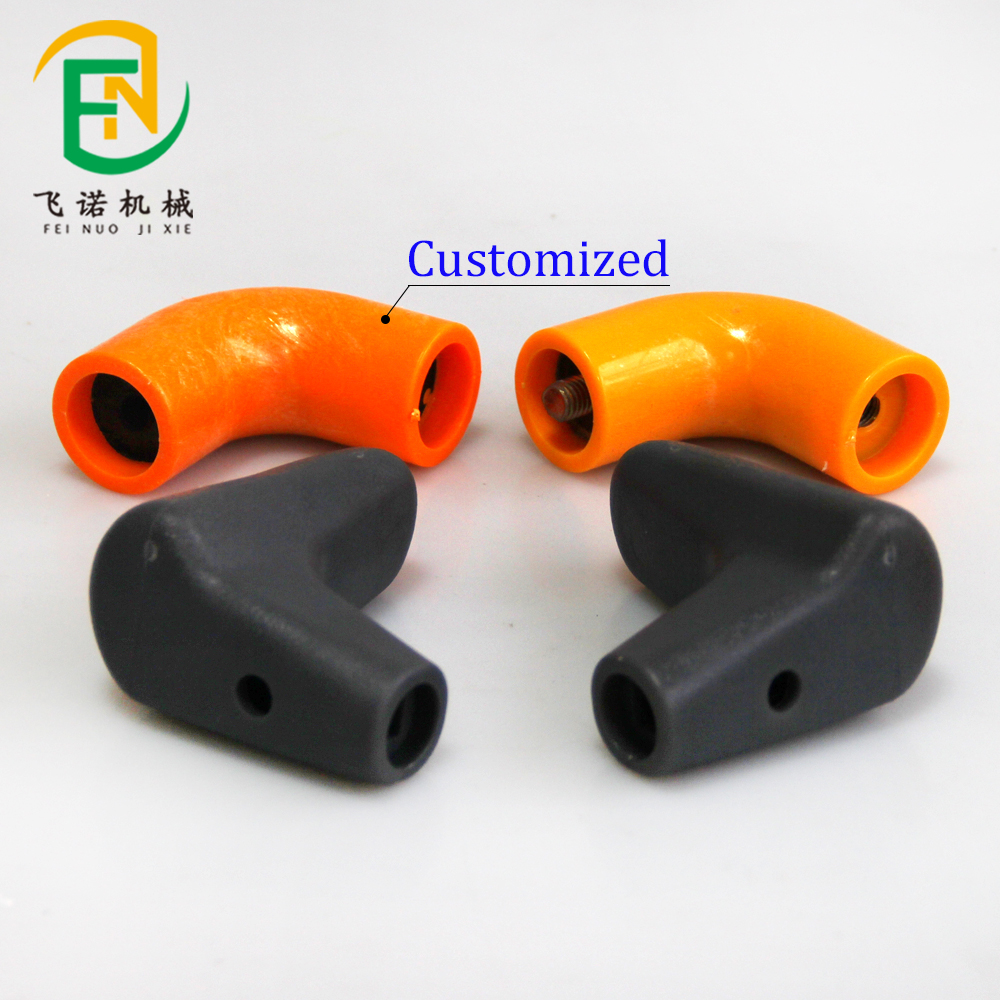
How Precision Supports EV and Lightweighting Strategies
The push toward lighter vehicles and higher energy efficiency makes precise plastic component more important than ever. High-precision injection molding automotive part enables the creation of thinner, lighter structures without sacrificing strength. This supports emission reduction goals and enhances EV driving range. Consistent dimensional performance is especially important for tight engineering spaces found in modern EV platforms.
High-Precision Injection Molding Automotive Part as the Future of Automotive Manufacturing Efficiency
High-precision injection molding automotive part has become a cornerstone of modern automotive manufacturing. From improving accuracy and productivity to enabling automation and reducing cost, precision molding offers unmatched advantages. As the automotive industry continues to evolve, manufacturers that invest in precision technology will gain a decisive edge in efficiency, performance, and competitive power. In an era where quality and speed define market success, high-precision injection molding automotive part stands as a key driver shaping the future of automotive production.