
- October 24, 2025
- Posted by: feinuojixie
- Category: Injection Molding News
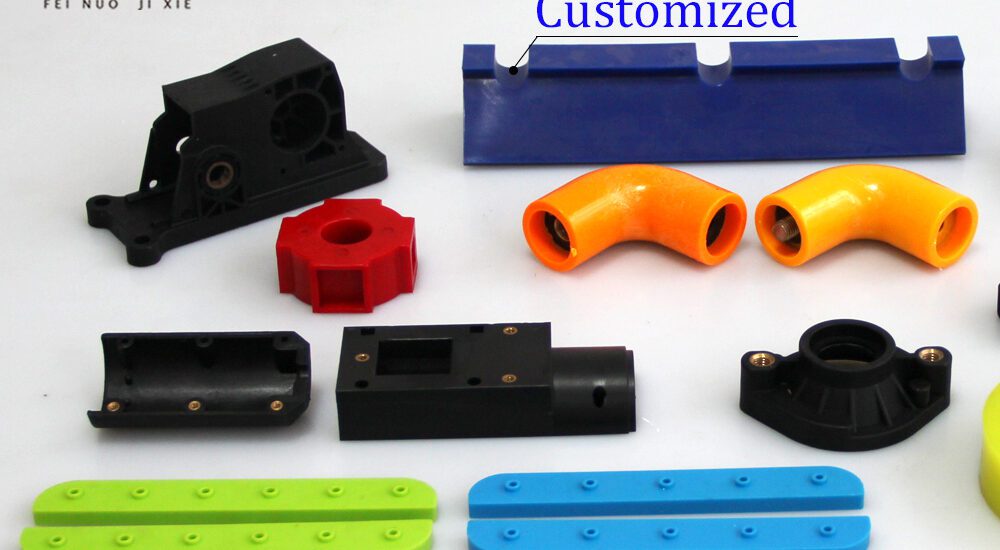
Design today is no longer limited by traditional manufacturing constraints. Across industries, injection molded part have emerged as a silent revolution—reshaping how products look, feel, and function. Once seen as a purely practical solution for mass production, injection molding has evolved into a powerful design enabler. Whether it’s the sleek contours of a smartphone, the aerodynamic body of a car, or the ergonomic grip of a medical device, molded components are at the heart of the world’s most innovative designs.
As technology advances, designers are discovering that injection molding offers a rare combination of precision, scalability, and freedom. It allows creative ideas to move from sketch to reality with unmatched efficiency, empowering engineers and artists alike to redefine what’s possible. This evolution is not just transforming manufacturing—it’s reshaping the future of design itself.
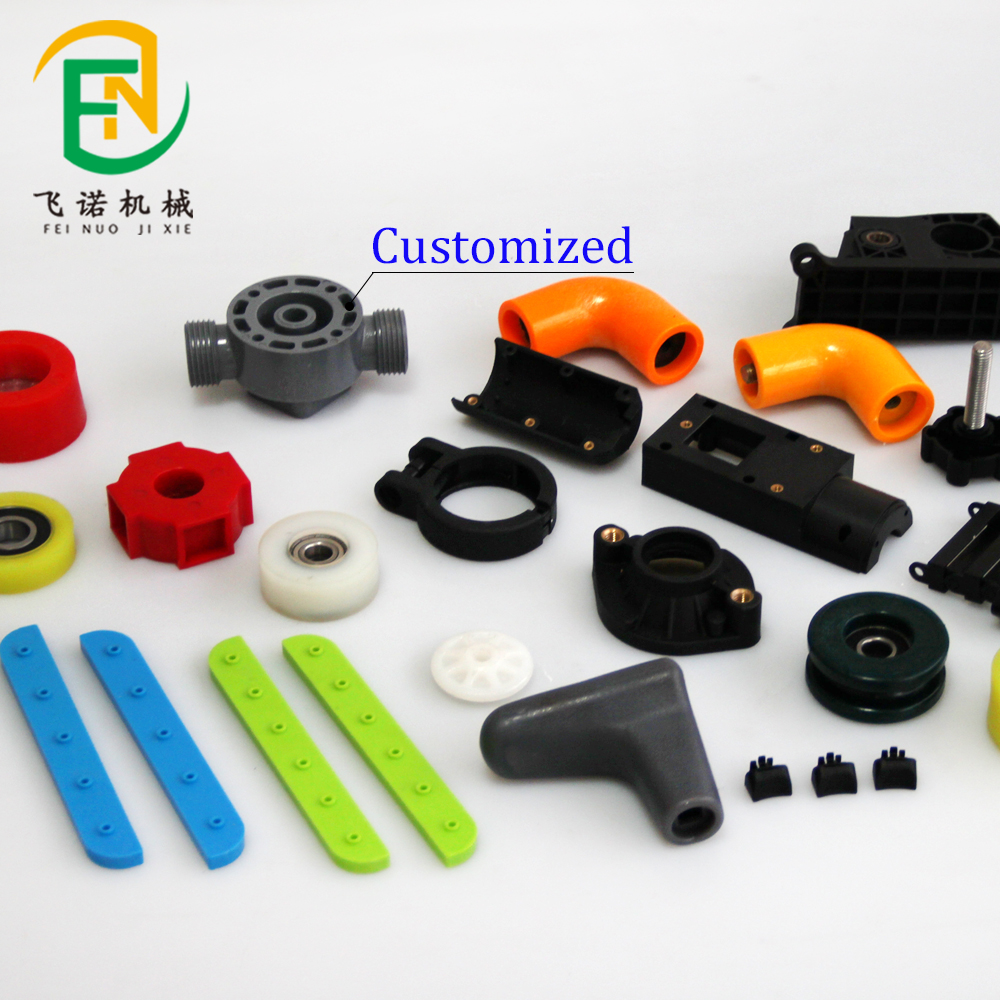
The Evolution of Injection Molded Part in Product Design
The story of injection molded part is one of constant innovation. Originally valued for their practicality and efficiency, molded components were once seen as the backbone of functional design—used to produce strong, reliable parts at scale. However, modern design thinking has expanded their role far beyond functionality. Today, they serve as a medium of artistic and ergonomic expression, blending aesthetics with performance in ways that were once unimaginable.
This evolution owes much to advances in materials science. The introduction of high-performance polymers, composites, and thermoplastic elastomers has transformed how designers approach form and structure. These materials make it possible to achieve finishes that rival metal, colors that stay vibrant for years, and textures that enhance user experience. As a result, injection molded part now bridge the gap between beauty and practicality, helping products stand out both visually and functionally.
Why Injection Molded Part Empower Designers Like Never Before
Designers thrive on freedom—the ability to bring any concept to life without compromise. Injection molding offers exactly that. Through the precision of modern tooling, intricate details such as fine surface textures, lattice structures, and organic curves can be realized at scale. Complex geometries that were once impossible to produce are now achievable with remarkable consistency.
Beyond creativity, injection molding also enhances efficiency. Digital simulation tools allow designers to validate their concepts before a single mold is cut. By predicting material flow, shrinkage, and potential defects, they can make smarter design decisions early in the process. This not only speeds up prototyping but also reduces waste and production costs.
Another major advantage lies in scalability. Once a design is perfected, it can be reproduced thousands—or even millions—of times with minimal variation. This balance between creativity and reliability gives injection molding a unique edge, making it a preferred method for bringing visionary designs to the global market.
Innovative Design Trends Driven by Injection Molded Part
Modern design trends are deeply intertwined with the capabilities of injection molding. One key trend is lightweighting, where designers reduce material use without sacrificing strength. This approach is especially critical in automotive and aerospace industries, where every gram saved improves performance and efficiency. With advanced polymers, molded components can replace heavier materials while maintaining structural integrity.
Sustainability is another driving force. Designers now prioritize eco-friendly materials and processes that reduce environmental impact. Biodegradable and recycled plastics are being used to create molded parts that not only perform well but also align with global sustainability goals.
Furthermore, the trend of functional integration is reshaping product design. Instead of assembling multiple components, designers can merge them into a single molded part—simplifying production, reducing costs, and enhancing product reliability. Aesthetic possibilities are also expanding. With precise mold texturing, transparency control, and advanced coloring techniques, injection molded part can achieve premium finishes and tactile experiences that appeal to modern consumers.
How Injection Molded Part Support Emerging Technologies
As industries embrace new technologies, injection molded part continue to play a vital role in enabling innovation.
In electric vehicles, for example, molded components help reduce overall weight while maintaining durability and safety. Battery housings, interior trims, and even structural parts are now being molded with precision, optimizing performance and efficiency.
In the medical field, injection molding supports the creation of highly precise and hygienic components—from surgical instruments to patient care devices. These parts must meet strict standards for biocompatibility, cleanliness, and comfort, and molding technology makes it possible to meet all three.
In consumer electronics, the impact is equally profound. The slim, seamless, and durable designs of smartphones, earbuds, and wearables owe much to injection molded part. Their ability to deliver complex forms with tight tolerances ensures both beauty and functionality—a combination that defines today’s high-end tech products.
The Future of Design: Where Injection Molding Meets Innovation
The next frontier for injection molded part is being shaped by digitalization, sustainability, and material science. Artificial intelligence is now entering the design process, enabling AI-driven mold design that predicts material flow, optimizes cooling channels, and minimizes defects before production even begins. This means faster turnaround, higher precision, and lower costs.
The rise of sustainable materials marks another major shift. Bioplastics derived from renewable resources and fully recyclable polymers are redefining what it means to design responsibly. Injection molding will continue to lead this transformation, making sustainability not just a goal but a standard practice.
Finally, on-demand manufacturing will revolutionize how molded parts are produced. With the integration of smart factories and digital twins, production lines will adapt instantly to changing market needs. Designers will be able to customize parts in real time, offering consumers more personalized and eco-conscious products than ever before.
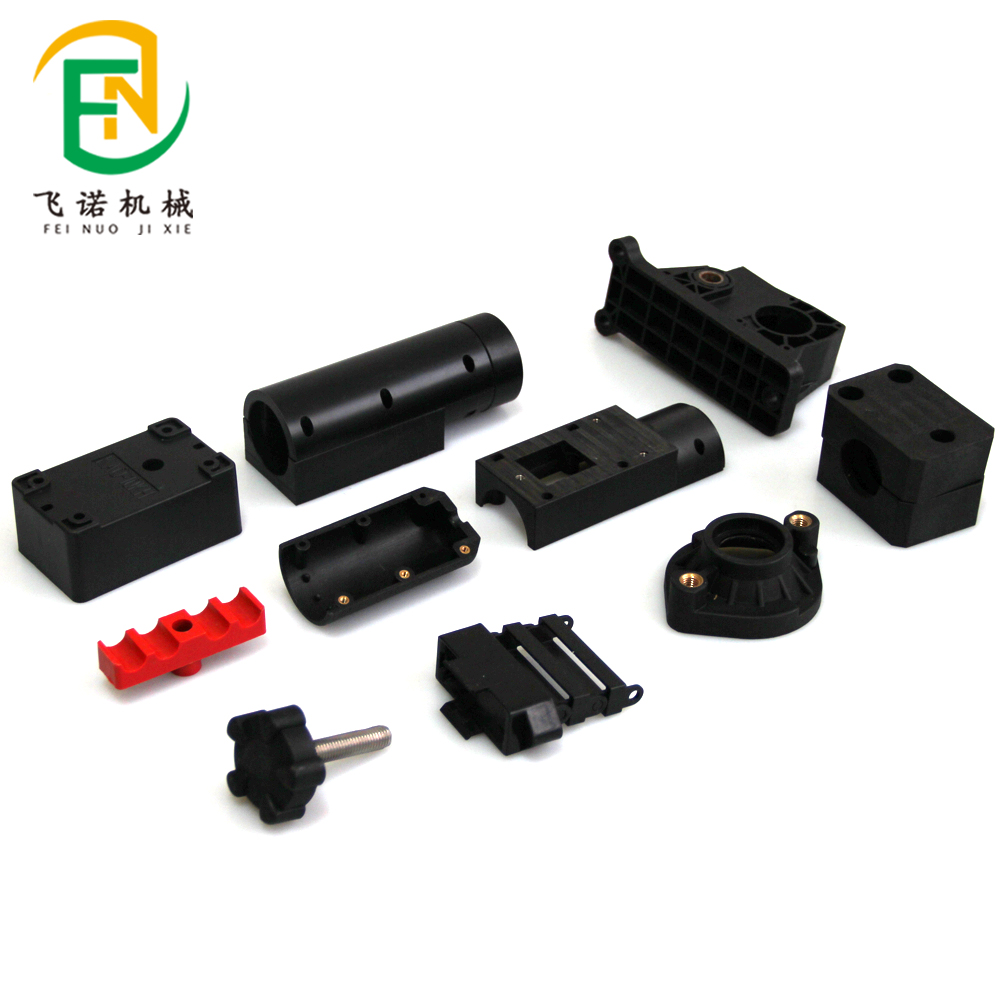
Designing Tomorrow with Injection Molded Part
Injection molded part have moved far beyond their industrial roots to become a cornerstone of modern design innovation. Their influence stretches across every field—from automotive and electronics to healthcare and consumer goods—transforming ideas into tangible, high-performance products that shape the way we live.
As designers continue to push boundaries, injection molding remains their most powerful ally, offering the perfect blend of creativity, efficiency, and sustainability. In a world that demands both beauty and practicality, injection molded part are not just shaping the future of design—they are defining it.