
- October 28, 2025
- Posted by: feinuojixie
- Category: Injection Molding News
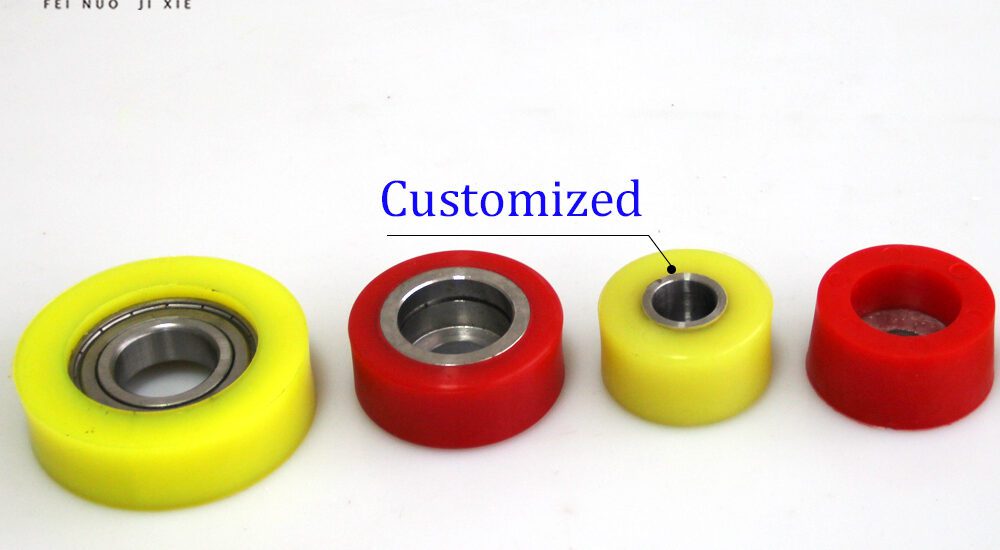
In the fast-evolving world of modern manufacturing, injection molding mold parts stand quietly behind almost every product we use—yet their impact is enormous. From the precision housing of smartphones to the sturdy components in automobiles, these mold parts serve as the backbone of production efficiency and product excellence.
At their core, injection molding mold parts determine the accuracy, speed, and reliability of the entire manufacturing process. They shape raw materials into perfect forms, ensuring each product meets the highest standards of precision and durability. As industries demand faster turnaround times and flawless consistency, the importance of advanced mold parts has grown exponentially.
Today’s manufacturers are not only relying on traditional molding methods but also embracing cutting-edge technologies that enhance the capabilities of these essential tools. As we move deeper into the era of automation and smart factories, injection molding mold parts are evolving into intelligent, adaptive systems—setting new benchmarks for performance, quality, and sustainability.
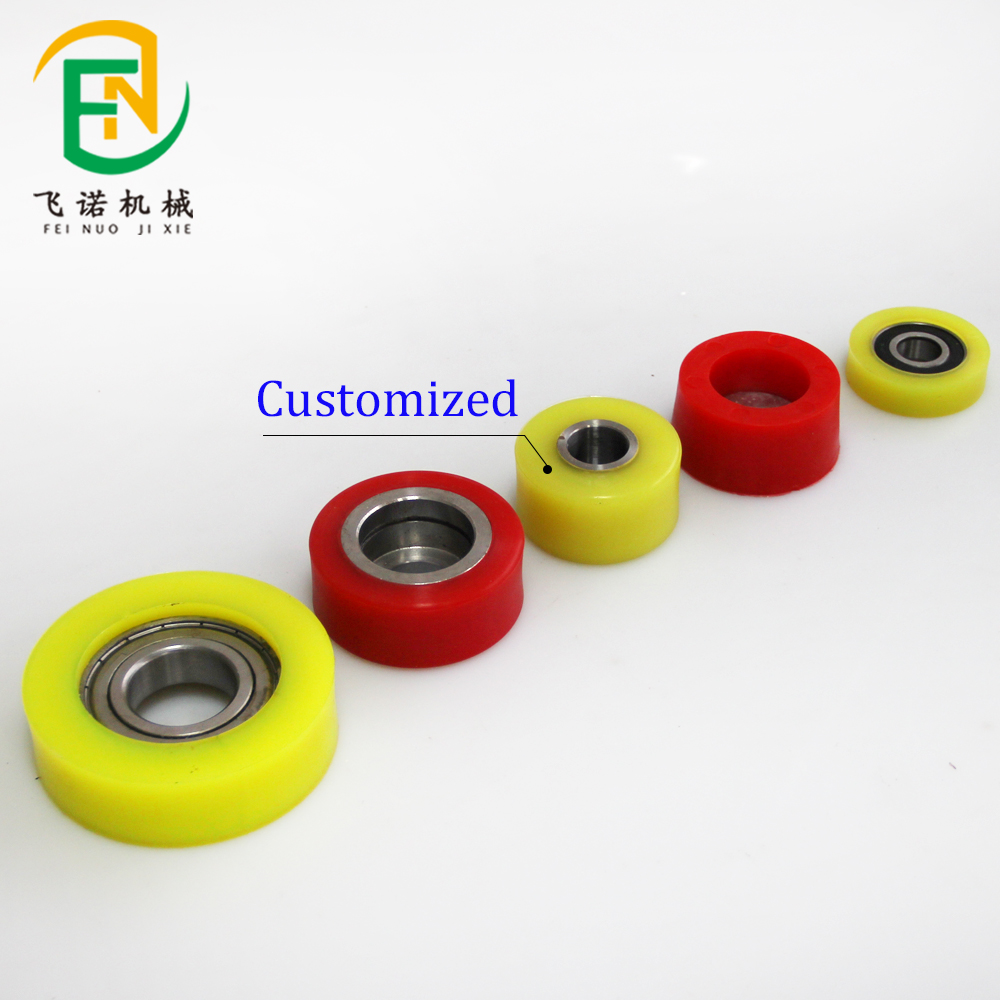
The Core Role of Injection Molding Mold Parts in Production Efficiency
In modern manufacturing, injection molding mold parts are at the heart of every efficient production line. Their precision and durability enable high-speed manufacturing without compromising quality. Well-designed mold components ensure consistent product replication, allowing thousands or even millions of identical parts to be produced with minimal variation.
The accuracy of these mold parts reduces material waste, shortens cycle times, and boosts productivity. For industries like automotive or electronics, where time and precision are everything, advanced mold systems make it possible to achieve mass production at remarkable speeds. In this way, they serve as both the engine and the foundation of efficient manufacturing processes worldwide.
Precision Engineering: The Secret Behind Quality and Consistency
The difference between an average product and a world-class one often lies in the precision of its mold. Injection molding mold parts play a decisive role in maintaining tight tolerances and superior surface finishes. They allow manufacturers to achieve microscopic accuracy, which is crucial for components used in medical devices, aerospace systems, and high-performance machinery.
By employing state-of-the-art machining and inspection technologies, manufacturers can produce mold parts that ensure consistent output over long production runs. This level of engineering precision translates directly into product reliability and customer satisfaction, two non-negotiable factors in competitive global markets.
Material Innovation: Enhancing Durability and Performance
The strength and lifespan of injection molding mold parts depend largely on the materials used to create them. Over time, the industry has transitioned from conventional tool steels to advanced alloys, ceramics, and specially coated metals designed to withstand extreme conditions.
Modern coatings such as titanium nitride or diamond-like carbon significantly enhance resistance to wear, corrosion, and heat. These innovations extend mold life and reduce downtime caused by maintenance or part replacement. The result is a more durable, cost-efficient, and high-performing production system that supports uninterrupted operation across countless manufacturing cycles.
Customization and Flexibility: Meeting Diverse Industry Demands
No two industries are the same—and neither are their molding requirements. Today’s injection molding mold parts are designed with modularity and flexibility in mind. Customizable inserts, interchangeable cavities, and specialized cooling systems enable manufacturers to adapt molds for different materials, product shapes, and functional needs.
This adaptability makes it possible to switch between product lines quickly and cost-effectively. Whether producing large automotive components or delicate consumer electronics, the flexibility of modern mold parts ensures that manufacturers can meet diverse demands while maintaining precision and productivity.
Sustainability Through Advanced Mold Design
Sustainability has become a driving force in manufacturing innovation, and injection molding mold parts are no exception. Advanced mold designs now incorporate energy-efficient temperature control systems, optimized cooling channels, and low-waste gating technologies. These improvements reduce energy consumption and material loss, helping manufacturers align with global sustainability goals.
Moreover, the use of recyclable materials and eco-friendly production techniques minimizes environmental impact without sacrificing performance. In an era where sustainability equals competitiveness, efficient mold systems serve as key enablers of greener, cleaner manufacturing processes.
Automation and Smart Technologies Transforming Mold Manufacturing
The integration of automation and digital intelligence is revolutionizing how injection molding mold parts are designed, monitored, and maintained. Smart molds embedded with sensors can collect real-time data on temperature, pressure, and cycle time—allowing for predictive maintenance and automatic quality control adjustments.
AI-driven systems can detect subtle variations during molding, optimizing parameters on the fly to maintain precision. Robotics and automated tool-changing mechanisms further streamline operations, reducing human error and production downtime. As a result, mold manufacturing is becoming smarter, faster, and more reliable than ever before.
Cost Efficiency and Long-Term Value of High-Quality Mold Parts
While investing in high-quality injection molding mold parts may require a larger upfront cost, the long-term benefits far outweigh the expense. Premium mold components ensure stable operation, fewer defects, and less frequent maintenance, leading to significant cost savings over time.
High-performance molds also reduce material waste and enhance product consistency, which directly contributes to profitability. For manufacturers focused on long-term sustainability and competitiveness, prioritizing mold quality is not an option—it’s a strategic necessity.
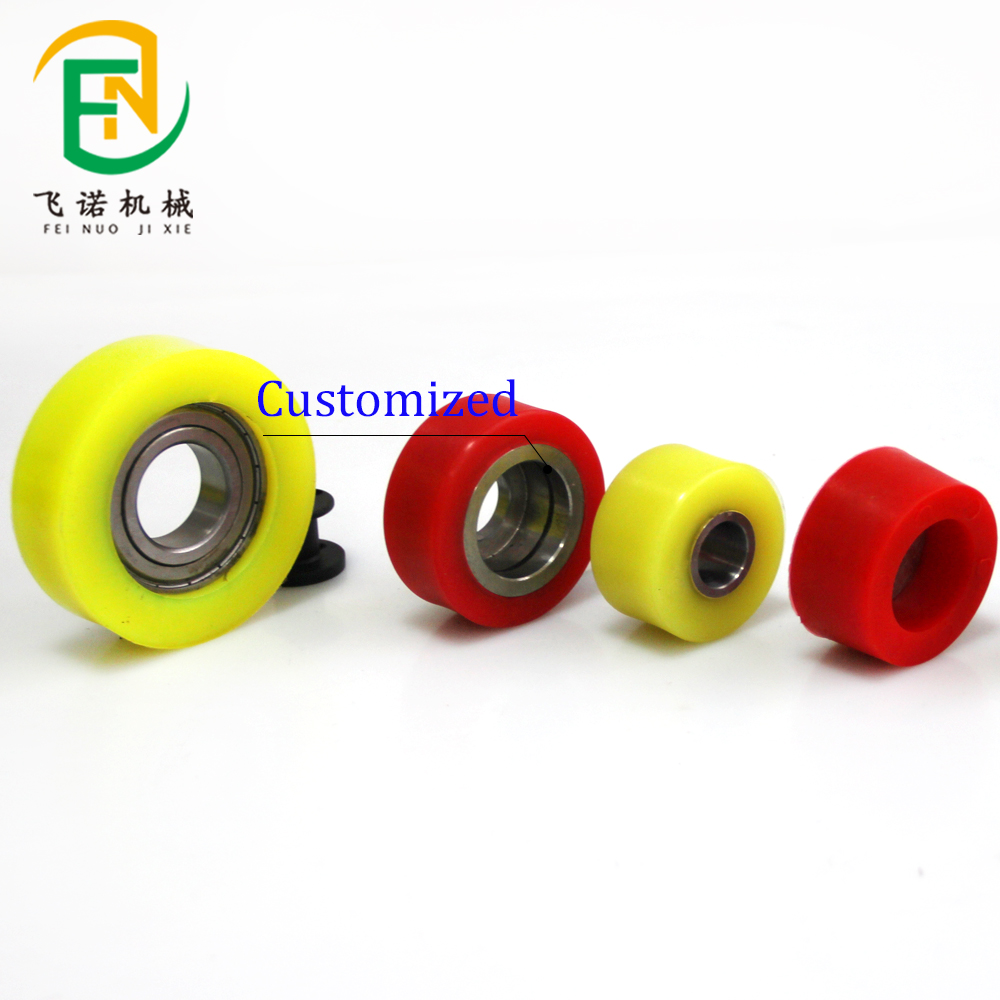
The Future Outlook: How Injection Molding Mold Parts Will Continue to Evolve
Looking ahead, the future of injection molding mold parts is set to be defined by digital integration, automation, and advanced materials. The adoption of 3D printing for mold prototyping and hybrid manufacturing is reducing lead times and increasing design freedom.
Emerging technologies such as digital twins allow manufacturers to simulate and optimize mold performance before physical production begins. Meanwhile, next-generation cooling systems and self-healing materials will push durability and precision to new levels. These innovations promise a future where mold parts are not just tools—but intelligent, adaptive systems that drive the next industrial revolution.
Why the Future of Manufacturing Depends on Injection Molding Mold Parts
The modern manufacturing landscape owes much of its progress to the evolution of injection molding mold parts. They represent the perfect blend of precision engineering, material innovation, and intelligent design. From enhancing efficiency and quality to supporting sustainability and automation, these components shape every stage of production.
As industries continue to evolve, the demand for smarter, stronger, and more adaptable mold parts will only grow. Their influence reaches far beyond the factory floor—defining how products are designed, produced, and perfected. In short, the future of manufacturing is being shaped today, one mold part at a time.