
- November 5, 2025
- Posted by: feinuojixie
- Category: Injection Molding News
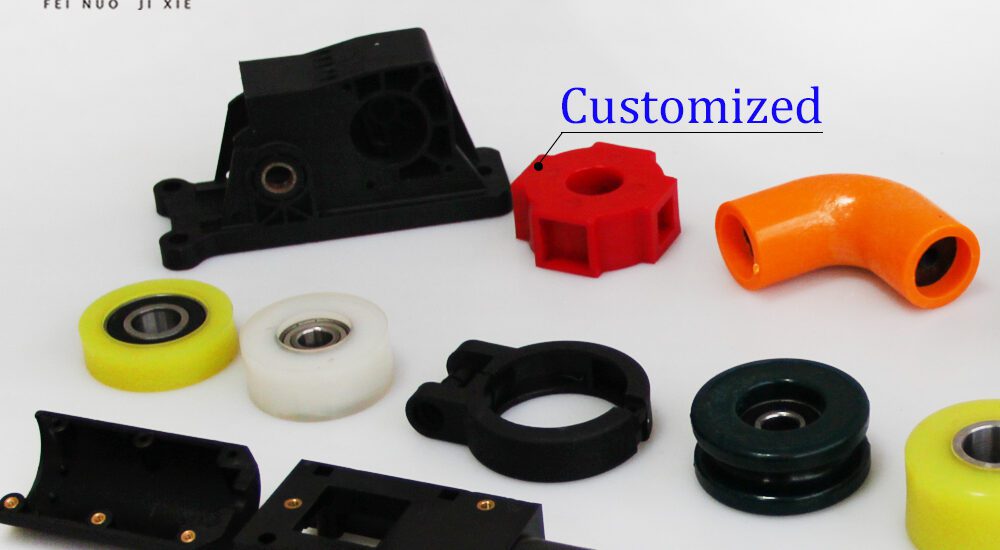
The world of manufacturing is undergoing a remarkable transformation, and at the center of this change are injection molding part. These components have become the unsung heroes behind countless everyday products—from automotive dashboards and medical devices to consumer electronics and packaging. Their precision, scalability, and cost efficiency have redefined what’s possible in modern production. More than just a method of shaping plastic, injection molding now represents the perfect intersection of engineering, material science, and innovation.
The growing demand for lightweight, durable, and sustainable products has accelerated the use of injection molding part across multiple industries. Manufacturers are not only achieving higher efficiency but also unlocking greater design flexibility and performance reliability. As technology continues to evolve, injection molding part are proving that they’re not just components—they’re catalysts for change in the global manufacturing landscape.
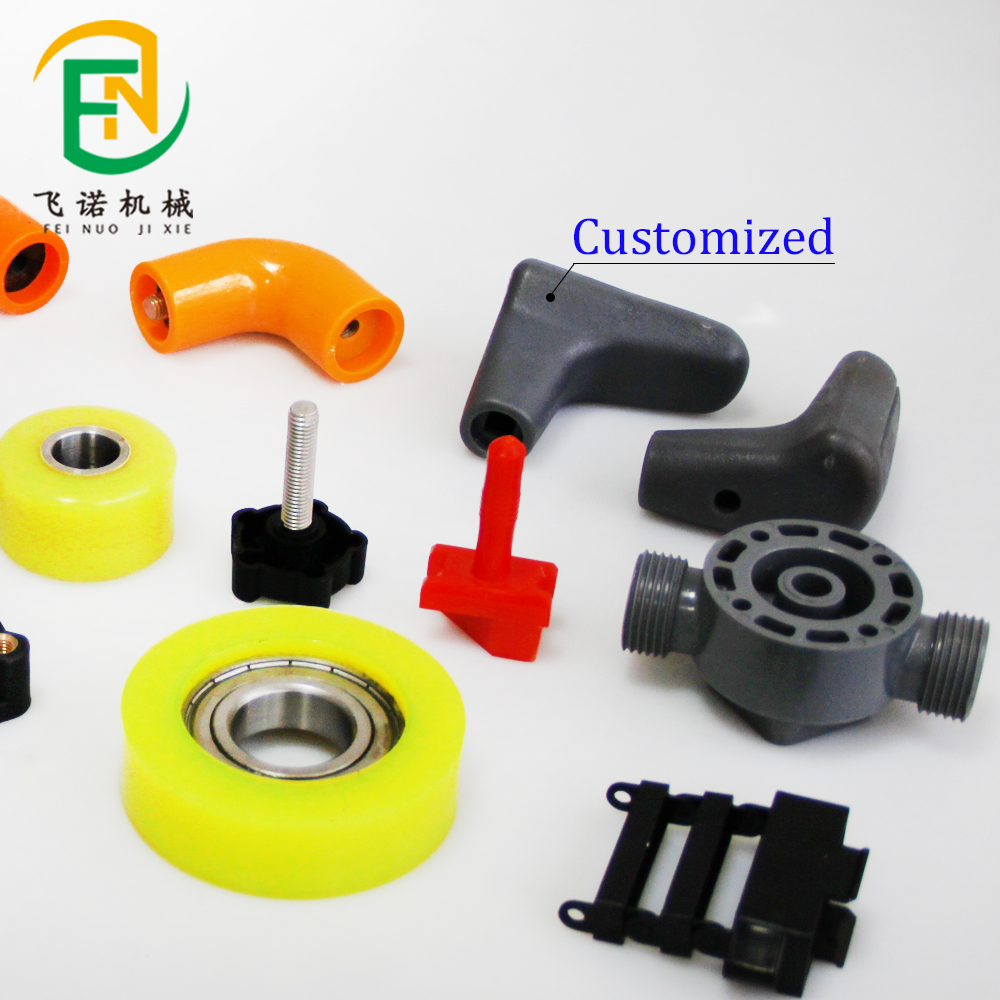
The Evolution of Injection Molding Part in Modern Manufacturing
Injection molding part have come a long way since their early introduction in the mid-20th century. What started as a simple way to produce plastic components quickly evolved into a highly technical process capable of creating complex, high-precision parts. Early systems were limited in speed and material versatility, but advances in machinery, automation, and computer-aided design have completely redefined their potential.
Modern manufacturers now rely on injection molding not only for mass production but also for prototype development and small-batch customization. The introduction of multi-cavity molds, advanced temperature control, and robotic systems has made it possible to produce parts faster, more consistently, and with near-zero defects. As industries continue to demand higher standards of accuracy and efficiency, injection molding part stand at the forefront of technological progress.
Precision and Consistency: The Key Advantages of Injection Molding Part
One of the biggest advantages of injection molding part lies in their precision. In sectors such as automotive, medical, and electronics, a fraction of a millimeter can determine product performance or safety. Injection molding enables manufacturers to achieve consistent results, ensuring that every component meets exact specifications.
Unlike manual production methods, this process minimizes variability and guarantees repeatability—even across millions of units. For example, car manufacturers use injection molded components for interior panels and functional parts that require both durability and aesthetic quality. Similarly, electronics producers rely on these parts to achieve tight tolerances that support advanced device functionality. This combination of precision and consistency is what makes injection molding indispensable to modern manufacturing.
Cost Efficiency and Scalability Through Injection Molding Part
In an industry where time and cost control are crucial, injection molding part offer a clear advantage. Once a mold is developed, the production cycle becomes extremely cost-efficient, allowing for rapid output with minimal material waste. The high-speed manufacturing process not only reduces labor costs but also ensures a steady supply chain for large-scale production.
Compared with traditional machining or additive manufacturing, injection molding can deliver thousands of identical parts in a fraction of the time. This scalability makes it ideal for companies that need to balance quality, speed, and cost. Whether producing components for consumer goods or industrial equipment, the process delivers remarkable value by combining precision with affordability.
Material Innovation: Expanding Possibilities for Injection Molding Part
The evolution of materials has played a major role in the growing capabilities of injection molding part. Today’s manufacturers have access to a wide range of engineering polymers that offer specific properties such as heat resistance, impact strength, and chemical stability. Materials like polycarbonate, nylon, and PEEK have enabled the production of components that can perform under extreme conditions.
Moreover, the industry’s focus on sustainability has led to the development of biodegradable and recycled materials. These eco-friendly plastics not only meet performance demands but also help companies reduce their environmental footprint. Through continuous research and material innovation, injection molding part are now used in applications that once required metal or composite components, proving their strength, flexibility, and long-term reliability.
Design Flexibility: Turning Complex Concepts Into Reality
One of the defining strengths of injection molding part is design flexibility. Manufacturers can create parts with complex geometries, fine details, and tight tolerances that would be difficult or impossible to achieve with other production methods. The ability to integrate multiple functions into a single molded part simplifies assembly, reduces weight, and cuts down on costs.
With the help of advanced simulation software, designers can now predict flow behavior, shrinkage, and potential defects before production even begins. This predictive approach not only improves design accuracy but also shortens development cycles. The integration of digital tools and design-for-manufacturability principles allows for faster innovation while maintaining high-quality standards.
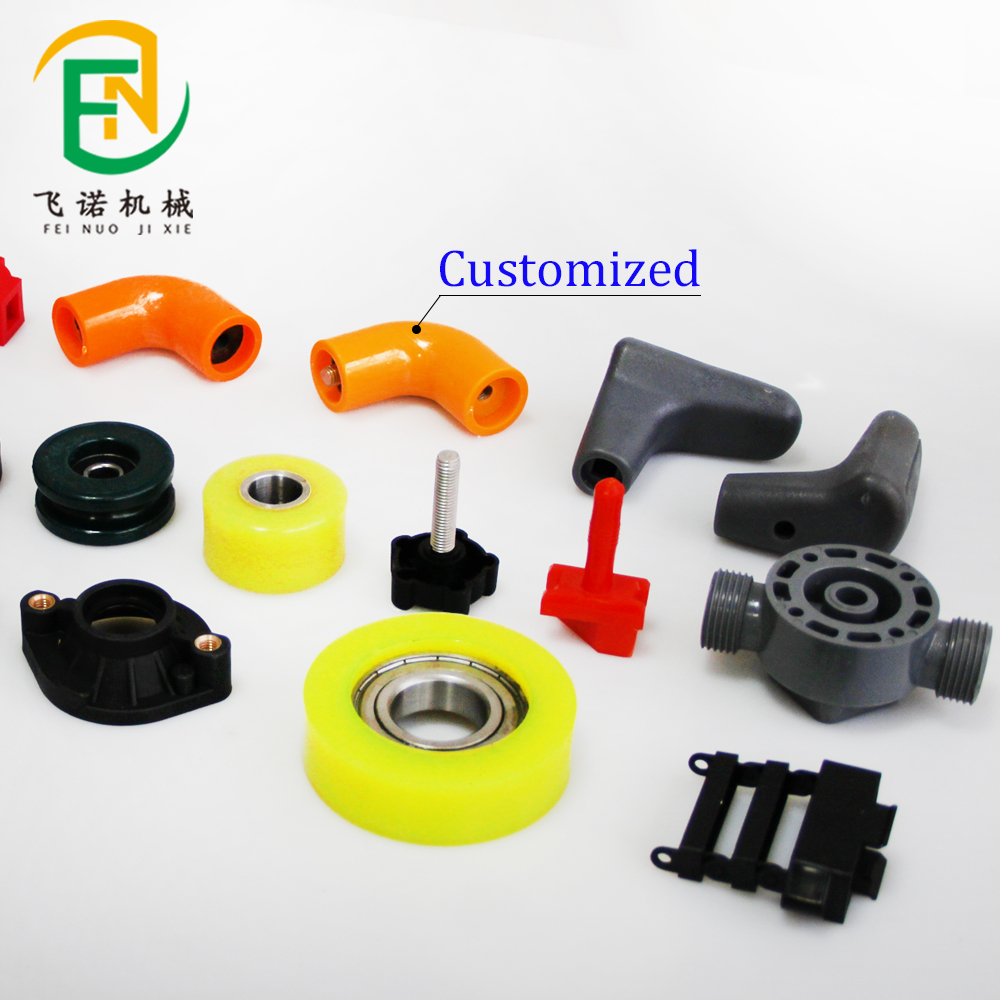
Sustainability and the Future of Injection Molding Part
As industries strive to become more sustainable, injection molding continues to adapt and lead. Modern production lines now include energy-efficient machinery and automation systems that minimize waste and power consumption. The push toward circular manufacturing has also inspired the reuse and recycling of materials, turning waste into valuable resources.
Emerging technologies such as artificial intelligence, machine learning, and smart sensors are enhancing process control, predicting maintenance needs, and optimizing production in real time. These advancements are shaping a new era of intelligent manufacturing where injection molding part will continue to drive innovation, efficiency, and environmental responsibility.
The future promises even greater possibilities—lightweight composites, biodegradable resins, and hybrid materials are expanding what manufacturers can achieve. As automation and digital integration deepen, injection molding will remain a cornerstone of modern production, bridging performance and sustainability in ways once unimaginable.
Conclusion
Injection molding part have reshaped the manufacturing world, offering unmatched precision, speed, and adaptability. From automotive and aerospace to consumer electronics and healthcare, these parts have become essential to modern product development. By combining design flexibility with material innovation and sustainability, injection molding continues to set the standard for efficiency and reliability.
As technology advances and global demands evolve, injection molding part will remain a driving force behind innovation—proving that this time-tested process still has the power to change the game for generations to come.