
- November 10, 2025
- Posted by: feinuojixie
- Category: Injection Molding News
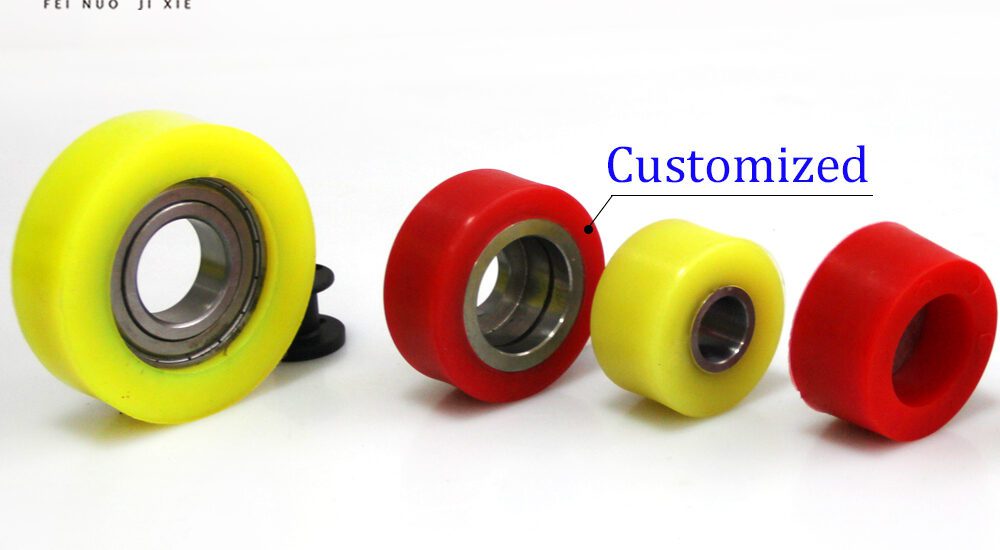
The world of product development is undergoing a massive transformation, and injection molding part are at the center of this evolution. As industries strive for faster innovation, higher precision, and more sustainable production, injection molding has emerged as a key enabler. By allowing manufacturers to create complex shapes with exceptional accuracy, this process bridges the gap between design and reality. Whether it’s a medical device, an automotive component, or a consumer gadget, injection molding part make it possible to bring ideas to life quickly and affordably—reshaping how products are imagined, developed, and delivered.
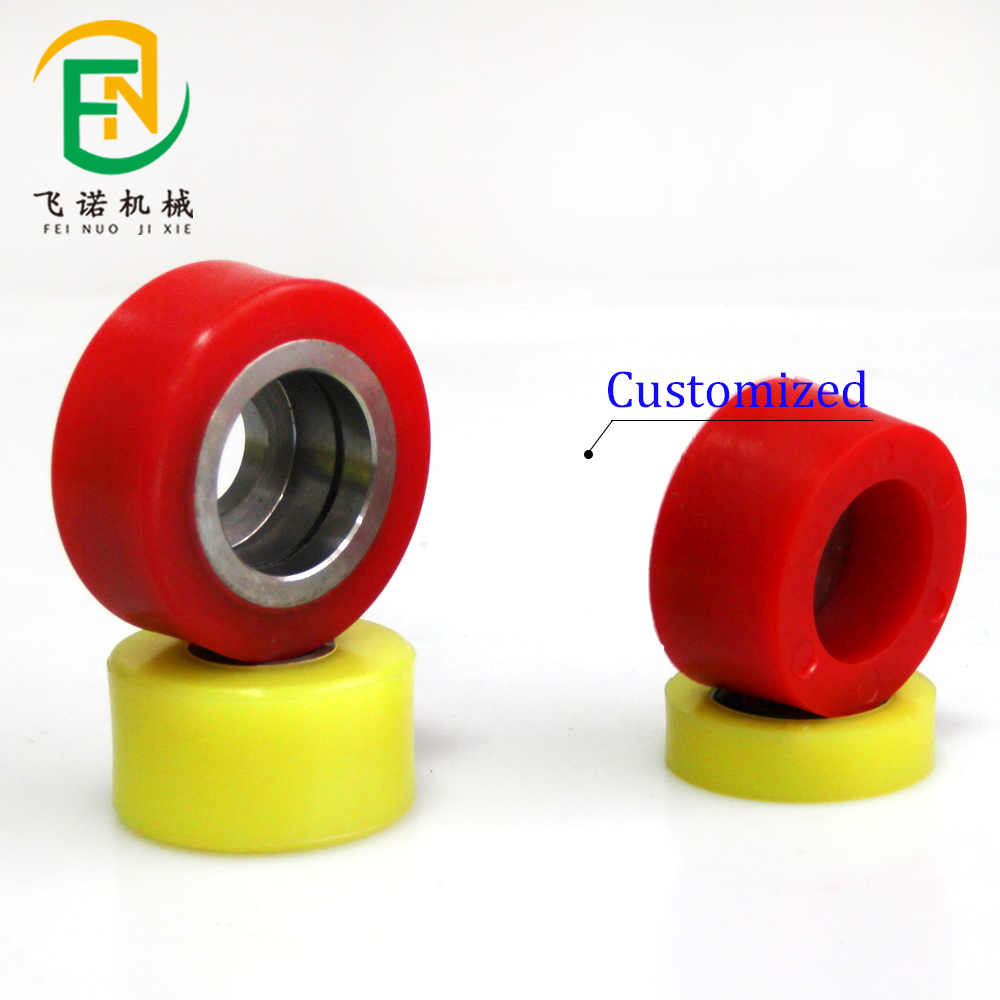
The Evolution of Injection Molding Part in Manufacturing
The story of injection molding part is one of continuous innovation. In the past, manufacturers relied heavily on traditional machining and manual assembly, which were slow, expensive, and prone to inconsistency. The advent of injection molding changed that landscape completely. Through the use of precise molds and automated processes, manufacturers could now mass-produce components with incredible uniformity. Over time, advancements in materials, computer-aided design (CAD), and robotics further enhanced the capabilities of molding systems. Today, injection molding part represent the perfect blend of art, engineering, and technology—supporting industries that demand precision at scale.
Why Injection Molding Part Are the Backbone of Product Development
Injection molding part play an indispensable role in today’s manufacturing landscape because they provide the flexibility, consistency, and reliability that modern products demand. One of the greatest strengths of this process is design freedom. Engineers and product designers can create parts with intricate geometries, complex surfaces, and fine details that would be impossible or cost-prohibitive using traditional methods. This flexibility enables innovative shapes, lightweight structures, and customized designs tailored to specific applications.
Another major advantage is consistency and repeatability. Once a mold is created, every part produced will maintain identical specifications and quality. This uniformity is crucial for large-scale production where even slight deviations can affect assembly or performance. Moreover, injection molding part can be made from a vast selection of materials—from rigid polymers to flexible elastomers—giving designers the ability to fine-tune strength, durability, color, and texture according to the product’s needs. This combination of flexibility and precision is what makes injection molding the backbone of efficient and reliable product development.
How Injection Molding Part Accelerate Time-to-Market
Speed is a defining factor in modern product development, and injection molding part are revolutionizing how fast companies can move from concept to production. The introduction of rapid prototyping technologies, such as 3D-printed molds and digital simulations, allows engineers to test, modify, and finalize designs in record time. Once the prototype is approved, the transition to full-scale production is nearly seamless since the same digital models can be used to produce production-ready molds.
In addition, automation plays a critical role in streamlining production. Robotic systems manage tasks like part removal, trimming, and packaging, significantly reducing human error and downtime. With shorter cycle times and minimal manual intervention, manufacturers can achieve faster production rates and quicker delivery schedules. The result is a dramatic reduction in time-to-market—an essential advantage in industries where innovation speed determines competitiveness.
The Economic Edge: Cost Efficiency Through Injection Molding Part
Beyond speed and precision, injection molding part deliver an undeniable economic advantage. The process minimizes waste because the exact amount of material required is injected into the mold, reducing excess usage. Moreover, many modern facilities recycle leftover material from previous runs, further cutting costs and waste. This efficient use of resources translates directly into savings for manufacturers and consumers alike.
Another key economic benefit lies in scalability. Once the initial tooling is created, each subsequent unit becomes significantly cheaper to produce. The low per-part cost makes injection molding ideal for large production runs, helping businesses maintain profitability while keeping prices competitive. In addition, the reduced need for manual labor, thanks to automated systems, further drives down production expenses. In essence, injection molding part offer a perfect balance between quality and cost-efficiency—making them a smart choice for manufacturers seeking long-term value.
Innovation Through Injection Molding Part: Driving the Future of Design
Injection molding part are not just about manufacturing—they are shaping the future of design innovation. With the rise of smart manufacturing technologies, molding processes now integrate seamlessly with digital systems such as AI, IoT, and advanced sensors. This connection allows real-time monitoring of temperature, pressure, and flow to ensure optimal results and predict potential issues before they occur. The result is a more intelligent, data-driven production line that guarantees precision and reliability.
Furthermore, continuous research in material science is pushing the boundaries of what’s possible. Lightweight composites, reinforced polymers, and biodegradable materials are giving designers new tools to meet performance and sustainability targets. Whether the goal is to make a car lighter, a device more durable, or packaging more eco-friendly, innovation through injection molding is driving the next generation of product development.
Real-World Applications: Industries Transformed by Injection Molding Part
The impact of injection molding part extends across virtually every industry. In the automotive sector, these components are used to create dashboards, bumpers, and interior fittings that combine strength with aesthetic appeal. The ability to produce lightweight yet durable parts contributes to fuel efficiency and overall vehicle performance.
In the medical field, injection molding ensures the production of sterile, high-precision components such as syringes, surgical instruments, and device housings. The process’s cleanliness, consistency, and ability to use biocompatible materials make it indispensable for healthcare applications.
Meanwhile, in consumer electronics, injection molding part are the foundation of compact, ergonomic, and visually appealing designs. From smartphone casings to laptop keyboards, molding technology enables high-volume production with tight tolerances and premium finishes. These examples illustrate how deeply injection molding is integrated into modern life, touching everything from the cars we drive to the tools that save lives.
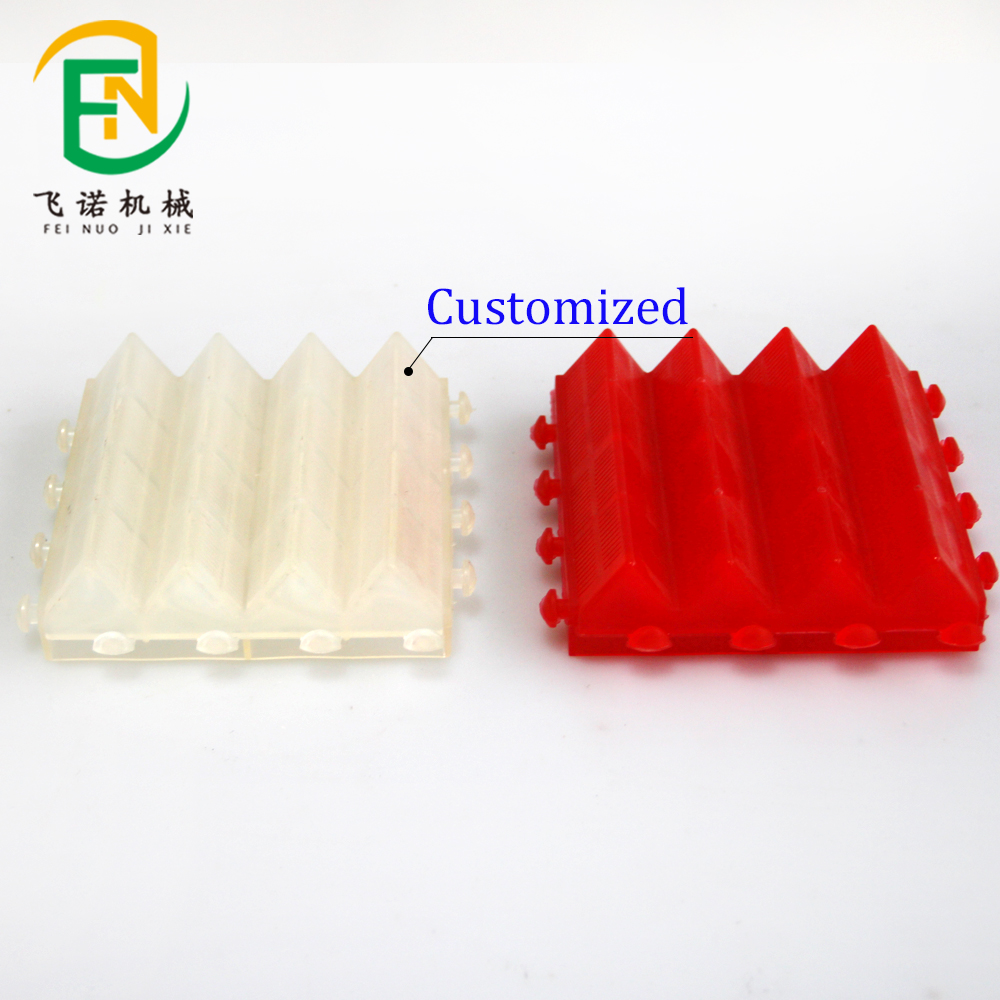
Sustainability and the Green Future of Injection Molding Part
As industries move toward greener production, injection molding part are evolving to meet environmental challenges. Many manufacturers are now adopting biodegradable and recyclable materials, reducing dependence on petroleum-based plastics. By regrinding and reusing excess materials, companies minimize waste and contribute to a circular economy.
Moreover, energy-efficient machinery and optimized production cycles are helping reduce carbon emissions. Modern molding systems use precise temperature control and servo-driven hydraulics to consume less power without compromising quality. This combination of sustainable materials and efficient processes demonstrates that injection molding can be both economically viable and environmentally responsible. The future of product development lies not only in innovation but also in creating eco-conscious solutions that protect the planet.
The Continuing Revolution in Product Development
Injection molding part have transformed product development from a slow, manual process into a dynamic, high-speed, and cost-effective system of creation. They empower designers to dream bigger, manufacturers to produce smarter, and industries to innovate faster. From medical devices to automotive components, the versatility and precision of injection molding continue to drive progress across every field.
As technology advances, the synergy between automation, digital design, and sustainable materials will only deepen the impact of injection molding. The result is a manufacturing revolution that doesn’t just enhance productivity—it redefines what’s possible in modern product development.