
- October 15, 2025
- Posted by: feinuojixie
- Category: Chain Guides News
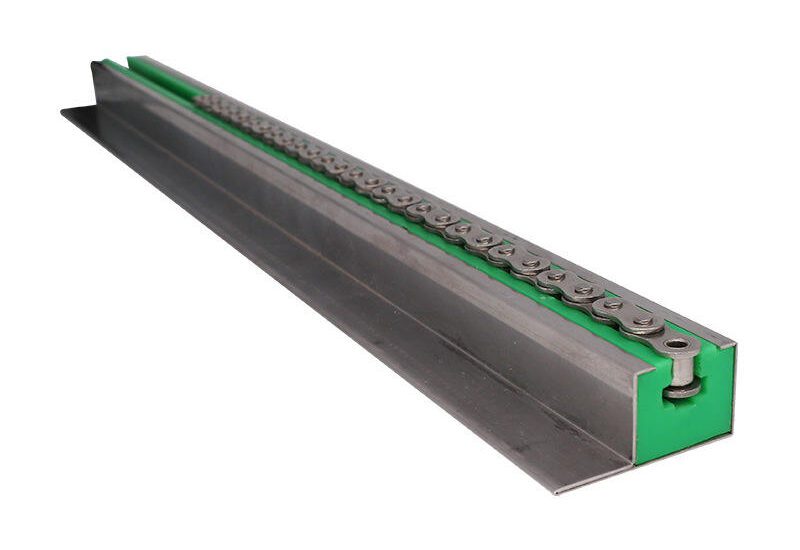
The chain guide wear strip is a crucial component in various mechanical devices, especially those with chain – driven systems. Its primary function is to act as a buffer between the chain and the chain guide. By doing so, it reduces friction, which in turn minimizes wear and tear on both the chain and the guide.
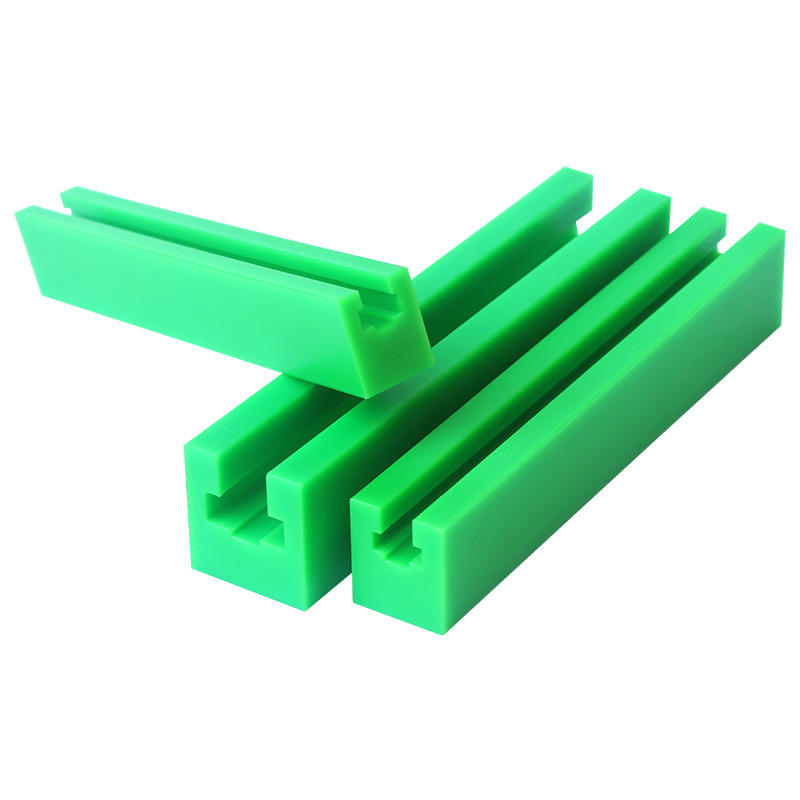
Think of it as the shock absorber for your chain system. When the chain moves, it can cause significant stress on the guide. The wear strip, made from materials like high – density polyethylene (HDPE) or nylon, helps to distribute this stress evenly. This not only extends the lifespan of the chain and guide but also ensures smooth operation.
In a bicycle, for example, a well – functioning chain guide wear strip allows for seamless gear shifting. It prevents the chain from skipping or derailing, which could lead to dangerous situations while riding. In industrial machinery, a worn – out wear strip can cause production slowdowns or even breakdowns. This is because the chain may not move as efficiently, leading to increased energy consumption and potential damage to other parts of the machine. Understanding the importance of the chain guide wear strip is the first step in knowing how often to inspect it.
Why Regular Inspections Matter
Regular inspections of the chain guide wear strip are not just a good practice; they are essential for several reasons.
Preventing Equipment Failure: A worn – out wear strip can lead to the chain slipping, jumping, or even breaking. In industrial settings, this can bring an entire production line to a halt. For example, in a conveyor system used in a manufacturing plant, if the chain guide wear strip is not inspected regularly and wears down too much, the chain may derail. This can cause damage to the products being transported, and the cost of repair and downtime can be substantial. According to industry statistics, a significant number of unplanned equipment shutdowns are caused by issues related to chain – drive components, including worn – out wear strips.
Extending Component Lifespan: By regularly checking the wear strip, you can detect early signs of wear. When caught early, you can replace the wear strip before it causes excessive wear on the more expensive chain and chain guide. For instance, in a motorcycle, a fresh wear strip can keep the chain running smoothly, reducing the rate at which the chain and sprockets wear. This means you won’t have to replace the entire chain and sprocket set as frequently, saving you money in the long run.
Ensuring Safety: In applications where chains are used, safety is a top concern. A malfunctioning chain due to a worn – out wear strip can pose a danger to operators. In a construction crane, for example, if the chain guide wear strip fails and the chain malfunctions, it could lead to dropping heavy loads, endangering the lives of workers on the ground. Regular inspections can help identify potential safety hazards and prevent accidents from occurring.
Signs That Indicate It’s Time to Inspect
Knowing when to inspect your chain guide wear strip can save you a lot of trouble. Here are some tell – tale signs:
Unusual Chain Noise
If you start hearing clicking, rattling, or grinding noises coming from the chain area, it’s a clear indication that something is amiss. A healthy chain moving over a properly functioning wear strip should operate relatively quietly. The noise could be due to the chain no longer gliding smoothly over the wear strip. As the wear strip wears down, its surface becomes less smooth, causing the chain to make contact in an uneven way, which results in these unwanted sounds. For example, in a chainsaw, a noisy chain can be a sign that the wear strip needs inspection. If left unaddressed, the noise can turn into a more serious problem, like chain breakage.
Chain Deviation
When the chain starts to deviate from its normal path, it’s a sign that the chain guide wear strip might be worn out. In a bicycle, you might notice that the chain is constantly shifting to one side or seems to be running at an odd angle. This happens because the worn – out wear strip can no longer keep the chain in its proper position. The chain guide is designed to hold the chain in place, and the wear strip acts as a support for this function. Without a properly functioning wear strip, the chain can move freely in ways it’s not supposed to, leading to inefficient operation and potential damage to other components.
Visible Wear Marks
Take a close look at the wear strip. If you can see grooves, deep scratches, or areas where the material has been significantly worn away, it’s time for an inspection. In industrial equipment, the wear strip may be exposed, making it easier to spot these marks. Even in applications like mountain bikes, where the components are more compact, a careful visual inspection can reveal signs of wear. These visible marks show that the wear strip has been under stress and is losing its ability to protect the chain and guide. If the wear is severe enough, the wear strip may need to be replaced immediately.
Factors Affecting Inspection Frequency
Several factors come into play when determining how often you should inspect your chain guide wear strip.
Usage Environment
The environment in which your equipment operates has a significant impact. If you’re using a chainsaw in a dusty, gritty environment like a construction site or a wood – cutting yard, the wear strip is likely to accumulate debris. This debris can accelerate the wear process as it gets trapped between the chain and the wear strip, acting like an abrasive. In contrast, if the equipment is used in a clean, indoor environment, such as a conveyor system in a food – processing plant with strict hygiene standards, the wear strip will generally experience less wear. For outdoor – used bicycles, especially those ridden on muddy trails, the wear strip may need more frequent inspections compared to bikes used mainly on clean city streets.
Usage Intensity
How often and how hard you use your equipment matters a great deal. Industrial machinery that runs continuously for long hours, like a conveyor belt in a 24 – hour factory, will put much more stress on the chain guide wear strip than a piece of equipment that is used occasionally. A mountain bike that is ridden aggressively, with frequent jumps and hard acceleration, will cause more rapid wear on the wear strip than a casual cruiser bike used for short, leisurely rides. The more intense the usage, the more often you should check the wear strip. For example, a delivery truck with a chain – driven liftgate that is used multiple times a day will require more regular inspections of its wear strip than a private car with a rarely – used chain – driven component.
Equipment Quality
The quality of the chain guide wear strip and the overall equipment also affects inspection frequency. High – quality wear strips made from durable materials are likely to last longer and require less frequent inspections. A well – engineered chain – drive system with proper alignment and tensioning mechanisms will also reduce the stress on the wear strip. On the other hand, if you have a lower – quality wear strip or if the equipment has alignment issues, the wear strip may wear out much faster. For instance, a cheap aftermarket wear strip installed on a motorcycle may need to be inspected more often than the original equipment manufacturer (OEM) part. If the chain on a piece of equipment is not properly tensioned, it can cause uneven wear on the wear strip, necessitating more frequent checks.
Recommended Inspection Intervals
For Light – Usage Equipment: If you have equipment that is used infrequently or in a relatively gentle environment, such as a home – use bicycle that is only ridden on weekends for short distances, a monthly inspection should be sufficient. This allows you to catch any early signs of wear before they become major issues. A light – duty conveyor system in a small workshop that operates for a few hours a day can also follow this monthly inspection schedule. During the inspection, you can quickly check for any signs of visible wear, listen for unusual noises, and make sure the chain is running smoothly.
For Moderate – Usage Equipment: In cases where the equipment is used more regularly, like a mountain bike that is ridden a few times a week or a small – scale industrial machine that runs for several hours a day, a weekly inspection is advisable. Weekly inspections can help you monitor the wear strip’s condition more closely. You can measure the thickness of the wear strip with a caliper to see how much it has worn down over time. This is especially important for equipment that experiences a fair amount of stress during operation.
For Heavy – Usage Equipment: Industrial machinery that operates continuously or equipment used in high – stress environments, such as a mining conveyor belt or a motocross bike that is ridden aggressively, should be inspected daily or at least every shift. In a 24 – hour factory, the wear strip of a conveyor chain may need to be checked at the start and end of each shift. This frequent inspection ensures that any potential problems are detected immediately, minimizing the risk of equipment failure and costly downtime. For motocross bikes, the intense jumps and rough terrain put extreme stress on the chain guide wear strip, so daily inspections are crucial to maintain peak performance and safety.
If you notice any of the signs mentioned earlier, such as unusual noise or chain deviation, don’t wait for the next scheduled inspection. Conduct an immediate inspection to address the issue before it worsens. Additionally, after any major repairs or component replacements in the chain – drive system, it’s a good idea to inspect the wear strip to ensure that everything is functioning properly.
The Inspection Process Step by Step
Inspecting your chain guide wear strip is a straightforward process, but it requires attention to detail. Here is a step – by – step guide:
Preparation
Before you start the inspection, make sure you have the right tools. You’ll need a clean, dry cloth to wipe away any dirt or debris from the chain and wear strip. A flashlight can also be very helpful, especially if the components are in a hard – to – see area. If you want to measure the wear strip’s thickness accurately, a caliper is essential. For example, in a motorcycle, the chain and wear strip are often located in a tight space, so a small, flexible flashlight can help you see all the details clearly.
Visual Inspection
First, carefully look at the wear strip. Move the chain by hand (make sure the equipment is turned off and in a safe state) to expose different parts of the wear strip. Check for any visible signs of wear, such as grooves, scratches, or areas where the material has thinned out. Pay close attention to the edges of the wear strip, as this is often where the first signs of wear occur. In a bicycle chain guide, you might notice that the edges of the wear strip are starting to fray or that there are small nicks in the material.
Measuring the Wear Strip
If you have a caliper, measure the thickness of the wear strip at several points. Compare these measurements to the manufacturer’s specifications for a new wear strip. A significant reduction in thickness indicates that the wear strip is wearing out. For instance, if the original wear strip was 5mm thick and your measurements show that it is now only 3mm in some areas, it’s a sign that the wear strip is approaching the end of its useful life.
Checking the Chain Movement
While moving the chain, listen for any unusual noises. As mentioned earlier, clicking, rattling, or grinding sounds can indicate problems with the wear strip. Also, observe the chain’s movement. It should move smoothly and stay in its proper position on the guide. If the chain seems to be jumping or deviating from its normal path, it could be due to a worn – out wear strip. In an industrial conveyor system, you can run the chain for a short period (under safe supervision) to better observe its movement and listen for any abnormal sounds.
Post – Inspection Actions
If you find that the wear strip is severely worn, it’s time to replace it. Make sure to choose a replacement wear strip that is compatible with your equipment. After replacement, it’s a good idea to run a quick test to ensure that the chain is moving smoothly and that there are no new issues. If the wear is minor, you can note the current condition and plan to inspect it more frequently in the coming weeks or months to monitor the rate of wear.
Maintenance Tips to Prolong Its Life
Taking good care of your chain guide wear strip can significantly extend its lifespan and keep your equipment running smoothly. Here are some useful maintenance tips:
Regular Cleaning
Cleanliness is crucial. Dirt, dust, and debris can act as abrasives, accelerating the wear of the wear strip. Use a soft – bristled brush to gently remove any particles from the surface of the wear strip and the chain. You can also use a degreaser specifically designed for chain – drive components. For example, in a chainsaw, after each use, wipe down the chain guide and wear strip with a clean cloth soaked in degreaser. This will prevent the build – up of sawdust and resin, which can cause premature wear.
Proper Lubrication
Lubricating the chain guide wear strip and the chain is essential. A good quality lubricant reduces friction between the chain and the wear strip. However, it’s important to use the right type of lubricant. For most applications, a dry – film lubricant is a great choice as it adheres well to the surfaces and doesn’t attract as much dirt as an oily lubricant. Apply the lubricant evenly along the length of the wear strip and the chain. In a bicycle, a few drops of lubricant on the chain and wear strip every few rides can make a big difference in their performance and lifespan.
Correct Installation
When installing a new chain guide wear strip, make sure it is installed correctly. Incorrect installation can lead to uneven wear and premature failure. Follow the manufacturer’s instructions carefully. Ensure that the wear strip is properly aligned with the chain and the chain guide. In industrial machinery, if the wear strip is not installed correctly, it can cause the chain to run at an angle, putting extra stress on the wear strip and other components. Check that all the mounting bolts or fasteners are tightened to the recommended torque specifications. This will keep the wear strip in place and prevent it from shifting during operation.
Avoid Overloading
Don’t overload your equipment. Excessive load can put additional stress on the chain and the wear strip, causing them to wear out faster. In a delivery truck with a chain – driven liftgate, don’t try to lift loads that exceed the recommended weight limit. Overloading can cause the chain to stretch and the wear strip to compress unevenly, leading to premature wear and potential failure. By following these maintenance tips, you can get the most out of your chain guide wear strip and save time and money in the long run.

Conclusion: Keep Your Chain System in Top Shape
In summary, the chain guide wear strip is a small but mighty component in any chain – drive system. Regular inspections are the key to ensuring the smooth operation, extended lifespan, and safety of your equipment. By being vigilant for signs such as unusual noises, chain deviation, and visible wear marks, you can catch potential problems early.
Remember, the inspection frequency varies depending on factors like the usage environment, intensity of use, and equipment quality. Whether it’s a monthly check for your light – use bicycle or daily inspections for heavy – duty industrial machinery, adhering to the recommended intervals can save you from costly breakdowns and repairs.
The inspection process itself is not overly complicated. With a bit of attention to detail and the right tools, you can quickly assess the condition of the wear strip. And don’t forget about maintenance. Regular cleaning, proper lubrication, correct installation, and avoiding overloading can significantly extend the life of the wear strip.
So, make it a habit to include the chain guide wear strip in your equipment maintenance routine. Your machinery will thank you with reliable performance, and you’ll enjoy peace of mind knowing that your chain – drive system is in top – notch condition.