
- November 24, 2025
- Posted by: feinuojixie
- Category: Chain Guides News
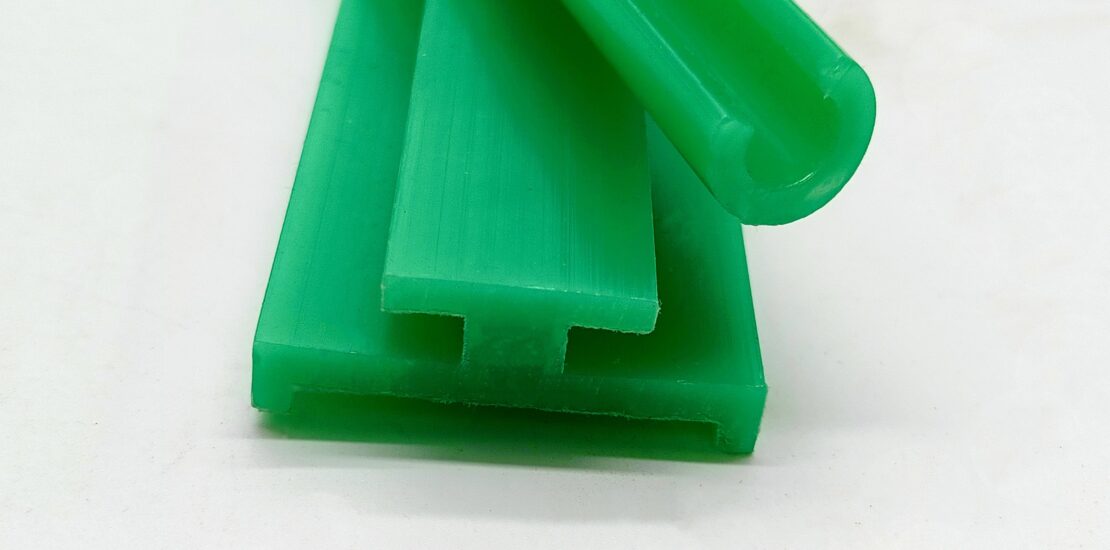
Modern manufacturing is rapidly evolving, driven by the need for higher efficiency, automation, and precision. As factories adopt smarter systems, components that once played supporting roles are now critical to overall performance. Among these components, plastic guide rail has gained special attention for helping production lines move faster, cleaner, and more intelligently. Their lightweight structure, low friction properties, and compatibility with advanced equipment make them an essential part of today’s automated manufacturing environment.
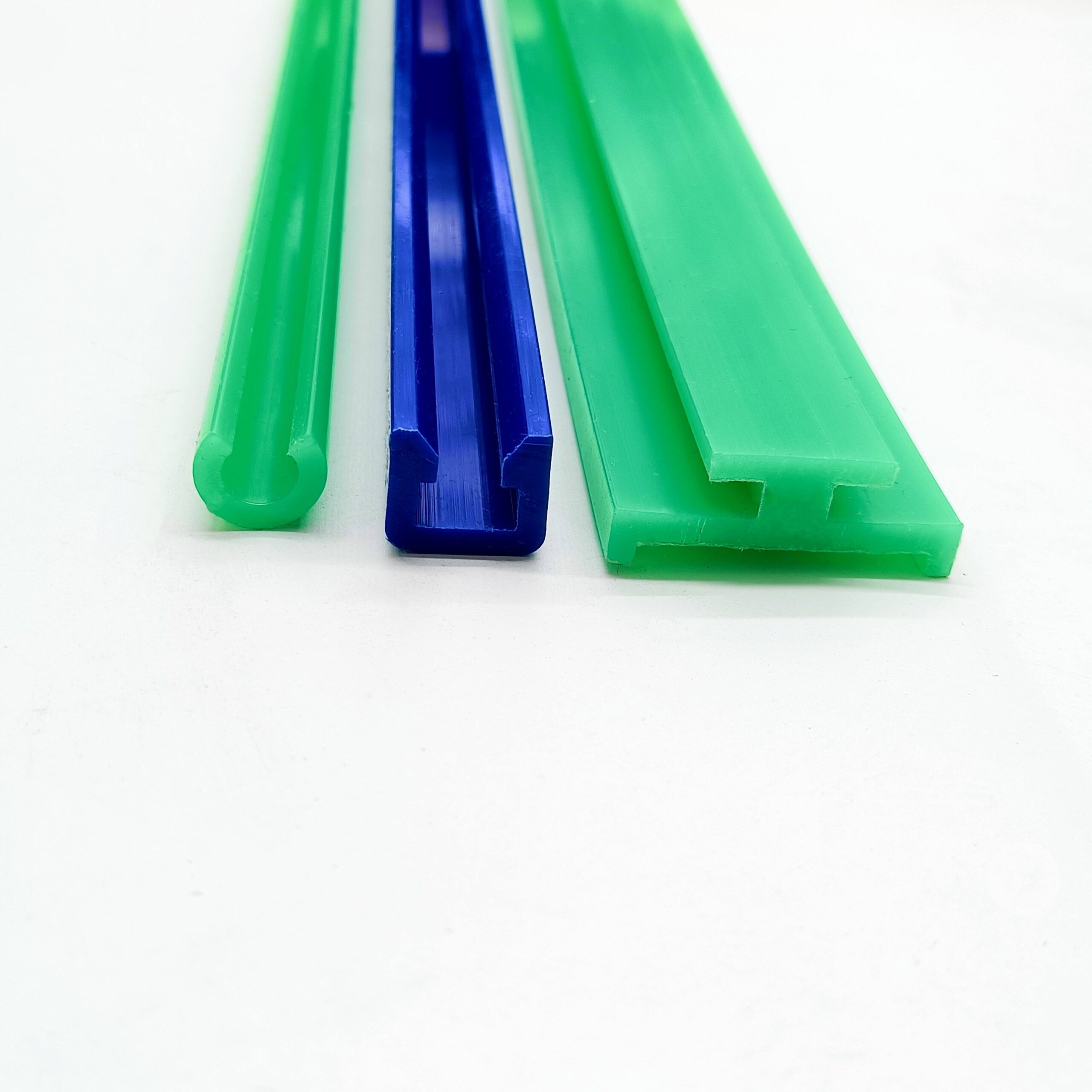
The Evolution of Smart Manufacturing and the Rise of Plastic Guide Rail
How Industry 4.0 Is Changing Material Choices
Industry 4.0 has transformed production environments by integrating automation, data exchange, and intelligent monitoring. As machines become more connected and systems demand faster and smoother operation, the materials used for components must evolve as well. Plastic guide rail fit this transition because they provide reliable support without adding unnecessary weight or friction to the system. Their ability to operate quietly and efficiently makes them ideal for modern, digitized production lines.
Why Plastic Guide Rail Fit Perfectly Into Intelligent Systems
Smart factories rely heavily on synchronized equipment such as conveyor systems, robotic arms, and automated assembly modules. These systems require guide components that can handle constant motion while maintaining precision. Plastic guide rail offer the perfect balance of durability and adaptability, allowing them to operate with various sensors, motors, and automated units. Their stable performance helps ensure consistent product quality and minimizes interruptions during real-time production.
Core Benefits That Make Plastic Guide Rail Essential for Smart Factories
Lightweight Structure for Faster and More Efficient Motion Control
Weight reduction is essential in an environment where every millisecond matters. The lightweight nature of plastic guide rail reduces the load on motors and drives, allowing faster acceleration, smoother movement, and improved energy efficiency. This contributes to lower power consumption and helps manufacturers achieve their sustainability goals.
Low Friction and Noise Reduction for Better Productivity
High-speed production generates noise, vibration, and heat, which can affect both equipment and worker comfort. Plastic guide rail naturally offer low friction, which reduces mechanical wear and maintains steady performance. Their quiet operation makes them particularly valuable in factories where noise control is essential for safety and efficiency.
Corrosion and Chemical Resistance for Long-Term Reliability
Many industries expose equipment to moisture, chemicals, detergents, or abrasive materials. Plastic guide rail resist corrosion and chemical degradation, ensuring stable operation even in harsh environments. This reliability not only extends equipment lifespan but also reduces unexpected failures in critical production stages.
Low Maintenance and Self-Lubricating Performance
Traditional metal components often require constant lubrication to maintain smooth motion. Plastic guide rail eliminate this need due to their self-lubricating properties. This greatly reduces maintenance work, limits downtime, and lowers operational costs. Their consistent surface quality helps keep machinery running continuously without performance decay.
How Plastic Guide Rail Contribute to Automation and High-Precision Operations
Improving Robot Arm Stability and Repeatability
Robotic systems demand extreme accuracy in movement and positioning. Plastic guide rail support smooth and stable linear motion, helping robotic arms achieve precise, repeatable operations. This results in higher-quality output and reduces the risk of error in delicate assembly tasks.
Enabling High-Speed Conveyor Systems With Minimal Downtime
Conveyor systems are the heart of many smart factories, and any disruption can affect the entire production workflow. Plastic guide rail ensure that conveyors operate reliably even at high speeds, helping prevent misalignment, sticking, or excessive wear. Their durability supports continuous production, minimizing costly interruptions.
Supporting Sensors and Smart Monitoring Technologies
Since smart manufacturing relies on real-time data, the compatibility of plastic guide rail with sensors is essential. They integrate smoothly with monitoring systems that track load, speed, temperature, and wear. This allows factories to predict maintenance needs and make informed operational decisions before problems occur.
Applications of Plastic Guide Rail Across Modern Manufacturing
Food and Beverage Lines Requiring Hygiene and Exact Control
In hygienic environments, plastic guide rail are preferred because they resist moisture, do not rust, and are easy to clean. Their smooth, non-porous surface prevents contamination and supports consistent movement of bottles, cans, trays, and packaging materials.
Pharmaceutical Production With Strict Cleanroom Standards
Pharmaceutical manufacturing requires extreme precision and clean operating conditions. Plastic guide rail meet these standards by offering low particulation, chemical stability, and consistent motion. They help ensure that sensitive products are handled safely and accurately.
Automotive and Electronics Assembly Needing High Accuracy
Complex assembly operations in automotive and electronics industries rely on accuracy and speed. Plastic guide rail provide the controlled motion needed to align components, position parts, and guide delicate materials without scratching or damaging them.
Choosing the Right Plastic Guide Rail for Smarter Manufacturing Systems
Key Material Considerations Such as UHMW, POM, and Nylon
Different applications require different material properties. UHMW offers excellent wear resistance and low friction, making it ideal for high-speed conveyors. POM provides greater stiffness and dimensional stability, while nylon performs well under high loads. Understanding these materials helps engineers choose the most suitable plastic guide rail for each system.
Design Factors: Load, Speed, Alignment, and Temperature
Selecting the correct guide rail involves analyzing load conditions, expected speeds, alignment requirements, and operating temperatures. These factors influence performance and durability. Proper evaluation ensures optimal operation and minimizes future issues.
Matching Plastic Guide Rail to the Production Environment
Each industry presents unique challenges, from humidity in food processing to dust in automotive plants. Choosing a plastic guide rail that fits these environmental conditions ensures consistent performance and longtime reliability. Tailoring specifications to the application maximizes operational benefits.
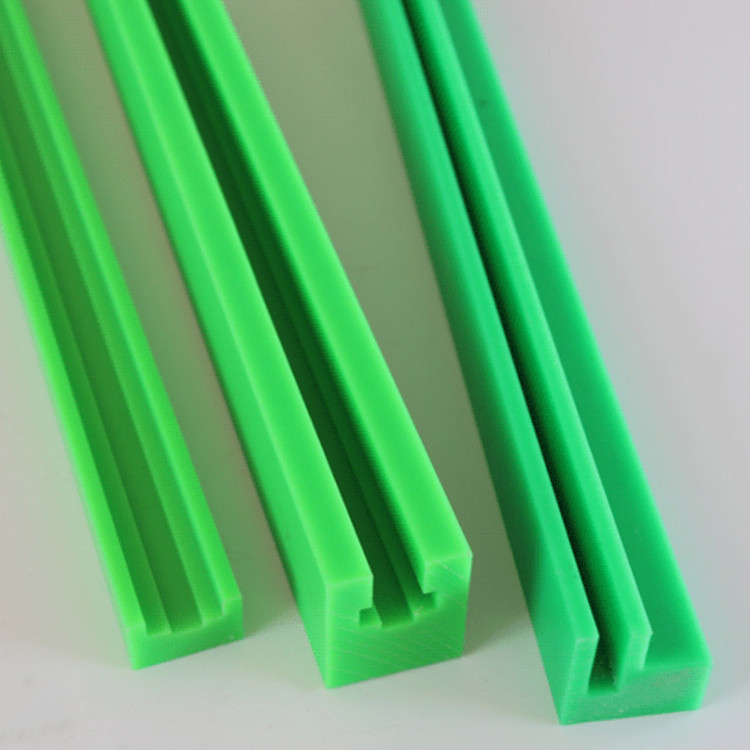
Future Trends: Where Plastic Guide Rail Will Go as Manufacturing Gets Smarter
Integration With AI-Based Predictive Maintenance Systems
As AI transforms manufacturing, plastic guide rail will play a role in predictive maintenance. Embedded sensors can detect wear, vibration, or temperature changes, allowing systems to forecast failures before they happen. This makes production lines more stable and cost-efficient.
New Material Innovations for Greater Strength and Sustainability
Future guide rail materials will incorporate stronger composites and eco-friendly formulations. These improvements will increase load capacity, reduce wear, and support sustainability goals without compromising performance.
Customization for Highly Specialized Smart Machinery
As automation becomes more specialized, the need for custom-shaped and modular plastic guide rail will grow. Customized designs enable perfect compatibility with robotic modules, compact conveyor layouts, and precision assembly tools.
Plastic Guide Rail As a Core Driver of Smarter, Cleaner, and Faster Manufacturing
Plastic guide rail are becoming an essential element of the smart manufacturing landscape. Their combination of lightweight structure, low friction, chemical resistance, and low maintenance requirements makes them ideal for modern automated systems. From robotics to conveyors and advanced monitoring technologies, they support smoother, cleaner, and more efficient production. As factories continue to adopt intelligent solutions, plastic guide rail will play an even greater role in shaping the future of manufacturing.