
- November 19, 2025
- Posted by: feinuojixie
- Category: Chain Guides News
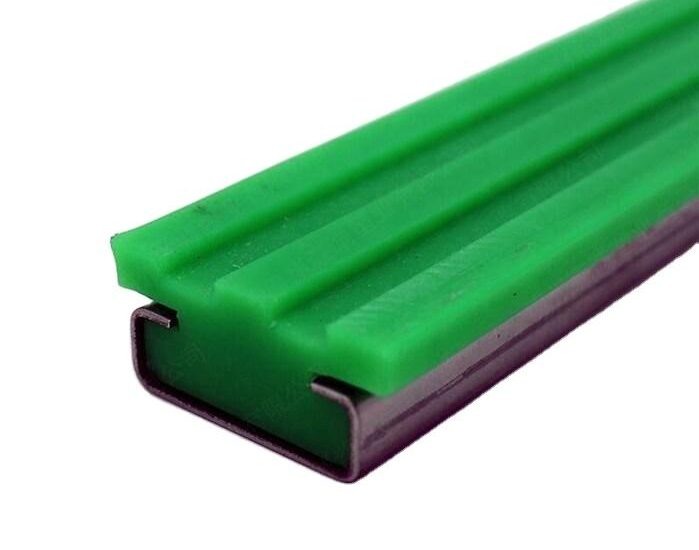
In today’s fast-paced manufacturing world, production line efficiency has become a key competitive factor for companies across every industry. As facilities push for higher speeds, tighter precision, and uninterrupted operation, even small components play an essential role in achieving smooth workflow. Among these components, the plastic guide rail has emerged as one of the most effective solutions for enabling high-speed product movement with minimal friction.
The shift toward plastic guide rail is driven by the need for consistent performance without the drawbacks of traditional metal alternatives. Plastic options provide a lightweight, low-friction, and corrosion-free guiding system that keeps products stable and flowing at high speed. This article explores how plastic guide rail enhance efficiency, support continuous production, reduce downtime, and improve overall product quality in modern high-speed manufacturing environments.
What Plastic Guide Rail Are and How They Work
Understanding the Core Function of Plastic Guide Rail
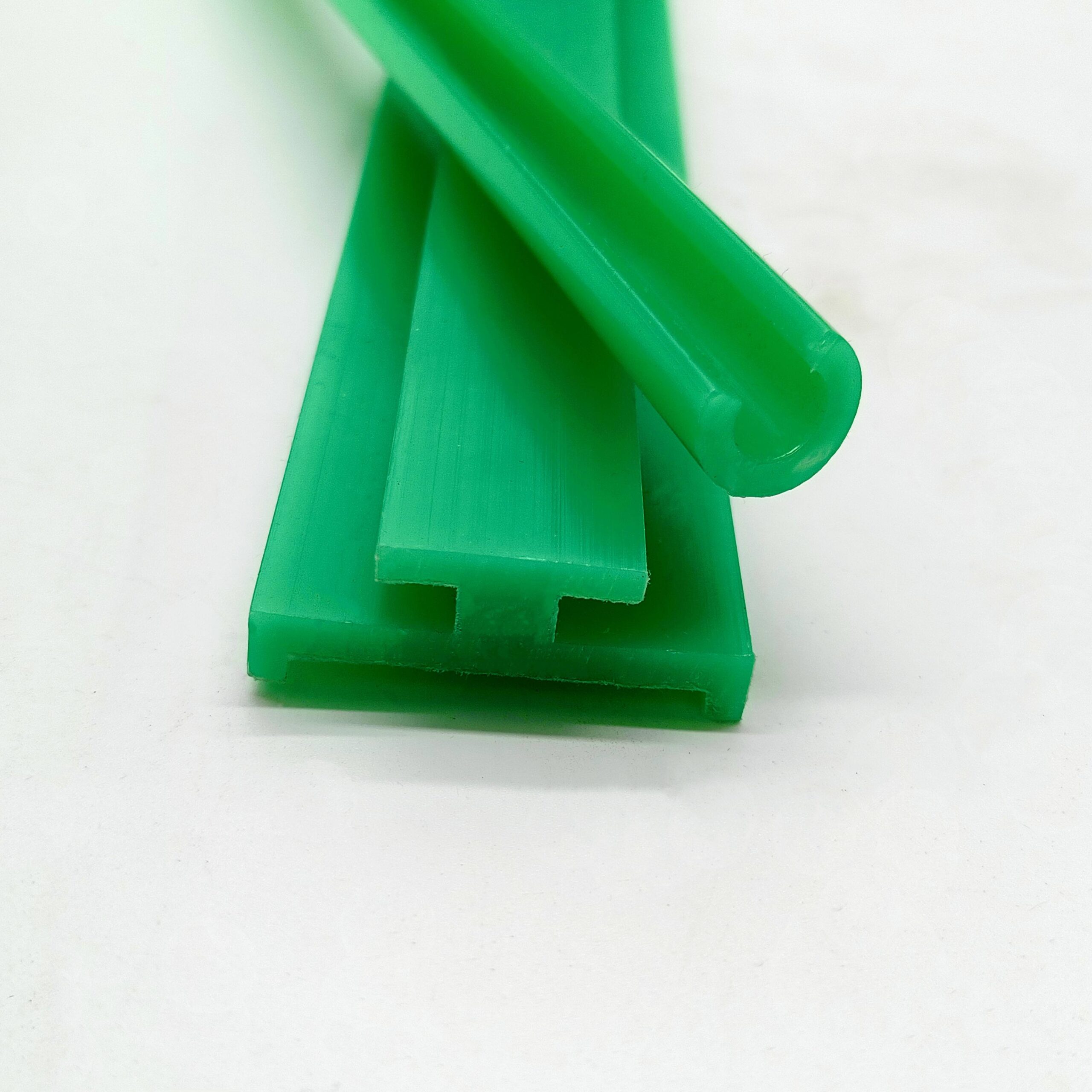
A plastic guide rail is a specially engineered component designed to direct, stabilize, and protect products as they move along a conveyor or automated production line. Its main function is to keep items aligned while minimizing friction and vibration. By providing a controlled pathway, a plastic guide rail ensures that products move smoothly even when the line operates at extremely high speed.
Key Material Properties That Enable High-Speed Performance
Plastic guide rail is developed using advanced polymer material known for low friction, excellent wear resistance, and strong dimensional stability. These material properties allow the rail to maintain consistent performance without generating excessive heat or wear. The lightweight nature of plastic also reduces load on mechanical equipment, helping production systems maintain reliable speed.
Where Plastic Guide Rail Fit in High-Speed Production Line Layout
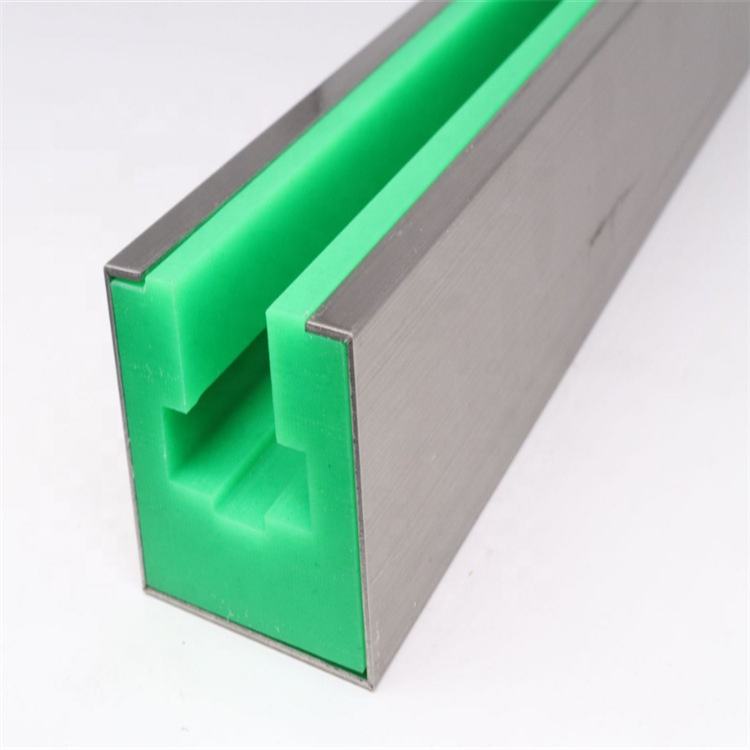
Plastic guide rail is typically installed along conveyor edges, transfer zones, accumulation areas, and curved sections where product flow is most critical. They integrate easily with belts, modular chains, and roller systems. Because they are flexible and easy to shape, plastic guide rail can be adapted to complex layouts while maintaining stable product guidance.
How Plastic Guide Rail Reduce Friction and Improve Line Speed
Low-Friction Operation for Faster Movement
One of the greatest strengths of plastic guide rail is its naturally low friction surface. This allows products to glide effortlessly, requiring less force from motors and driving systems. The result is smoother movement, reduced resistance, and the ability to increase line speed without compromising control.
Preventing Jams and Misalignment at High Speed
High-speed lines are more susceptible to jams, tipping, or misalignment. Plastic guide rail helps prevent these issues by keeping each product properly oriented and stable throughout its path. This reduces unexpected stoppages, protects product integrity, and keeps the entire system operating at maximum efficiency.
Enhancing Consistency for Automated Equipment
Automation relies on consistency, and plastic guide rail provide the stable flow required for robotic arms, sensors, and vision systems to function accurately. With predictable product positioning, automated equipment performs better, leading to higher throughput and fewer errors.
Durability Advantages of Plastic Guide Rail Under Continuous Operation
Heat and Wear Resistance in Heavy Use
High-speed production lines generate constant movement and high friction. Plastic guide rail withstand these demanding conditions thanks to their excellent wear resistance and minimal heat generation. This durability helps manufacturers maintain stable performance over long periods of operation.
Corrosion-Free Performance in Harsh Environments
Moisture, chemicals, and frequent cleaning can quickly degrade metal components. Plastic guide rail remain unaffected by these conditions, making them ideal for industries such as food processing, pharmaceuticals, and packaging where cleanliness and reliability are essential.
Long Service Life That Reduces Maintenance
Because plastic guide rail resist wear and corrosion, they require less frequent replacement. This reduces maintenance costs, minimizes downtime, and helps production lines operate continuously with fewer interruptions.
How Plastic Guide Rail Improve Product Protection and Quality
Scratch-Free Handling for Sensitive Products
Products such as bottles, cartons, or electronic components can be easily scratched or damaged by metal surfaces. Plastic guide rail eliminate this risk through their smooth, non-metallic construction. This ensures gentle product handling even during high-speed transfer.
Precision Guidance for Uniform Output Quality
Consistent product guidance leads directly to improved output quality. Plastic guide rail keep every item on the correct track, reducing product variation and enhancing overall uniformity. This is especially important in industries where precision and repeatability are essential.
Benefits for Food, Packaging, and Electronics Production
In food and beverage lines, plastic guide rail support hygiene and smooth handling. In electronics, they protect delicate components. In packaging, they ensure accurate alignment for labeling, filling, and sealing. Across all these sectors, plastic guide rail contribute to a more efficient and stable process.
Cost and Efficiency Gains Enabled by Plastic Guide Rail
Lower Maintenance Requirements
Plastic guide rail require minimal maintenance due to their resistance to wear, corrosion, and contamination. This decreases downtime for repairs and helps keep production running smoothly.
Energy Savings from Reduced Friction
Lower friction means less energy is required to move products along the line. Motors operate more efficiently, reducing overall energy consumption and lowering operating costs.
Total Cost of Ownership Advantage for Manufacturers
While initial costs may vary, the long-term savings from reduced maintenance, improved uptime, and energy efficiency make plastic guide rail a cost-effective choice for any high-speed operation.
Choosing the Right Plastic Guide Rail for High-Speed Production Line
Understanding Load, Speed, and Product Requirements
Selecting the correct plastic guide rail begins with evaluating the type of product being moved, its weight, the required line speed, and the overall production environment. These factors determine the appropriate rail strength and design.
Selecting the Right Material Grade
Different plastic material offer varying levels of performance. Some provide better chemical resistance, while others offer enhanced friction control or heat stability. Choosing the right grade ensures optimal performance and longevity.
Customization Options for Special Applications
Plastic guide rail can be customized into various shapes, colors, and mounting styles. Whether the line requires a curved section, extended height, or tight tolerance, customization makes it possible to adapt the rail precisely to the application.
The Future of High-Speed Production with Plastic Guide Rail
Plastic guide rail have become an essential component in modern manufacturing, enabling smoother movement, higher speed, and greater product protection. Their lightweight, low-friction, and corrosion-resistant properties make them ideal for demanding production environments where reliability is vital. As industries continue to push the limits of automation and speed, the performance advantages of plastic guide rail will play an even greater role in shaping the next generation of efficient, high-speed production lines.