
- October 31, 2025
- Posted by: feinuojixie
- Category: Injection Molding News
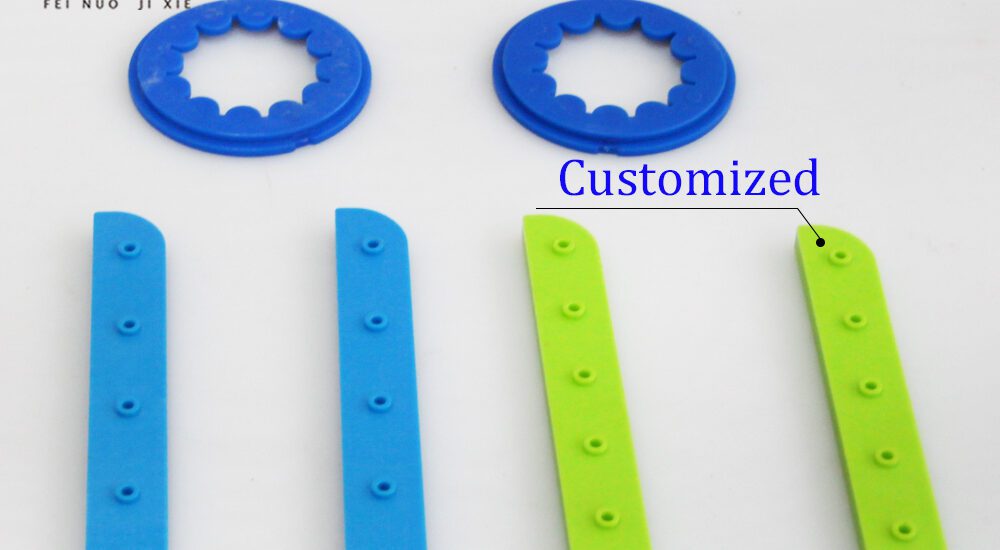
Plastic injection molding part has become the silent driving force behind the products we use every day. From the sleek design of smartphones to the ergonomic handle of kitchen tools, this technology shapes the look, feel, and function of modern consumer goods. While most people never think about it, plastic injection molding part plays a crucial role in making products more affordable, precise, and durable. The process has evolved from simple manufacturing to a core innovation platform, influencing how brands design and deliver products worldwide.
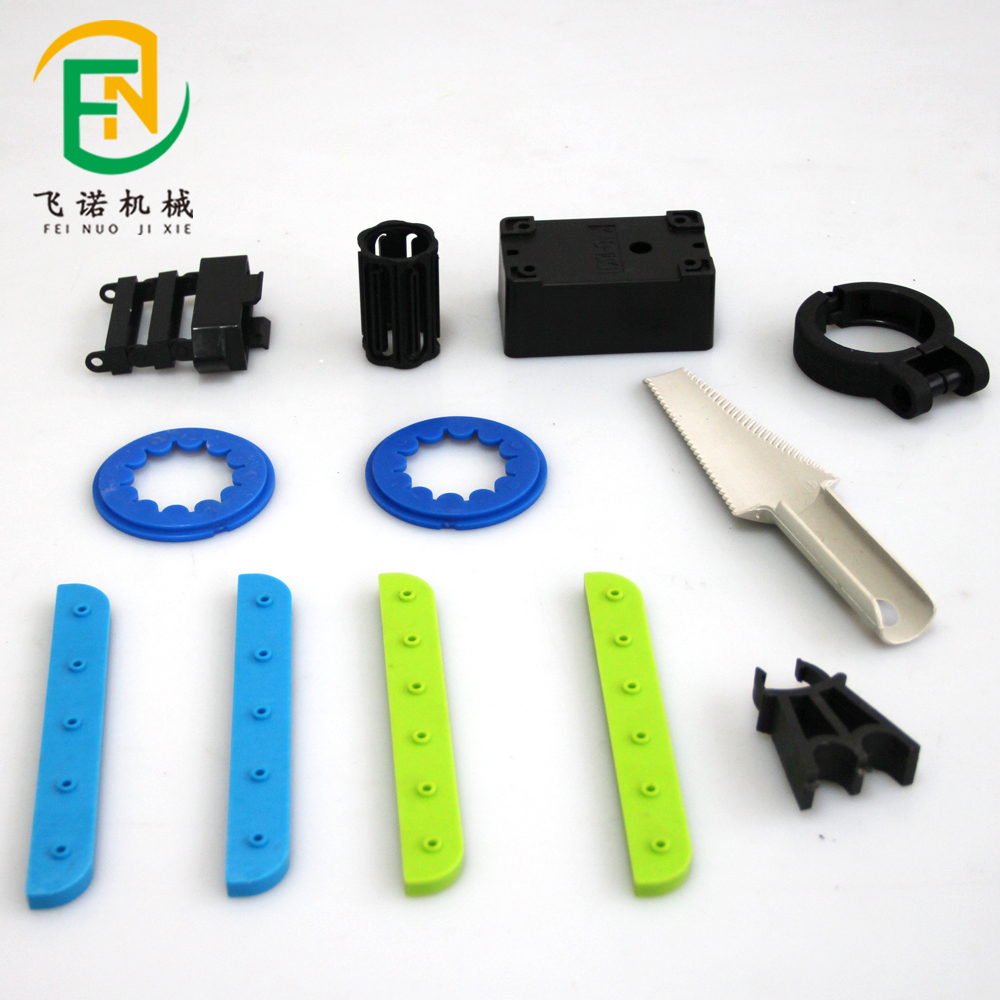
The Foundation of Modern Manufacturing: What Are Plastic Injection Molding Part?
Plastic injection molding part refers to components produced through a process where molten plastic is injected into a mold cavity, cooled, and then ejected as a solid piece. This manufacturing technique enables mass production of identical, high-quality parts at remarkable speed. It’s the reason why modern factories can produce millions of products—from phone cases to appliance panels—with consistent accuracy.
The process begins with the design of a mold, typically made from hardened steel or aluminum, which defines the shape and detail of the final part. Plastic pellets are melted, injected under high pressure, and allowed to cool within the mold. The result is a component that requires little finishing work and fits perfectly into its intended assembly. The precision, repeatability, and efficiency of plastic injection molding make it the foundation of modern manufacturing.
Why Plastic Injection Molding Part Matter in Consumer Product Design
When it comes to consumer product design, plastic injection molding part gives designers immense freedom to create shapes and structures that were once impossible. Complex curves, textured surfaces, and fine details can all be achieved with astonishing accuracy. This versatility allows companies to combine aesthetics with functionality—offering consumers visually appealing products that perform reliably over time.
Moreover, the process supports cost-effective scaling. Once the mold is made, producing each additional part becomes very economical, making it ideal for high-volume consumer markets. From smooth smartphone shells to lightweight car interior components, plastic injection molding part helps manufacturers achieve consistency, comfort, and cost efficiency—three pillars of successful product design.
Transforming Everyday Consumer Product Through Plastic Injection Molding Part
Plastic injection molding part has quietly transformed nearly every category of consumer products. In electronics, it enables sleek, protective casings for devices such as laptops, routers, and headphones. In household goods, it shapes items like food containers, vacuum cleaner housings, and water filters. In personal care, it forms the bodies of razors, hair dryers, and electric toothbrushes.
These examples show how flexible and adaptable the process is. It can produce both rigid and flexible components, thick or thin walls, smooth or textured surfaces—all from a single production method. By combining design precision with mass-production capability, plastic injection molding part has made modern convenience possible, defining the shape and quality of everyday life.
Driving Innovation and Sustainability with Plastic Injection Molding Part
In today’s world, innovation and sustainability go hand in hand, and plastic injection molding part plays a vital role in both. Manufacturers are adopting recycled and bio-based plastics to reduce environmental impact. Advanced molding techniques also minimize material waste by optimizing injection flow and cooling times.
New technologies such as microcellular injection molding and hybrid materials have improved part strength while reducing weight and energy consumption. These advancements mean that plastic injection molding is no longer just about making parts—it’s about creating sustainable, high-performance solutions for the future. As consumer demand for eco-friendly products grows, this process continues to evolve, setting new standards for responsible production.
Plastic Injection Molding Part and the Future of Smart Consumer Product
As technology advances, plastic injection molding part is finding new applications in smart devices and connected products. Molding techniques can now integrate electronic components directly into the plastic structure, allowing for seamless sensor placement, wireless charging modules, and LED lighting.
From wearable health trackers to home automation systems, plastic injection molding enables sleek, lightweight designs that combine technology and usability. The process ensures that even complex smart devices maintain durability and ergonomic comfort. As the Internet of Things continues to expand, plastic injection molding will remain a crucial technology for shaping the next generation of intelligent consumer products.
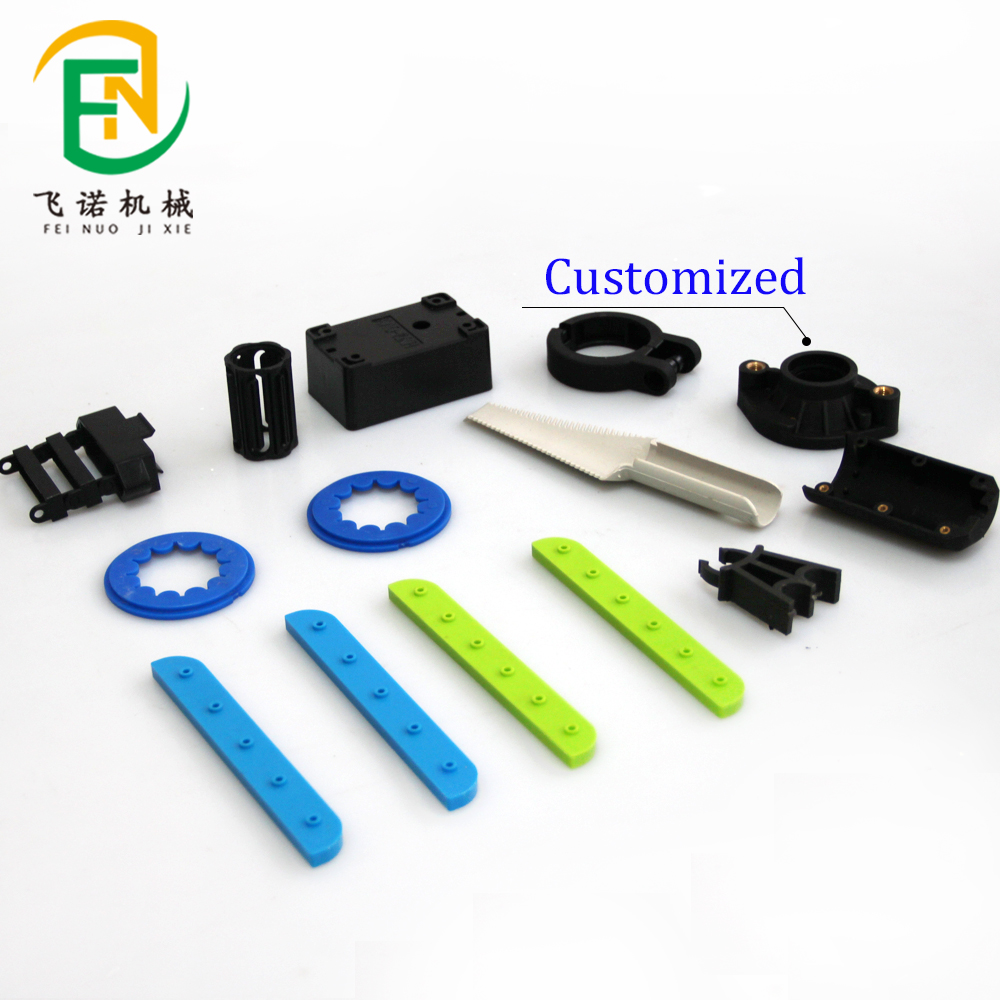
Challenges and Future Trends in Plastic Injection Molding Part
Despite its many strengths, plastic injection molding part also faces challenges. The initial cost of creating molds can be high, especially for intricate designs. Environmental concerns over plastic waste have also prompted a shift toward circular production models and advanced recycling systems.
However, the industry is responding with innovation. Automation and AI-driven mold design are improving production efficiency, while simulation software helps engineers optimize each stage of the molding process. Lightweight materials, faster cycle times, and digital twins are redefining what’s possible. The future of plastic injection molding lies in combining precision engineering with environmental responsibility—ensuring that progress and sustainability move forward together.
Shaping the Future of Consumer Innovation
Plastic injection molding part has not only transformed how products are made but also how they are imagined. It bridges the gap between creative design and large-scale production, offering a perfect blend of precision, efficiency, and adaptability. As materials and technologies advance, this process continues to push the boundaries of what consumer products can achieve.
From sustainability breakthroughs to smart integration, plastic injection molding remains the backbone of modern manufacturing innovation. Its impact extends far beyond factories—it shapes the very products that define contemporary life, revolutionizing consumer experiences one molded part at a time.