
- November 4, 2025
- Posted by: feinuojixie
- Category: Injection Molding News
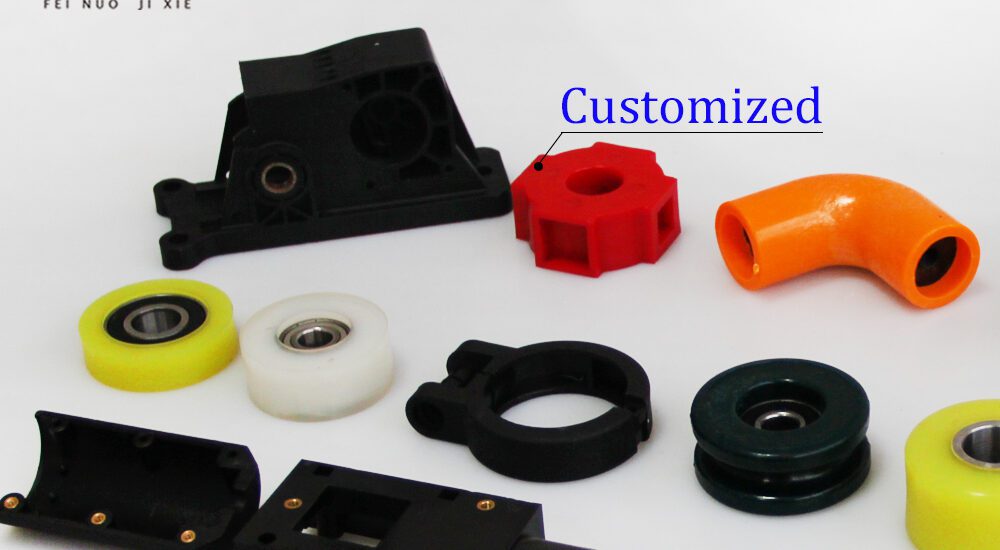
In today’s rapidly evolving industrial landscape, plastic injection molding part plays a vital role in defining the way products are designed, developed, and brought to life. Once seen primarily as a manufacturing technique for mass production, it has now become an integral part of industrial design thinking, allowing creators to merge beauty with precision and function with efficiency. From sleek automotive interiors to ergonomic consumer devices, this process enables designers to realize concepts that were once too complex or costly to produce.
What sets plastic injection molding apart is its ability to transform raw material into intricate, durable forms at scale—without sacrificing creativity. This fusion of artistry and engineering has made it one of the most powerful tools for modern product design. As industries move toward smarter, more sustainable, and customized solutions, plastic injection molding part continues to shape the future of how we design and manufacture everything around us.
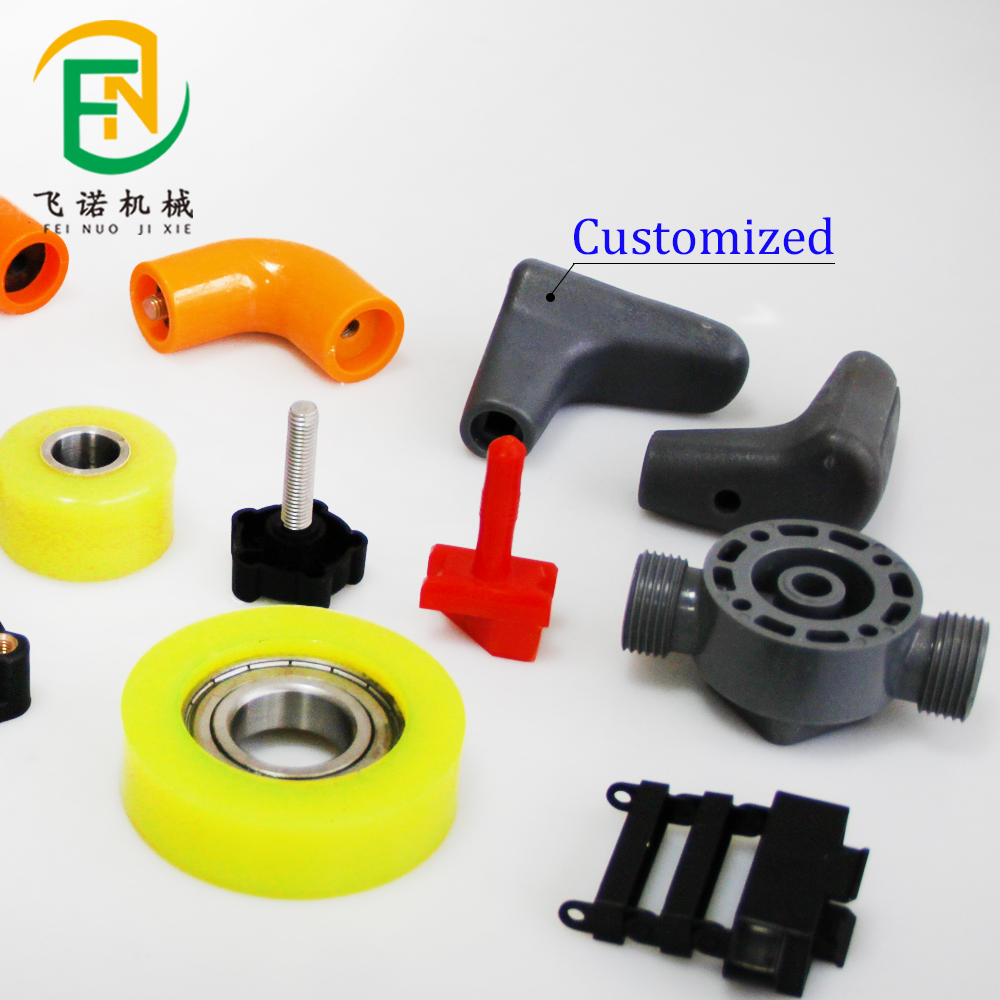
The Evolution of Industrial Design Through Plastic Injection Molding Part
The rise of plastic injection molding part has completely redefined the way industrial designers think about form, function, and feasibility. In the past, designers were often limited by the constraints of traditional manufacturing—complex shapes were costly, intricate details were hard to replicate, and consistency across large production runs was a challenge. Injection molding changed all of that.
By offering a method to reproduce identical parts with microscopic precision, this technology opened new creative horizons. Designers could finally translate their ideas into real-world products without compromising on aesthetic or structural integrity. Today, industries ranging from automotive to consumer electronics rely heavily on molding processes to bring innovation to market faster than ever before. The evolution of design has become tightly intertwined with the progress of molding technology, creating a synergy that drives continuous improvement in both fields.
Why Plastic Injection Molding Part is Driving Innovation in Product Development
Innovation thrives where flexibility meets precision—and that’s exactly what plastic injection molding part delivers. Designers can now explore previously impossible geometries, intricate textures, and lightweight designs, all while maintaining tight tolerances. This flexibility allows for faster prototyping and iteration, dramatically shortening the product development cycle.
Moreover, the ability to integrate multiple components into a single molded part reduces assembly needs and enhances durability. It also supports the creation of ergonomic designs tailored to human use, an essential factor in today’s user-centered design philosophy. By enabling seamless collaboration between engineers and designers, injection molding technology bridges creativity and manufacturability—fueling a new era of innovation in industrial design.
Customization and Flexibility: The Creative Edge of Plastic Injection Molding Part
One of the greatest strengths of plastic injection molding part lies in its versatility. Whether creating complex medical components or stylish consumer goods, the technology supports extensive customization. Designers can adjust colors, surface finishes, and materials to align perfectly with brand identity and user preferences.
The ability to tailor products at both small and large scales makes this method ideal for industries demanding aesthetic variety and functional precision. It empowers designers to transform ideas into personalized, high-performance products that stand out in competitive markets. This level of flexibility turns plastic injection molding from a manufacturing process into a creative platform—one where imagination meets practicality.
The Role of Material Science in Advancing Plastic Injection Molding Part
Behind every exceptional plastic injection molding part lies a deep understanding of material science. The development of high-performance polymers has expanded the boundaries of what’s possible in industrial design. Materials now offer exceptional strength, temperature resistance, and chemical stability, enabling the creation of parts that are both durable and lightweight.
These material advancements also allow designers to replace traditional metals with advanced plastics without sacrificing quality or safety. As new polymer blends continue to emerge—such as biodegradable and recyclable resins—the opportunities for innovation grow even further. Material science doesn’t just enhance performance; it transforms how designers think about sustainability, functionality, and product lifespan.
Sustainability in Focus: How Plastic Injection Molding Part Contribute to Eco-Friendly Design
Sustainability is no longer an option—it’s a necessity. Modern plastic injection molding part production emphasizes eco-friendly design principles that reduce environmental impact while maintaining quality. Through improved mold design, energy-efficient machinery, and the use of recycled or bio-based materials, the industry is taking significant steps toward a greener future.
The precision of injection molding also minimizes material waste, ensuring that every gram of plastic is used effectively. Additionally, the longevity and durability of molded parts reduce the need for frequent replacements, promoting long-term sustainability. Industrial designers now view this technology not just as a production method but as a key enabler of responsible innovation.
Integrating Technology: Smart Manufacturing and Plastic Injection Molding Part
As Industry 4.0 reshapes global manufacturing, plastic injection molding part is evolving alongside it. Automation, artificial intelligence, and IoT are now deeply integrated into molding processes, ensuring greater accuracy, reduced downtime, and consistent quality control. Real-time monitoring allows for instant adjustments, minimizing defects and optimizing efficiency.
For designers, this technological integration means enhanced collaboration with manufacturers. Digital simulations can predict how designs will perform before a single mold is made, saving time and resources. Smart manufacturing transforms injection molding into a data-driven process—one where precision meets adaptability, and design evolves at the speed of innovation.
Applications Across Industries: How Plastic Injection Molding Part Redefine Design Standards
The influence of plastic injection molding part extends across nearly every major industry. In the automotive sector, it enables lightweight components that improve fuel efficiency and safety. In consumer electronics, it delivers sleek casings and intricate parts that define modern device aesthetics. In healthcare, it supports the production of sterile, reliable medical instruments with unmatched precision.
Even household products, toys, and packaging benefit from the consistency and cost-effectiveness of injection molding. The ability to mass-produce detailed components without compromising quality has set a new benchmark for industrial design excellence. Each application demonstrates how molding has become the backbone of modern innovation.
The Future Outlook: What’s Next for Plastic Injection Molding Part in Industrial Design
The future of plastic injection molding part is full of exciting possibilities. As digital design tools advance, we can expect even greater synergy between creativity and manufacturing. Hybrid materials combining the best properties of metals and plastics are emerging, offering designers new ways to balance strength and flexibility.
Additive manufacturing, or 3D printing, is also being integrated with traditional molding to create hybrid production methods that allow for faster customization and prototyping. Meanwhile, AI-driven mold design will optimize material flow and cooling processes, pushing efficiency to new heights. Industrial design will continue to evolve alongside these innovations, driven by the limitless potential of injection molding.
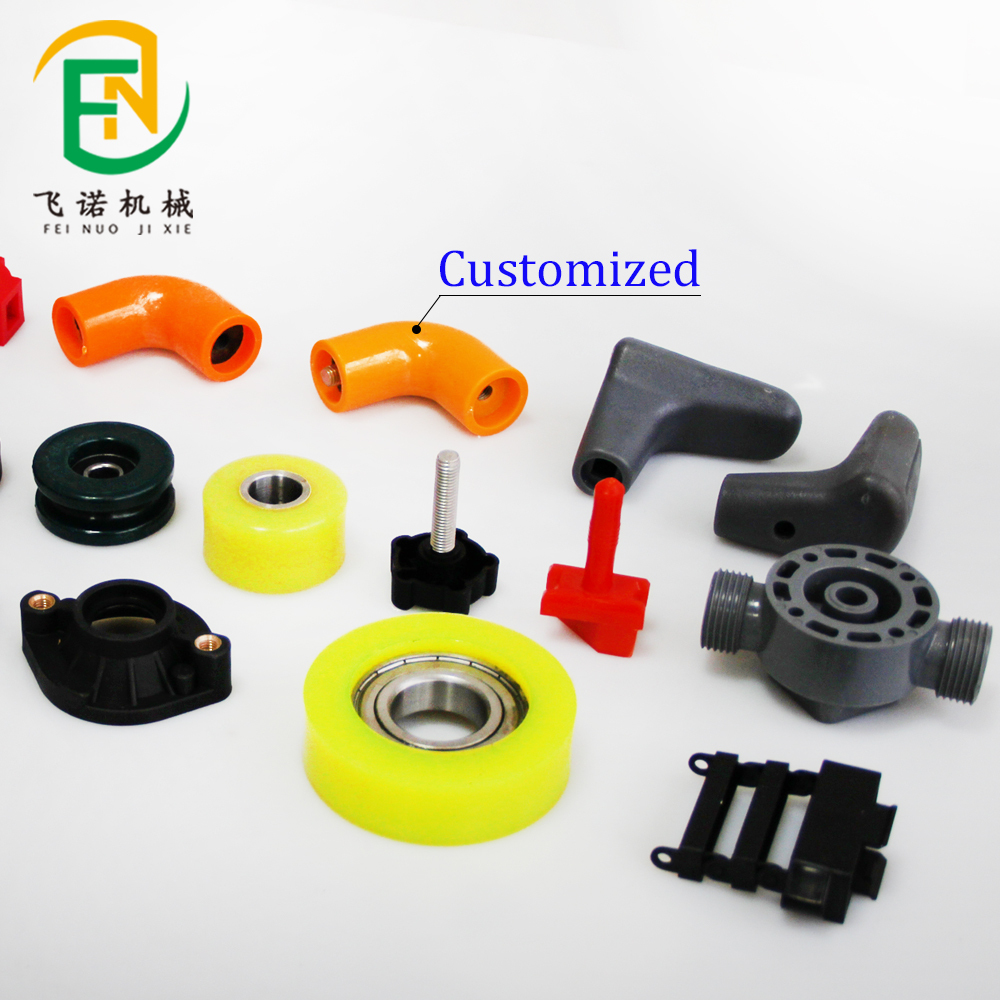
Molding the Future of Industrial Design
In the world of industrial design, plastic injection molding part stands as both a technological marvel and a creative catalyst. It bridges the gap between artistic vision and manufacturing precision, empowering designers to bring bold ideas to life efficiently and sustainably.
As industries continue to embrace innovation, this process will remain at the heart of modern product development—shaping not only the products we use but also the way we think about design itself. From concept to creation, plastic injection molding part is molding the future—one precisely engineered component at a time.