
- October 14, 2025
- Posted by: feinuojixie
- Category: Chain Guides News
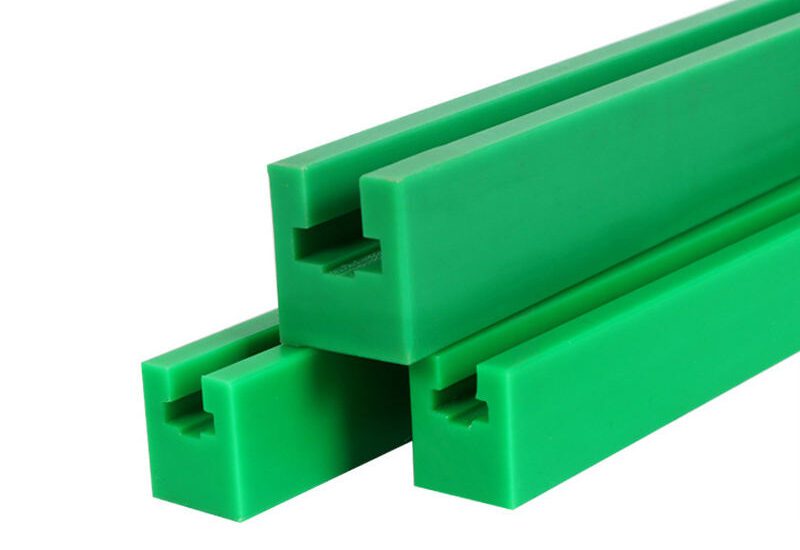
A chain guide wear strip is a crucial component within a chain drive system. It can be defined as a long, narrow piece that is designed to come into contact with the chain during its operation. This strip is typically made from materials such as plastic, rubber, or metal, each with its own unique advantages. For example, plastic wear strips are often lightweight, cost – effective, and have good self – lubricating properties, making them suitable for many general – purpose applications. Rubber wear strips, on the other hand, offer excellent shock – absorption capabilities, reducing the impact forces on the chain. Metal wear strips, usually made from hardened steel or other alloys, are extremely durable and can withstand high – stress environments.
In the chain drive system, the chain guide wear strip is positioned along the path of the chain. It is usually attached to a stationary part of the machinery, such as a frame or a housing, and is placed in a way that it guides the chain and provides a surface for the chain to slide or roll on.

Its Crucial Role in Machinery
The chain guide wear strip plays several vital roles in machinery. Firstly, it acts as a guide for the chain. Just like a railway track guides a train, the wear strip ensures that the chain moves in a straight and stable path. This is essential for the efficient transfer of power in the chain drive system. For instance, in a bicycle, the chain guide wear strip keeps the chain properly aligned with the gears, allowing for smooth gear shifting and efficient power transmission from the pedals to the wheels.
Secondly, it significantly reduces friction. As the chain moves, friction between the chain and other components can cause energy losses, heat generation, and accelerated wear. The wear strip provides a low – friction surface, minimizing these negative effects. In industrial conveyors, where long chains are used to transport heavy materials, the reduction of friction by the wear strip can lead to substantial energy savings and extended equipment lifespan.
Another important function is to prevent the chain from derailing. By providing a physical barrier and guiding the chain, the wear strip helps to keep the chain in place, even during sudden changes in speed or direction. In a motorcycle, a well – functioning chain guide wear strip ensures that the chain stays on the sprockets, preventing dangerous situations where the chain could come off while the vehicle is in motion.
Factors Affecting the Lifespan of Your Chain Guide Wear Strip
Friction and Wear
Friction is an inevitable part of the operation of a chain drive system. As the chain moves along the chain guide wear strip, the continuous contact between the two surfaces generates friction. Over time, this friction leads to wear on the wear strip. The more the chain moves, the more wear occurs.
In high – speed operations, the chain moves at a faster pace, increasing the frequency of contact with the wear strip. This results in higher frictional forces, which can quickly wear down the surface of the wear strip. For example, in high – speed conveyor systems used in some modern factories, the chains operate at speeds that can cause significant wear on the wear strips within a relatively short period.
Heavy – load conditions also play a role in accelerating wear. When the chain is carrying a large amount of weight or transmitting high levels of power, the pressure exerted on the wear strip increases. This increased pressure intensifies the frictional forces between the chain and the wear strip. In a mining operation, where chains are used to haul heavy loads of ore, the wear strips on the chain guides are subjected to extreme pressure and friction, leading to rapid wear.
Environmental Conditions
Environmental factors can have a profound impact on the lifespan of a chain guide wear strip. Temperature is one such factor. In high – temperature environments, the materials of the wear strip can become softer. For instance, if a plastic wear strip is exposed to high temperatures, it may start to deform or lose its structural integrity more quickly. This softening can cause the wear strip to wear out faster as it is less able to withstand the forces exerted by the chain. On the other hand, in extremely low – temperature conditions, the material may become brittle. A brittle wear strip is more likely to crack or break when the chain impacts it during operation, shortening its lifespan.
Humidity is another environmental concern. High humidity levels can cause corrosion in metal wear strips. Rust can form on the surface of the metal, which not only weakens the material but also creates a rough surface. This roughness increases friction between the chain and the wear strip, further accelerating wear. In addition, moisture can penetrate into the pores of plastic or rubber wear strips, causing swelling or degradation of the material over time.
Dust and debris in the operating environment can act as abrasives. When these particles get trapped between the chain and the wear strip, they can scratch and abrade the surface of the wear strip. In a construction site, where there is a lot of dust and small particles in the air, the chain guide wear strips are constantly exposed to these abrasive elements, leading to premature wear.
Corrosive substances, such as chemicals in industrial settings, can also damage the wear strip. If a wear strip comes into contact with acidic or alkaline substances, it can be chemically attacked. For example, in a chemical processing plant, certain chemicals can react with the material of the wear strip, causing it to deteriorate and lose its functionality much earlier than normal.
Installation and Alignment
Proper installation of the chain guide wear strip is crucial for its longevity. If the wear strip is not installed correctly, it can lead to uneven wear. For example, if the wear strip is not fastened securely to the machinery frame, it may shift during operation. This shifting can cause the chain to rub against the wear strip in an uneven manner, with some areas experiencing much higher friction and wear than others.
Chain alignment is equally important. A misaligned chain can put additional stress on the wear strip. When the chain is not running straight along the wear strip, it exerts lateral forces on the wear strip. These lateral forces can cause the wear strip to wear out on one side more quickly or even cause the wear strip to break if the misalignment is severe enough. Regularly checking the alignment of the chain and the installation of the wear strip can help to identify and correct any issues early on, thus extending the life of the wear strip.
Effective Ways to Extend the Life of Your Chain Guide Wear Strip
Proper Lubrication
Choosing the right lubricant is the first step in proper lubrication. Look for a lubricant that is specifically designed for chain guide wear strips. Synthetic lubricants often offer better performance in terms of heat resistance, wear protection, and longevity compared to traditional mineral – based lubricants. Consider factors such as the operating temperature range of your machinery. If it operates in high – temperature conditions, a high – temperature – resistant lubricant is essential to prevent the lubricant from breaking down.
The frequency of lubrication depends on the operating conditions of your machinery. For machinery with light – duty operations and relatively low – speed chains, lubricating once a month may be sufficient. However, for high – speed or heavy – duty applications, lubrication may be required as often as once a week or even more frequently.
When applying the lubricant, use a small, narrow – tipped applicator. This allows you to precisely apply the lubricant along the contact area between the chain and the wear strip. Apply the lubricant evenly, making sure to cover the entire length of the wear strip. Good lubrication forms a thin film between the chain and the wear strip, reducing the direct contact between the two surfaces. This film acts as a buffer, minimizing friction and thus reducing wear. It also helps to dissipate heat generated during operation, further protecting the wear strip from thermal degradation.
Regular Cleaning
Keeping your chain guide wear strip clean is of utmost importance. Dirt, dust, and debris that accumulate on the wear strip can act as abrasives. When the chain moves over a dirty wear strip, these particles can scratch and wear down the surface of the wear strip much faster than normal.
The frequency of cleaning depends on the operating environment. In a clean indoor environment with little dust or debris, cleaning once every few months may be enough. But in a dusty industrial setting or an outdoor environment with a lot of dirt, cleaning should be done at least once a month.
For cleaning, use a soft – bristled brush, such as a nylon brush. This type of brush is gentle enough not to damage the surface of the wear strip while effectively removing dirt and debris. A mild detergent mixed with water can be used as a cleaning agent for most materials. For metal wear strips, a specialized metal cleaner may be used to remove rust and other contaminants. After cleaning, make sure to dry the wear strip thoroughly to prevent moisture – related damage, especially if the wear strip is made of metal or a material that is sensitive to moisture.
Monitoring and Maintenance
Regularly checking the wear of your chain guide wear strip is a simple yet effective way to extend its life. Visual inspection is a good starting point. Look for signs of uneven wear, such as grooves or areas where the material seems thinner than others. Check for cracks or chips in the wear strip. If you notice any shiny spots on the wear strip, it could indicate that the material is being worn down.
You can also use simple tools for more accurate measurement. A caliper can be used to measure the thickness of the wear strip at different points. Compare the measurements over time to track the rate of wear. If the wear strip has worn down by more than 50% of its original thickness in some areas, it’s a sign that it may need to be replaced soon.
When you detect significant wear, don’t wait until the wear strip completely fails. Replace the worn – out parts promptly. Continuing to use a severely worn – out wear strip can lead to more serious problems, such as chain derailment or damage to other components in the chain drive system.
Correct Installation and Adjustment
When installing a chain guide wear strip, follow the manufacturer’s instructions carefully. First, make sure the surface where the wear strip will be attached is clean and free of any debris or old adhesive (if applicable). Use the appropriate fasteners or adhesive recommended by the manufacturer to secure the wear strip in place. Tighten the fasteners evenly to ensure that the wear strip is firmly attached and lies flat against the mounting surface.
For chain adjustment, use a tension gauge to set the correct chain tension. A chain that is too loose can cause excessive sag, leading to increased wear on the wear strip as the chain bounces and rubs against it. On the other hand, a chain that is too tight can put unnecessary stress on the wear strip and other components. Ensure that the chain is properly aligned with the wear strip. This may involve adjusting the position of the sprockets or the entire chain drive system. A well – aligned chain runs smoothly along the wear strip, reducing lateral forces and minimizing wear.

Case Studies and Real – World Examples
Success Stories of Extended Lifespan
A manufacturing plant that produces automotive parts serves as an excellent example. They were facing frequent replacements of chain guide wear strips in their conveyor systems, which was costly and caused production downtime. After implementing a regular cleaning schedule of once a week and using a high – quality synthetic lubricant every two weeks, they noticed a significant difference. The lifespan of their chain guide wear strips increased from an average of three months to over a year. This not only reduced the cost of purchasing new wear strips but also minimized production disruptions. The overall equipment efficiency improved by 20% as they no longer had to stop the production line frequently for wear strip replacements.
Another success story comes from a food processing factory. By closely monitoring the wear of their chain guide wear strips using a caliper every month and replacing the strips as soon as the wear reached 40% of the original thickness, they managed to prevent major equipment failures. Before this practice, they had experienced several chain derailments due to severely worn – out wear strips, which led to product contamination and production losses. After adopting these measures, they saved approximately $20,000 per year in maintenance and production loss costs.
Lessons Learned from Failures
In a construction company, the management neglected the maintenance of chain guide wear strips on their heavy – duty lifting equipment. They rarely cleaned the wear strips, and lubrication was only done haphazardly when the operators remembered. As a result, the wear strips wore out unevenly in a short period. One day, during a lifting operation, a chain suddenly derailed due to a severely worn – out wear strip. The load being lifted was dropped, causing damage to the construction site and a temporary halt in the project. The company had to pay for the damaged equipment, compensate for the delay in the project, and conduct a safety investigation. The total cost of this incident exceeded $50,000. This case highlights the importance of regular maintenance and the consequences of neglecting chain guide wear strip care.
A printing press also faced a similar situation. They failed to check the alignment of the chains and the installation of the wear strips. Over time, the misaligned chains caused excessive lateral forces on the wear strips. The wear strips started to crack and break, and the chains began to skip, leading to poor – quality printing. The company had to invest a significant amount of money in repairing the chain drive system, replacing multiple wear strips, and reprinting the defective products. This experience taught them that proper installation and regular alignment checks are crucial for the smooth operation of the equipment and the longevity of the chain guide wear strips.
Conclusion
Recap of Key Points
In summary, chain guide wear strips are integral to the smooth operation of chain – drive machinery. Their lifespan is significantly influenced by factors such as friction, environmental conditions, and proper installation. By understanding these factors, we can take proactive steps to extend their life. Regular cleaning, proper lubrication, and vigilant monitoring are essential maintenance practices. Cleaning removes abrasive particles, lubrication reduces friction, and monitoring helps in early detection of wear, allowing for timely replacement. Correct installation and adjustment ensure that the wear strip functions optimally from the start.
Final Thoughts on Maintenance
Taking good care of your chain guide wear strip is not just about prolonging its life; it’s about ensuring the reliable and efficient operation of your machinery. By investing a little time and effort in regular maintenance, you can avoid costly breakdowns, reduce replacement costs, and increase the overall productivity of your equipment. Whether it’s a small – scale operation like a bicycle or a large – scale industrial setup, the principles of maintaining chain guide wear strips remain the same. So, make maintenance a priority and enjoy the benefits of a well – functioning chain drive system for years to come.