
- November 10, 2025
- Posted by: feinuojixie
- Category: Injection Molding News
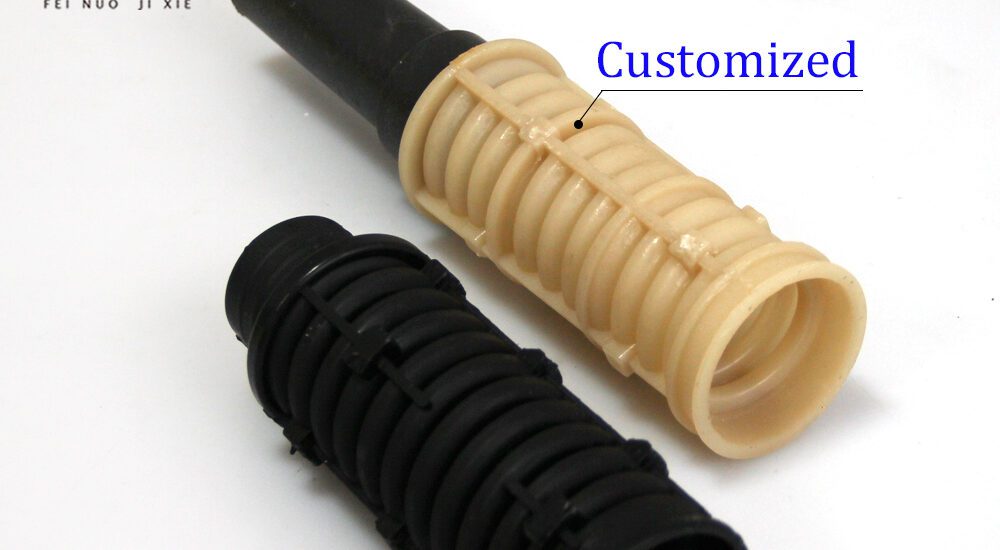
In today’s competitive manufacturing landscape, the quality of each injection molded part defines the overall success of a product. A single defective component can compromise performance, damage a brand’s reputation, or lead to costly recalls. Every part produced must not only meet dimensional accuracy but also maintain strength, consistency, and visual appeal. Manufacturers who understand that quality is built into each stage of production—from design to inspection—can achieve lasting excellence and outperform competitors.
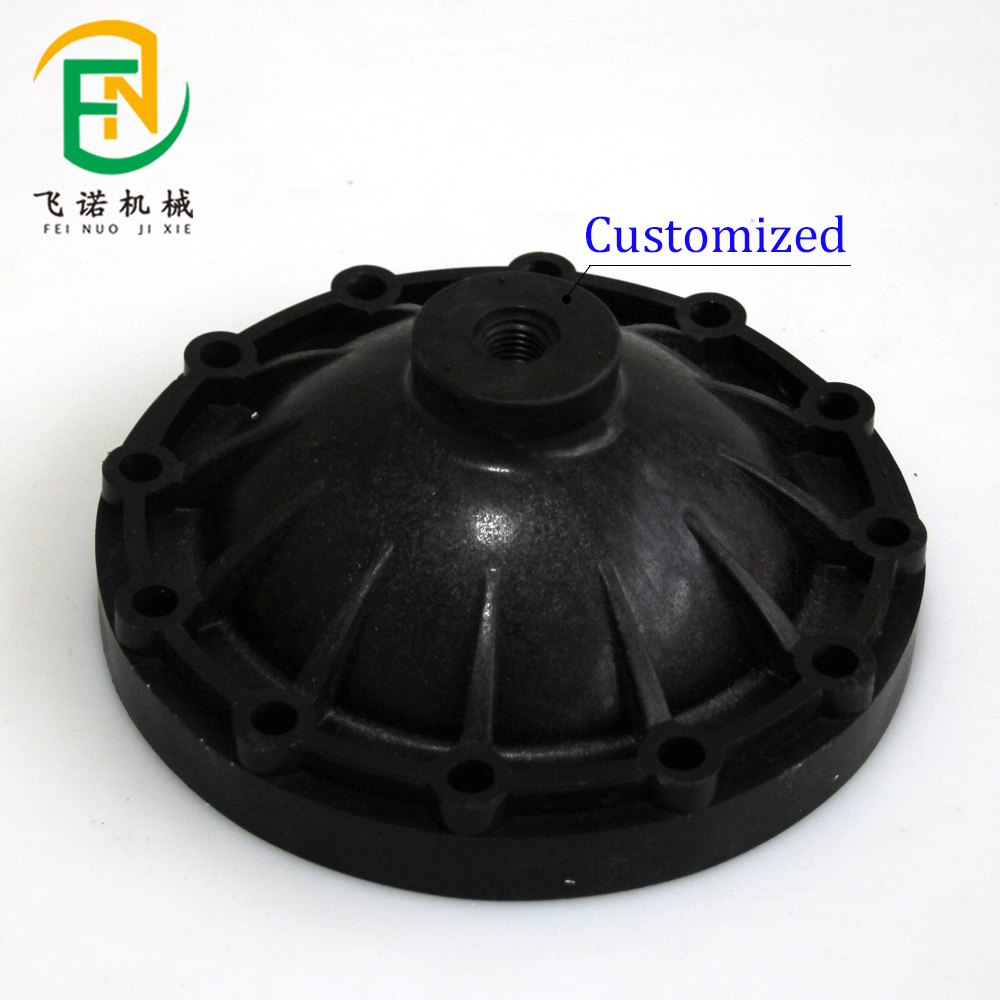
Understanding the Role of Design in a High-Quality Injection Molded Part
The design stage is where quality begins. Every curve, angle, and wall thickness directly affects how an injection molded part performs and how easily it can be manufactured. A well-thought-out design minimizes stress points, ensures even material flow, and reduces the risk of defects such as warping or sink marks.
Engineers must carefully balance functionality and manufacturability. For instance, adding proper draft angles allows the part to eject smoothly from the mold, preventing surface damage. Similarly, maintaining consistent wall thickness helps control cooling rates, ensuring dimensional stability. A strong design foundation not only saves costs but also sets the stage for repeatable, high-quality production.
Material Selection: The Foundation of a Reliable Injection Molded Part
Material selection determines how a part performs under real-world conditions. The right polymer can make the difference between a part that lasts years and one that fails prematurely. Factors such as strength, flexibility, temperature resistance, and chemical compatibility all play crucial roles.
For example, ABS is ideal for durable housings due to its toughness and glossy finish, while polycarbonate offers superior impact resistance for safety-critical components. Nylon, on the other hand, provides excellent wear resistance, making it perfect for mechanical parts. Matching the material’s properties with the part’s intended function ensures long-term reliability and performance. In short, great materials make great parts.
Precision Tooling: The Key to Consistent Injection Molded Part Quality
The mold itself is the heart of injection molding. Precision tooling ensures that every injection molded part produced is accurate, repeatable, and free of imperfections. High-quality molds are made from durable materials such as hardened steel and require exact machining tolerances to maintain consistency over thousands or even millions of cycles.
Beyond initial design, regular maintenance and cleaning are essential to preserve tool integrity. A neglected mold can lead to flashing, dimensional errors, or surface defects. Investing in precision tooling and proper upkeep is one of the most effective ways to guarantee consistent part quality and reduce production downtime.
Optimizing Process Parameters for the Perfect Injection Molded Part
Even with an excellent design and mold, achieving perfection depends on fine-tuning process parameters. Temperature, pressure, injection speed, and cooling time must all be optimized to create a flawless injection molded part. Small variations can lead to visible defects, dimensional inaccuracies, or weak areas.
Process engineers monitor and adjust these variables to achieve optimal results. Advanced machines equipped with sensors and closed-loop controls help maintain precise conditions throughout production. When parameters are balanced, parts come out uniform, strong, and ready for assembly—every single time.
Quality Control and Inspection: Ensuring Every Injection Molded Part Meets Standards
No process is complete without thorough quality control. Each injection molded part must undergo inspection to verify that it meets specifications and visual standards. Modern factories rely on advanced metrology tools like coordinate measuring machines (CMM) and laser scanners to confirm dimensional accuracy.
Visual inspections detect surface flaws, while statistical process control (SPC) tracks variations and identifies trends before defects occur. A robust quality control system not only ensures compliance but also builds customer confidence. The goal is simple—zero defects and maximum consistency.
Design for Manufacturability (DFM): Making the Injection Molded Part Right from the Start
Design for Manufacturability, or DFM, bridges the gap between design and production. By involving manufacturing experts early in the design phase, potential issues can be addressed before they become costly problems. This proactive approach helps ensure that each injection molded part is optimized for both performance and ease of production.
Through DFM, designers can adjust wall thicknesses, gate locations, and part geometry based on feedback from mold engineers. The result is a design that produces fewer defects, shorter cycle times, and lower overall costs. When design and manufacturing work hand in hand, quality becomes an inherent outcome rather than a target to chase.
Common Defects in an Injection Molded Part and How to Prevent Them
Even experienced manufacturers encounter defects such as warping, sink marks, short shots, and flash. However, these issues can be minimized through proper design, process control, and maintenance.
Warping often results from uneven cooling; optimizing mold temperature and wall thickness can prevent it. Sink marks typically occur in thicker sections and can be reduced by uniform material distribution. Short shots stem from inadequate pressure or poor venting, while flash appears when the mold doesn’t close tightly. Understanding these root causes allows engineers to eliminate problems before they reach the production line, ensuring consistent, high-quality results.
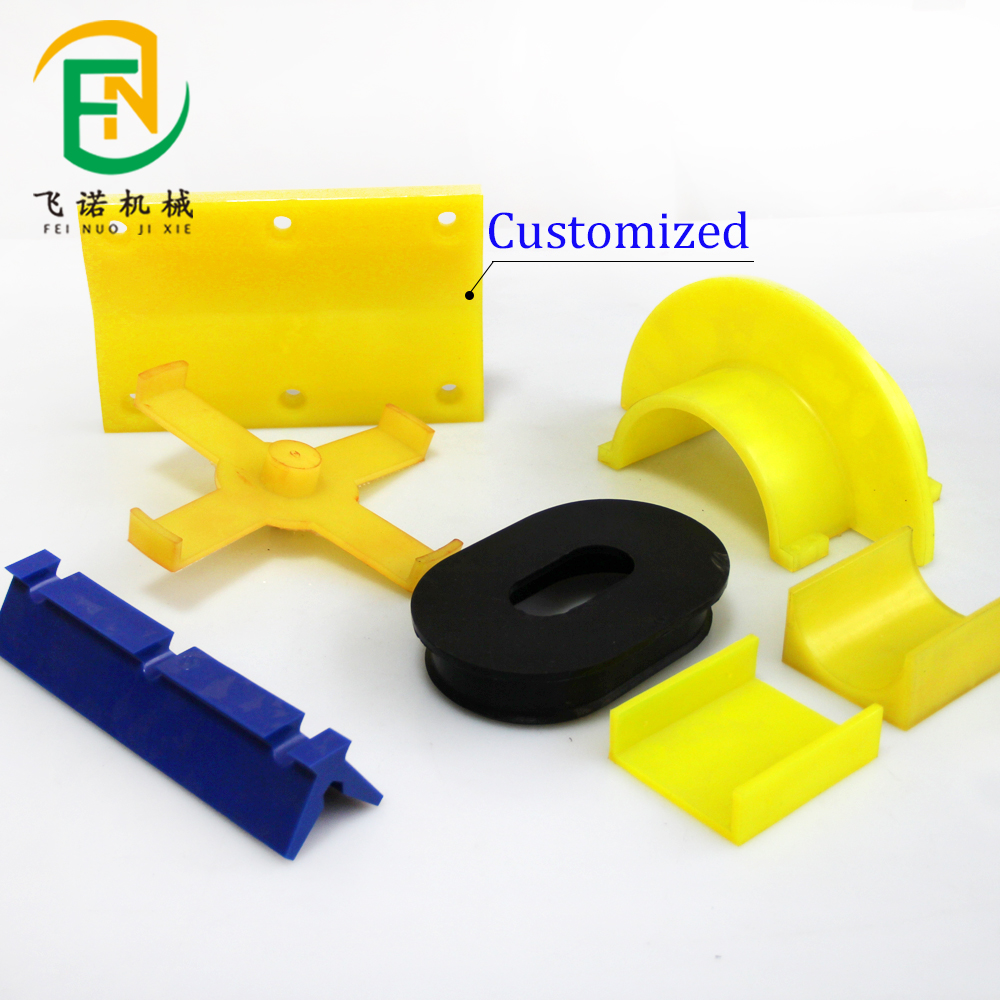
Continuous Improvement: Using Data and Feedback to Perfect Every Injection Molded Part
Quality is not a one-time achievement—it’s a continuous process. Leading manufacturers collect data from machines, inspections, and customer feedback to identify opportunities for improvement. By analyzing this data, they can refine parameters, upgrade tooling, and enhance design features.
Technologies such as machine learning and digital twins are transforming how manufacturers monitor and predict performance. Over time, this data-driven approach leads to smarter processes, reduced waste, and superior part quality. Every injection molded part becomes better than the last, driving ongoing progress and innovation.
Building a Reputation for Excellence with Every Injection Molded Part
Improving product quality is not about one single step—it’s about mastering the entire journey from design to delivery. Every injection molded part represents an opportunity to uphold precision, consistency, and craftsmanship. By focusing on smart design, proper material selection, precise tooling, and continuous improvement, manufacturers can produce parts that stand the test of time.
When each part contributes to product excellence, customers notice. They trust the brand, rely on its consistency, and become loyal advocates. In the world of manufacturing, quality is more than a metric—it’s a promise fulfilled with every injection molded part produced.