
- December 8, 2025
- Posted by: feinuojixie
- Category: Chain Guides News
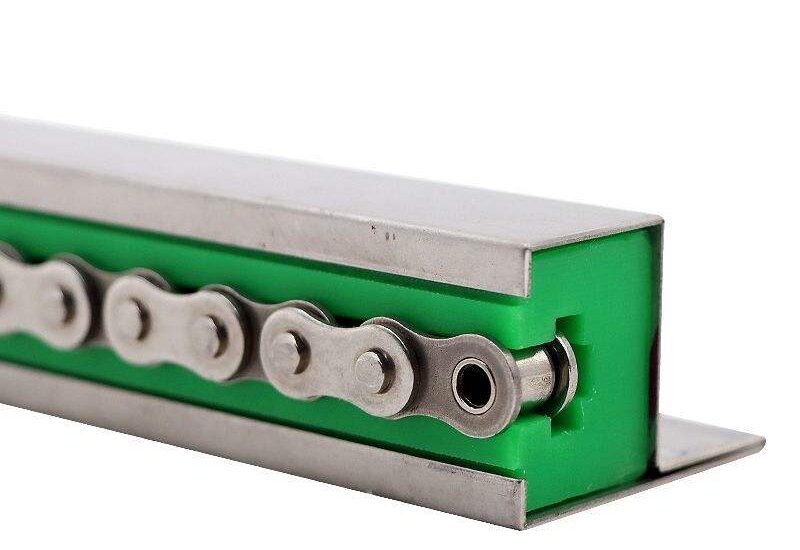
In today’s fast-paced manufacturing environment, even a few minutes of unexpected downtime can ripple into major production delays, missed deadlines, and unnecessary financial losses. One often overlooked but highly influential component is the UHMW chain guide—a small piece of engineering that determines how smoothly, quietly, and consistently a conveyor system operates. When the UHMW chain guide is designed and manufactured to a high standard, it ensures proper chain tracking, minimizes friction, and prevents premature equipment wear. But when the guide is low quality, misalignment, jamming, and unexpected breakdowns can quickly follow. Understanding how a high-quality UHMW chain guide supports production stability is the first step to preventing costly interruptions and protecting your bottom line.
Understanding the UHMW Chain Guide and Its Critical Function
What a UHMW Chain Guide Actually Does in a Conveyor System
A UHMW chain guide provides the track, stability, and support that a conveyor chain relies on for smooth operation. It keeps the chain properly aligned, prevents lateral movement, and ensures consistent engagement with sprockets and drive elements. Without a reliable guide, the chain can drift, jump, or scrape against metal components—creating unnecessary friction and increasing the likelihood of operational stoppages. The UHMW chain guide essentially acts as the backbone of chain motion control, ensuring every link moves in the path it should.
How a UHMW Chain Guide Reduces Friction and Mechanical Resistance
UHMW material is known for extremely low friction, allowing the chain to glide with minimal resistance even under heavy loads or high-speed operation. This self-lubricating property reduces drag, prevents heat buildup, and lowers the stress placed on motors and bearings. The result is a smoother-running system that requires less energy and is far less prone to breakdown. By minimizing frictional wear, the UHMW chain guide directly extends the life of both the chain and surrounding components.
How Downtime Happens: Common Failure Points When a UHMW Chain Guide Is Low Quality
Misalignment Issues That Lead to Chain Jumping and Jamming
A low-quality UHMW chain guide may be poorly machined, uneven, or unable to maintain its shape over time. When the guide does not hold the chain securely in place, the chain may jump off track, causing sudden stoppages or mechanical jams. These events not only disrupt production but can also damage expensive chain assemblies or drive systems. Misalignment is one of the leading sources of unexpected downtime—and often the result of a guide that cannot maintain dimensional integrity.
Excess Wear from Inferior Material That Accelerates Chain Damage
If a UHMW chain guide is made from low-grade resin, it can wear down rapidly, deform, or even crack under load. This creates rough surfaces that increase friction and cause accelerated chain wear. As the guide deteriorates, debris may accumulate, further contributing to operational issues. Equipment operators often mistake this accelerated wear as a chain problem when the true cause is the poor-quality guide itself.
Heat Buildup and Noise Problems That Signal Impending Failure
A failing UHMW chain guide often produces more heat and noise during operation. Excess heat indicates excessive friction—often due to improper material selection or surface degradation. Increased noise is another sign that the chain is no longer gliding smoothly and that a failure may be imminent. Ignoring these early warning signs can lead to sudden breakdowns and expensive repair costs.
Key Features of a High-Quality UHMW Chain Guide That Prevent Downtime
High Molecular Weight Material That Maintains Structural Stability
Premium UHMW has exceptional strength, impact resistance, and durability. The higher the molecular weight, the better the guide maintains its shape under continuous pressure. This helps prevent deformation that can lead to misalignment and chain instability.
Enhanced Lubricity for Smooth, Low-Resistance Chain Movement
A high-quality UHMW chain guide delivers consistent low-friction performance throughout its lifespan. This reduces the mechanical load on the system, prevents overheating, and allows long hours of operation without excessive wear or distortion.
Precision Machining for Accurate Chain Tracking
Reliable manufacturers use precision machining to ensure tight tolerances and consistent guide geometry. This guarantees that the chain stays in the proper track and operates without side-to-side drift. The result is smoother motion, fewer stoppages, and significantly less stress on the equipment.
Impact and Vibration Absorption That Protects Drive Components
Premium UHMW significantly reduces vibration transmission and absorbs shock loads during operation. This protection benefits sprockets, bearings, and motors, all of which last longer when not exposed to constant mechanical stress. This additional cushioning effect also reduces noise levels, supporting a safer and more comfortable working environment.
How to Select the Right UHMW Chain Guide for Your Operating Environment
Matching UHMW Chain Guide Design to Load, Speed, and Chain Type
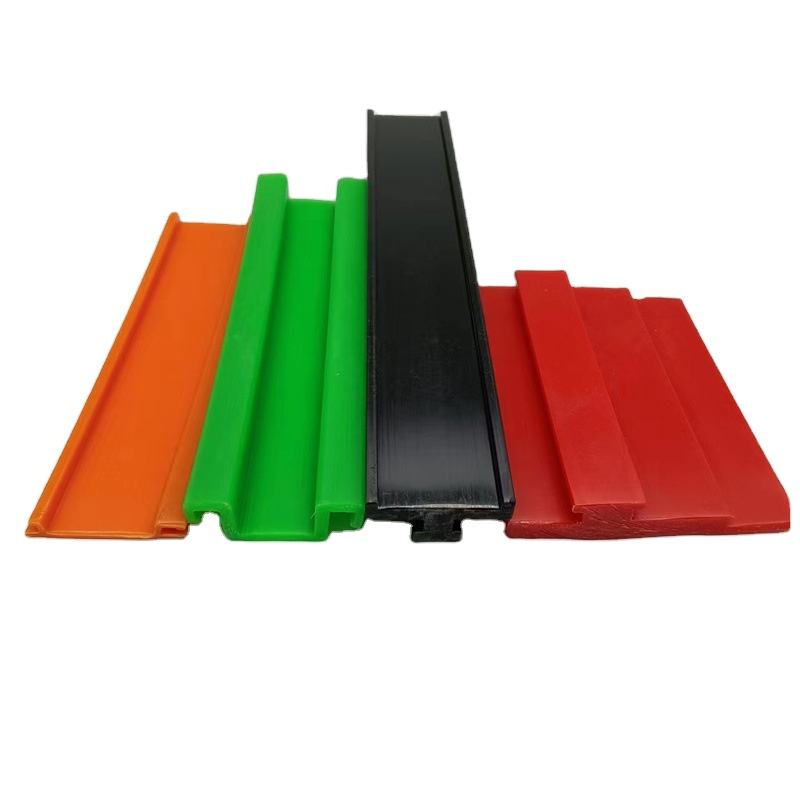
The correct guide profile, thickness, and channel geometry depend on the operating load, conveyor speed, and chain specifications. Heavier loads require stronger structural support, while high-speed systems need exceptionally smooth surfaces to prevent drag. Selecting a guide design tailored to the system ensures optimal performance and maximum life.
Choosing UHMW Grades for High Temperature, Chemical Exposure, or Moisture
Different UHMW formulations offer advantages under specific conditions. High-temperature grades resist deformation near heat sources, while chemical-resistant versions are essential for corrosive environments. Moisture-rich areas benefit from UHMW with exceptional water stability. Matching the grade to the environment prevents unexpected failures caused by material mismatch.
Why Partnering with a Reputable Manufacturer Prevents Unexpected Failures
A dependable supplier provides consistent material quality, engineering expertise, and proper machining. They also perform testing to verify performance and durability. Partnering with a qualified manufacturer ensures you receive a UHMW chain guide that meets industry standards and performs reliably under real operating conditions.
Maintenance Best Practices to Ensure Your UHMW Chain Guide Prevents Downtime
Routine Inspection Techniques That Catch Early Wear Signs
Operators should regularly examine the guide for abrasion marks, surface roughness, deformation, or chain misalignment. Even small defects can worsen quickly under load. Early detection allows maintenance teams to address issues before they lead to system failure.
Cleaning and Lubrication Procedures That Extend Guide Life
While UHMW provides inherent lubricity, regular cleaning removes debris that may cause friction or accelerate wear. Systems operating in dusty or dirty environments should be cleaned more frequently. Although lubrication is often unnecessary, periodic checks ensure that no contaminants compromise performance.
When to Replace Your UHMW Chain Guide Before a Breakdown Occurs
A UHMW chain guide may last months or years depending on usage, but it should be replaced when signs of excessive wear or deformation appear. Waiting until failure increases the risk of chain jamming or equipment damage. A preventive replacement schedule is one of the simplest and most cost-effective ways to avoid downtime.
Real-World Benefits: How Companies Reduce Downtime with a UHMW Chain Guide Upgrade
Case Example: Eliminating Chain Jamming in a High-Speed Conveyor Line
A packaging facility dealing with repeated chain jams discovered the issue was caused by an inferior guide that warped under heat. After upgrading to a properly machined UHMW chain guide, the system’s chain remained stable even during rapid-speed operation. Downtime dropped by more than 80%, and production output increased immediately.
Case Example: Lower Wear Rate Leading to Longer Equipment Lifespan
A food processing plant struggled with rapid chain wear due to abrasive conditions. By switching to a higher-grade UHMW chain guide with improved lubricity, the chain’s lifespan doubled, maintenance frequency decreased, and overall repair costs were significantly reduced.
Investing in a High-Quality UHMW Chain Guide Pays for Itself
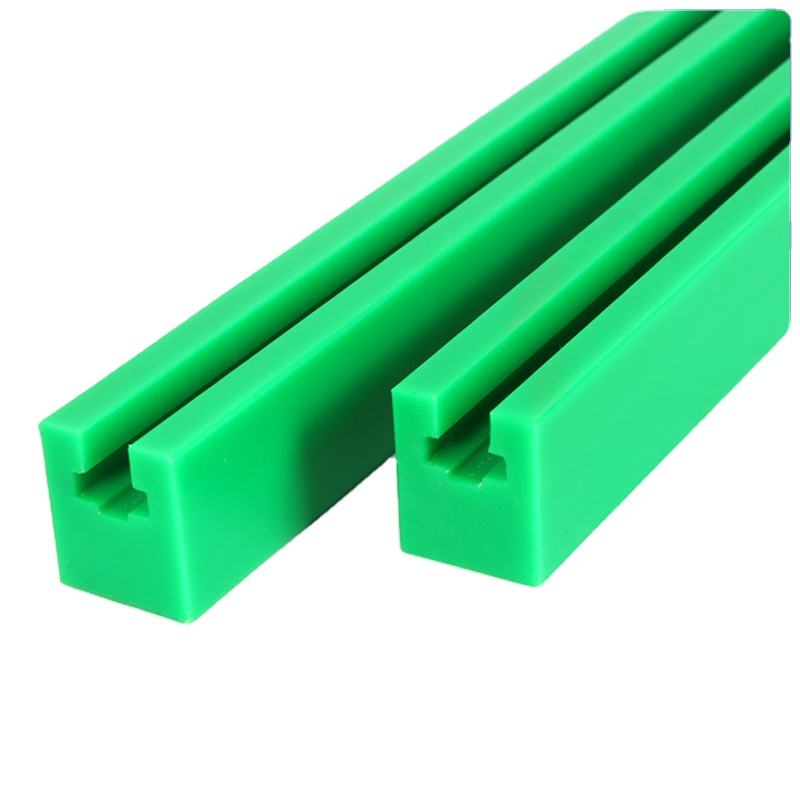
Downtime is expensive, but in many cases, it is preventable. A high-quality UHMW chain guide offers superior alignment, lower friction, higher durability, and greater operational stability—all of which help prevent unexpected stoppages. By choosing the right material grade, ensuring proper machining, and following consistent maintenance practices, companies can dramatically reduce equipment failures and keep production running smoothly. Investing in a premium UHMW chain guide is not just a small upgrade; it is a smart strategy that delivers measurable savings and long-term operational reliability.