
- November 27, 2025
- Posted by: feinuojixie
- Category: Chain Guides News
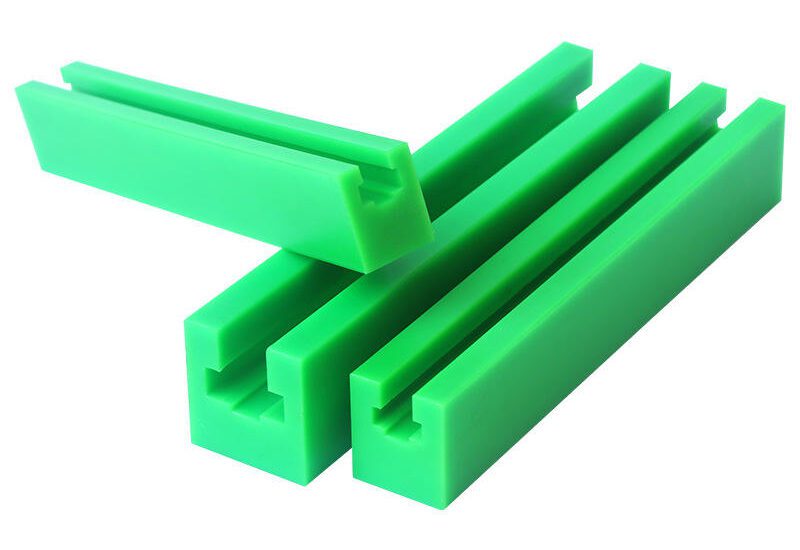
In fast-moving production environments, every component that influences friction, speed, and mechanical stability plays a critical role in overall performance. A plastic wear strip may look like a simple accessory, but it is a fundamental contributor to system efficiency and long-term reliability. By serving as a protective interface between moving parts, it prevents metal-to-metal contact, reduces energy consumption, and minimizes vibration. When the wrong material or design is selected, equipment quickly suffers from increased wear, excessive noise, frequent breakdowns, and rising maintenance costs. Selecting the right plastic wear strip is therefore not just a technical choice but a strategic one—an investment that directly impacts uptime, productivity, and the lifespan of your machinery.
Understanding What a Plastic Wear Strip Is and How It Functions
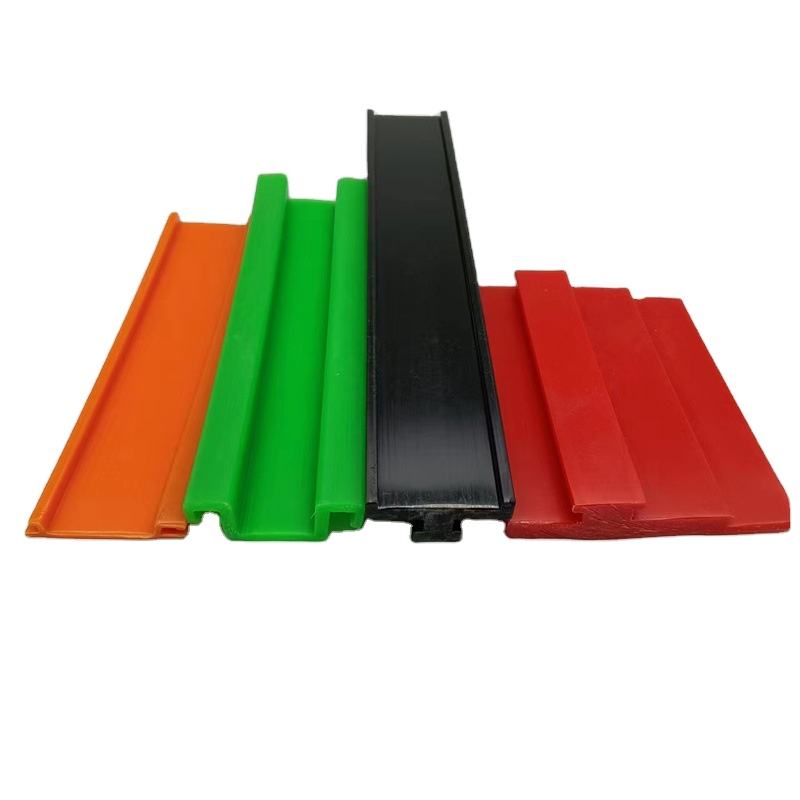
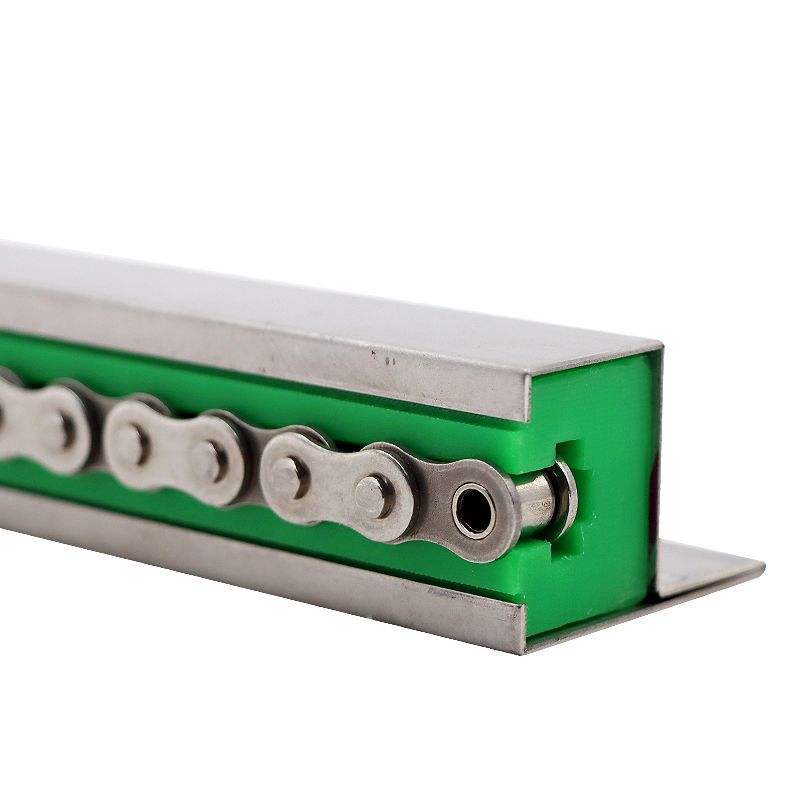
A plastic wear strip is a low-friction guiding and support element designed to reduce wear between moving components in conveyor, automation, packaging, and material-handling systems. It acts as a smooth interface that absorbs abrasion, prevents direct metal contact, and stabilizes chain, belt, or sliding motions. Because it is made from engineered polymer, it offers lightweight performance, noise reduction, and long service life. Across industries—whether food processing, logistics, automotive, or pharmaceutical—a plastic wear strip ensures consistent motion control and extends the lifespan of surrounding components, making it an indispensable part of efficient mechanical design.
Key Performance Factors Every Engineer Should Evaluate
Load Capacity: Ensuring the Plastic Wear Strip Can Withstand Real-World Forces
A reliable plastic wear strip must be capable of supporting the operational load it encounters day after day. Engineers must evaluate both static load, which refers to weight applied during non-movement, and dynamic load, which represents force generated during continuous motion. Underestimating load capacity often leads to deformation, premature wear, or sudden breakage. By selecting a material with appropriate strength and elasticity, equipment can maintain stability even during demanding cycles.
Coefficient of Friction: How a Premium Plastic Wear Strip Enhances Efficiency
Low friction is one of the most crucial attributes of a high-quality plastic wear strip. A low coefficient of friction helps equipment operate smoothly at higher speeds while reducing the power required to drive the system. It also minimizes heat generation, vibration, and operational noise. When friction is too high, motors strain, components heat up, and wear accelerates. Choosing the correct low-friction polymer ensures optimal energy efficiency and longer intervals between maintenance cycles.
Temperature Resistance: Keeping the Plastic Wear Strip Stable in Harsh Environments
Production environments often expose components to extreme temperatures. A plastic wear strip must maintain dimensional stability whether the system runs in refrigerated conditions or elevated temperatures generated by continuous operation. Temperature-resistant materials help prevent warping, cracking, or softening, allowing equipment to maintain alignment and consistency. Evaluating the expected temperature range ensures the strip performs reliably across all working conditions.
Chemical Compatibility: Making Sure the Plastic Wear Strip Survives Chemical Exposure
Certain industries rely heavily on cleaning solutions, lubricants, and processing chemicals that may impact polymer integrity. A plastic wear strip with poor chemical resistance can swell, weaken, or degrade rapidly. Engineers must match the material with the chemical environment—especially in food processing, pharmaceuticals, or outdoor applications. Selecting a chemically compatible strip ensures longevity, safety, and predictable performance.
Wear Rate: Selecting a Plastic Wear Strip That Lasts Longer with Less Maintenance
Wear rate directly translates to maintenance frequency and operational cost. A plastic wear strip with superior abrasion resistance provides a longer service life even in high-speed or high-load applications. Understanding published wear data, field performance, and historical use cases helps engineers make informed decisions. A longer-lasting strip minimizes downtime and reduces replacement expenses.
Material Selection Guide for the Ideal Plastic Wear Strip
UHMW-PE: The Go-To Material for Low Friction and High Wear Strength
UHMW-PE is among the most widely used materials for a plastic wear strip due to its exceptional low-friction behavior and outstanding impact strength. It performs well in both dry and lubricated environments and maintains stability under continuous high-speed operation. This material is ideal for conveyor systems, bottling lines, packaging machinery, and other fast-moving industrial settings.
HDPE: A Cost-Effective Plastic Wear Strip Material for Light to Medium Duty
HDPE offers an economical balance of durability, rigidity, and low friction. While not as strong or wear-resistant as UHMW-PE, it is suitable for light to medium-load applications where cost efficiency is a priority. HDPE works well in simple guiding tasks, low-speed conveyor systems, and general structural support.
Nylon: A Strong, High-Temperature Plastic Wear Strip for Heavy Loads
Nylon provides superior mechanical strength and excellent temperature resistance. It is ideal for environments where the plastic wear strip must endure heavy mechanical stress, elevated heat, or repeated impact. Although nylon absorbs moisture in humid conditions, it remains a strong candidate for applications that operate under heavy loads or require excellent surface hardness.
PTFE: When You Need the Ultimate Low-Friction Plastic Wear Strip
PTFE offers one of the lowest friction coefficients of any engineering polymer. It is ideal for precision equipment, high-temperature settings, and applications sensitive to friction-induced wear. Despite its higher cost and lower impact strength, PTFE excels where smooth motion and minimal drag are essential.
Design and Dimensional Considerations That Improve System Reliability
Profile Geometry: Matching the Plastic Wear Strip to Chain, Belt, or Track Shape
The geometry of a plastic wear strip must align perfectly with the motion interface, whether it is a chain, belt, or rail. Incorrect geometry leads to misalignment, uneven wear, and higher friction. Selecting the right profile ensures stability, reduces vibration, and optimizes the motion path.
Thickness and Width: Balancing Strength, Stability, and Weight
Choosing appropriate thickness and width is vital for achieving structural stability. A thinner strip may flex or deform under load, while excessive thickness can increase weight and reduce compliance. The right balance ensures efficient support without compromising movement or increasing system strain.
Mounting Method: Ensuring the Plastic Wear Strip Stays Secure During High-Speed Operation
Fastening methods—such as slot mounting, bolting, or adhesive bonding—determine how well the plastic wear strip withstands operational forces. A secure mounting method prevents loosening, shifting, or vibrations. Engineers must select a fastening style that suits the equipment’s speed, load, and maintenance schedule.
Environmental and Application-Specific Requirements
High-Speed Conveyor Systems: What to Look for in a Plastic Wear Strip
High-speed environments demand materials with excellent wear resistance, low friction, and strong thermal stability. A plastic wear strip used here must handle rapid movement without generating excessive heat or vibration. Selecting a high-performance material ensures consistent throughput and reduced downtime.
Food and Beverage Production: Choosing a Plastic Wear Strip That Meets Hygiene Standards
In food applications, a plastic wear strip must meet strict hygiene requirements, resist cleaning chemicals, and avoid material shedding. Smooth surfaces and FDA-compliant materials reduce contamination risks and ease cleaning. Selecting the correct strip helps maintain food safety and process efficiency.
Outdoor and Corrosive Environments: How to Select a Plastic Wear Strip for Maximum Durability
Outdoor systems face UV exposure, fluctuating temperatures, rain, and corrosive chemicals. A plastic wear strip designed for such conditions must offer UV stability, moisture resistance, and chemical durability. Choosing the right polymer ensures long-term reliability despite environmental challenges.
Common Mistakes to Avoid When Choosing a Plastic Wear Strip
One of the most common mistakes is choosing a strip material based solely on price rather than performance needs. Other errors include selecting incorrect dimensions, ignoring environmental conditions, overlooking chemical resistance, or using a profile that does not match equipment geometry. Avoiding these pitfalls prevents premature wear, operational inefficiencies, and unexpected maintenance issues.
Working With a Reliable Supplier for Better Performance Outcomes
A dependable supplier provides more than just a plastic wear strip—they offer engineering support, precise machining, custom profiles, and consistent quality. Partnering with experienced manufacturers helps ensure that the selected material meets all performance requirements and that the final product integrates perfectly with the system. This collaboration reduces risks, improves uptime, and enhances overall system reliability.
Choosing the Right Plastic Wear Strip Is an Investment in Efficiency
A carefully selected plastic wear strip strengthens system stability, reduces friction, prevents unnecessary wear, and contributes directly to long-term operational efficiency. Engineers who evaluate material properties, environmental conditions, design requirements, and supplier capabilities can confidently choose a strip that supports maximum performance. Investing time in proper selection results in smoother operation, greater reliability, and minimized maintenance costs across the equipment’s entire lifecycle.