
- December 16, 2025
- Posted by: feinuojixie
- Category: Chain Guides News
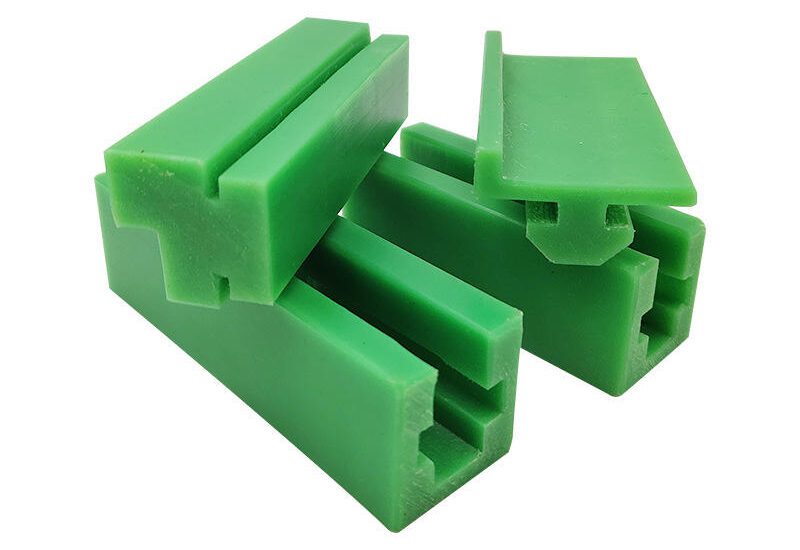
In many industrial systems, the Plastic Guide is a small component with an outsized impact. While it may not receive the same attention as motors or control systems, its performance directly influences equipment reliability, operational smoothness, and long-term maintenance costs. A poorly selected Plastic Guide can lead to excessive wear, misalignment, noise issues, and unexpected downtime, all of which translate into lost productivity and higher expenses.
Modern manufacturing environments demand higher speeds, tighter tolerances, and quieter operation than ever before. Under these conditions, simply choosing any Plastic Guide is no longer enough. Buyers need to understand what separates a standard option from a truly high-performance solution. This is where a structured buyer checklist becomes essential. By knowing exactly what to look for, decision-makers can avoid common pitfalls and invest in a Plastic Guide that supports consistent performance over the entire equipment lifecycle.
This article breaks down the key criteria that define a high-performance Plastic Guide, helping engineers, procurement teams, and equipment designers make confident, informed choices. Starting with material quality and moving through performance, durability, and supplier reliability, this checklist is designed to turn a complex decision into a clear and manageable process.
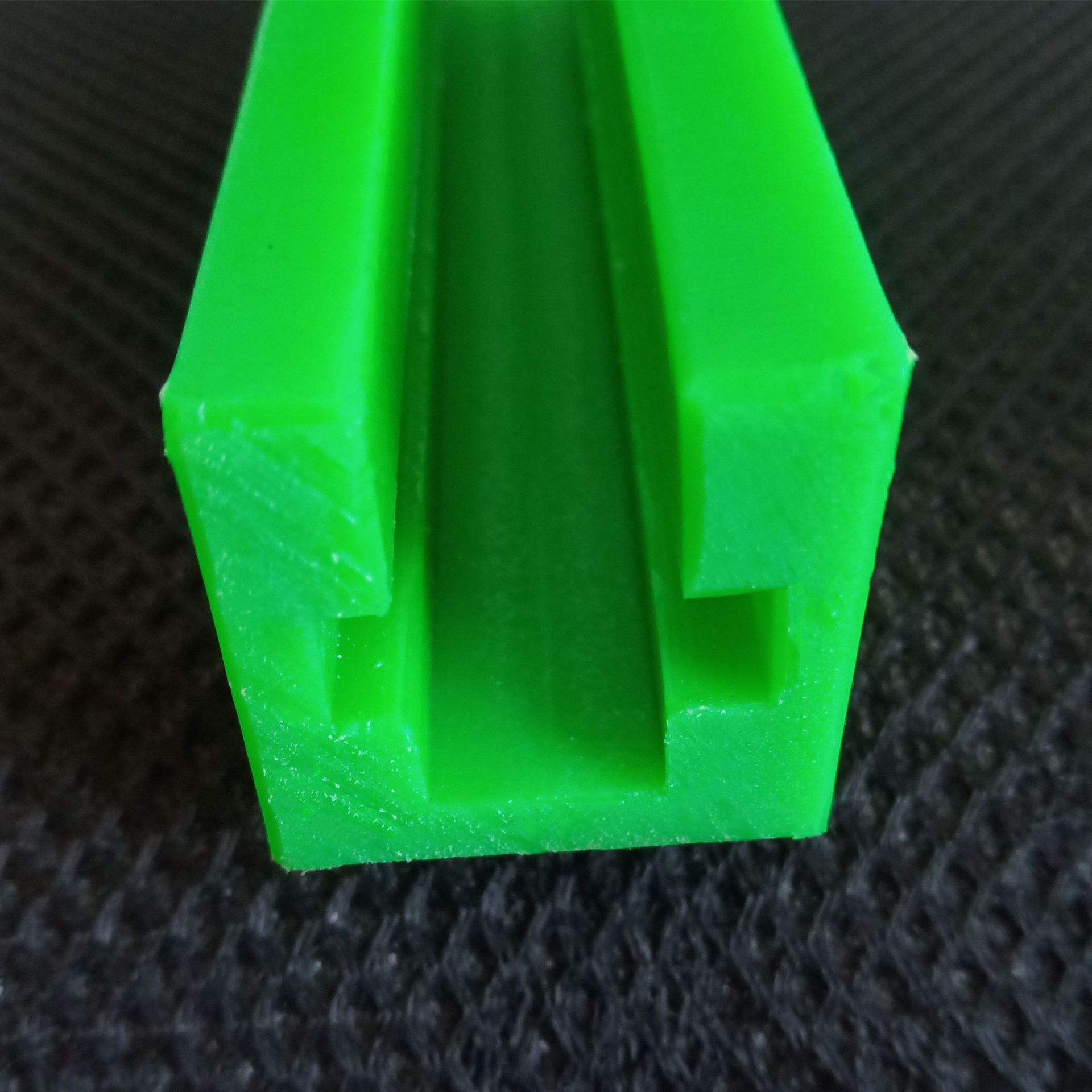
Understanding the Core Function of a Plastic Guide in Industrial Systems
A Plastic Guide is designed to control movement, maintain alignment, and protect moving components from direct contact with harder surfaces. In conveyor systems, automated machinery, and material handling equipment, it serves as a guiding interface that ensures smooth and predictable motion. By reducing direct metal-to-metal contact, a Plastic Guide minimizes friction, limits vibration, and helps prevent premature wear on adjacent components.
Beyond basic guidance, a well-designed Plastic Guide contributes to overall system stability. It keeps chains, belts, or moving parts on their intended path, even under continuous operation or fluctuating loads. When evaluated correctly, the Plastic Guide becomes an essential performance component rather than a passive accessory.
Material Quality: The Foundation of a High-Performance Plastic Guide
Material selection is the first and most important checkpoint in identifying a high-performance Plastic Guide. High-quality engineered plastic delivers consistent mechanical properties, excellent wear resistance, and predictable behavior over time. Inferior material may appear similar at first glance, but it often degrades quickly under load, heat, or friction.
A premium Plastic Guide material offers a balanced combination of strength and flexibility. It resists cracking while maintaining shape under stress, ensuring long-term dimensional stability. Buyers should always verify that the material is purpose-designed for industrial motion applications rather than general plastic use.
Wear Resistance and Friction Performance in a Plastic Guide
Wear resistance directly determines how long a Plastic Guide can operate before replacement becomes necessary. A high-performance Plastic Guide maintains a smooth contact surface even after extended use, reducing material loss and protecting adjacent components.
Low friction behavior is equally important. Reduced friction lowers energy consumption, minimizes heat generation, and allows equipment to run smoothly at higher speeds. When evaluating a Plastic Guide, buyers should consider how its friction characteristics support continuous operation without frequent adjustment or lubrication.
Load Capacity and Structural Stability of a Plastic Guide
Every Plastic Guide must withstand operational loads without deforming or losing alignment. Structural stability ensures that the guide maintains its shape and function even under constant pressure or sudden load changes.
A high-performance Plastic Guide distributes force evenly along its surface, preventing localized stress points. This stability reduces vibration, supports consistent tracking, and helps maintain overall system accuracy. Buyers should always match load capacity to real operating conditions rather than relying on theoretical limits.
Noise Reduction Capabilities of a High-Quality Plastic Guide
Noise control is a growing priority in modern industrial environments. A properly engineered Plastic Guide absorbs vibration and dampens sound generated by moving components. Compared to harder alternatives, plastic naturally reduces noise transmission.
A high-performance Plastic Guide delivers quieter operation without sacrificing strength. This benefit improves workplace conditions, supports compliance with noise regulations, and enhances perceived equipment quality, especially in high-speed or continuous-use systems.
Precision and Dimensional Consistency in Plastic Guide Manufacturing
Precision manufacturing ensures that every Plastic Guide fits correctly and performs as expected. Dimensional consistency allows for smooth installation and reliable operation without the need for on-site modification.
A high-performance Plastic Guide is produced with tight tolerances and stable geometry. This precision prevents uneven wear, misalignment, and performance variation between units. Buyers should look for manufacturing processes that prioritize repeatability and quality control.
Environmental Resistance: How a Plastic Guide Performs Under Real Conditions
Industrial environments are rarely clean or controlled. A Plastic Guide must perform reliably in the presence of moisture, dust, chemicals, and temperature variation. Environmental resistance protects the guide from swelling, degradation, or brittleness over time.
A high-performance Plastic Guide maintains its properties across a wide range of conditions. This reliability reduces unexpected failures and ensures consistent operation regardless of external challenges.
Installation Compatibility and Design Flexibility of a Plastic Guide
Ease of installation is an often-overlooked factor when selecting a Plastic Guide. A well-designed guide integrates smoothly with existing equipment and mounting systems, reducing downtime during replacement or upgrades.
Design flexibility also adds value. A Plastic Guide that can be customized or adapted to specific layouts allows engineers to optimize performance without redesigning entire systems. This adaptability makes high-performance options especially attractive for evolving production lines.
Maintenance Requirements and Lifecycle Cost of a Plastic Guide
While initial cost is important, total lifecycle cost provides a clearer measure of value. A high-performance Plastic Guide typically requires less maintenance, fewer replacements, and minimal lubrication.
Reduced downtime and longer service life translate into measurable savings over time. Buyers who focus solely on purchase price may overlook the long-term advantages delivered by a durable and reliable Plastic Guide.
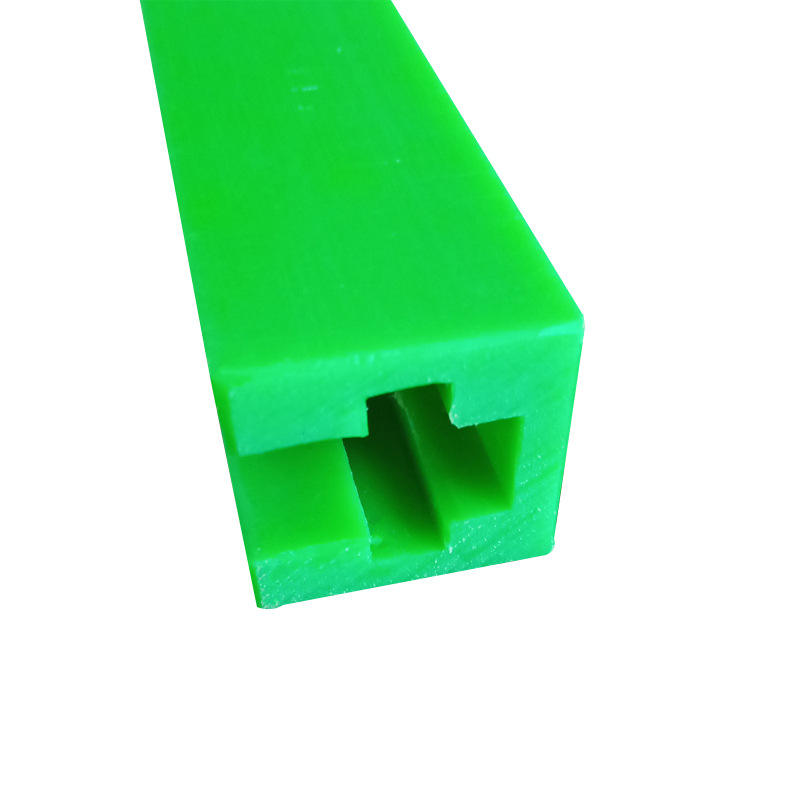
Supplier Expertise and Quality Assurance Behind Every Plastic Guide
The performance of a Plastic Guide is closely tied to the expertise of the supplier behind it. Experienced manufacturers invest in material research, testing, and quality assurance to ensure consistent results.
A reliable supplier provides technical support, clear specifications, and proven application knowledge. This partnership helps buyers select the right Plastic Guide with confidence and avoid costly mismatches.
Final Buyer Checklist: Key Questions to Ask Before Selecting a Plastic Guide
Before making a final decision, buyers should ask whether the Plastic Guide material is engineered for wear and low friction, whether it can handle real operating loads, and whether it offers consistent dimensional accuracy. Environmental resistance, noise reduction, ease of installation, and supplier reliability should also be carefully evaluated.
By using this checklist, buyers can move beyond surface-level comparisons and identify a truly high-performance Plastic Guide. The right choice delivers smoother operation, lower maintenance, and long-term reliability, turning a simple component into a strategic advantage for modern industrial systems.