
- October 13, 2025
- Posted by: feinuojixie
- Category: Chain Guides News
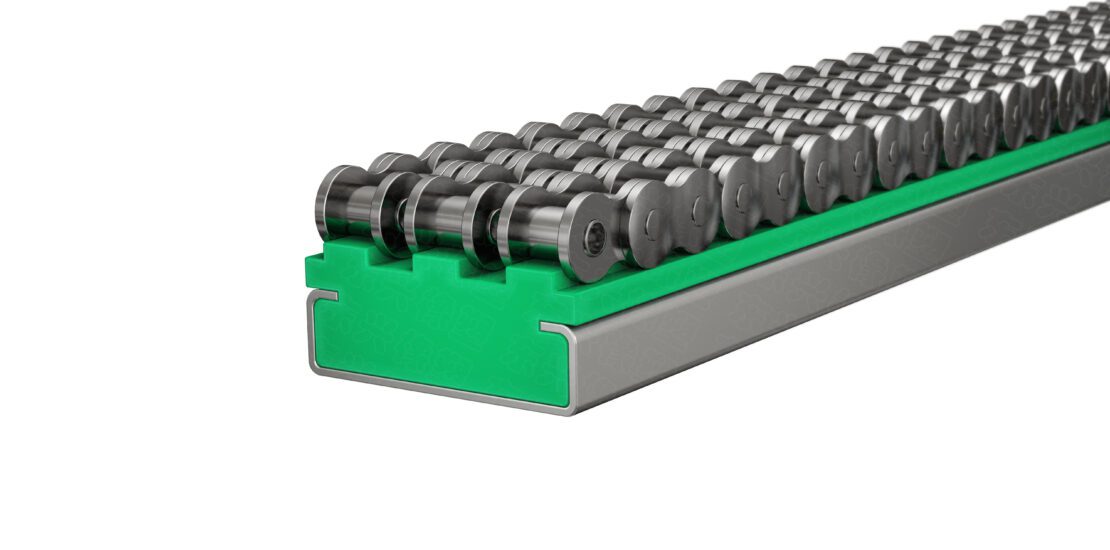
In the complex world of industrial machinery, there are numerous components working in harmony to ensure seamless operations. Among these, the UHMW wear strip stands out as an unsung hero, playing a pivotal role in extending the lifespan of your valuable machinery. While it may not be the most glamorous part, its importance cannot be overstated. This blog post will delve deep into the world of UHMW wear strips, exploring how they function, their unique properties, and the remarkable ways they can significantly enhance the longevity of your machinery. Whether you’re a seasoned industrial professional or someone new to the world of mechanical maintenance, understanding the power of UHMW wear strips can revolutionize the way you approach machinery care and cost – effectiveness.
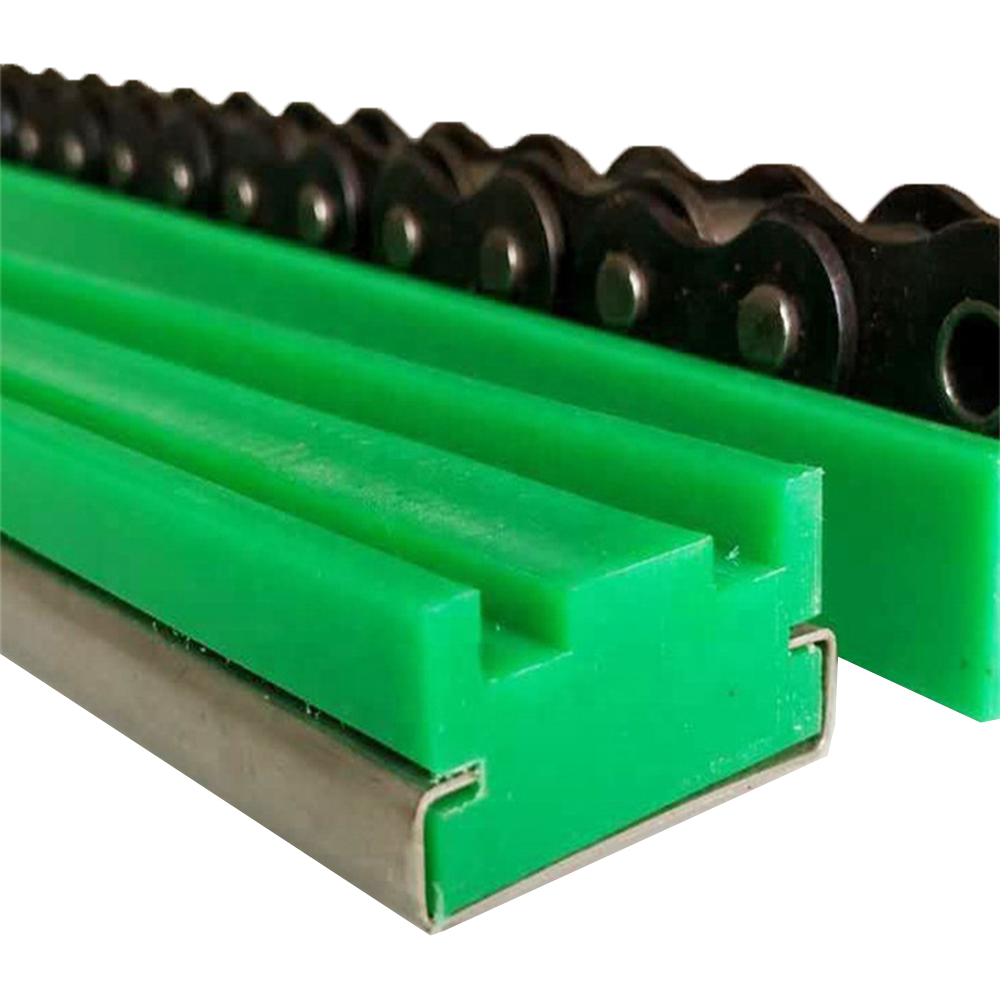
What is UHMW Wear Strip?
Decoding UHMW
UHMW stands for Ultra – High Molecular Weight. It refers to a type of polyethylene with an extremely high molecular weight. This high molecular weight endows it with some remarkable properties. One of the most prominent features is its ultra – high abrasion resistance. When compared to many other materials, UHMW can endure a significantly higher amount of wear and tear. For instance, in a manufacturing environment where components are constantly in contact and rubbing against each other, UHMW – based parts will show far less signs of wear over time. Another key property is its low coefficient of friction. This means that when two surfaces interact, one of which is made of UHMW, the resistance to motion between them is greatly reduced. It’s like comparing a rough road to a super – smooth ice – rink; objects move much more easily on the ice – rink, and that’s the kind of advantage UHMW provides in mechanical systems. This low friction not only enables smoother operation but also reduces the energy required to move parts, leading to potential energy savings in industrial processes. Additionally, UHMW has good chemical resistance, making it suitable for use in environments where it may come into contact with various chemicals without degrading or losing its properties.
The Physical Makeup of Wear Strips
Wear strips made from UHMW typically have a smooth and dense physical appearance. They are often manufactured in a variety of common shapes to suit different applications. For linear motion systems, they might be long, thin strips, sometimes rectangular in cross – section, with lengths that can range from a few centimeters to several meters, depending on the machinery’s requirements. In some cases, they could be in the form of U – shaped or L – shaped profiles, which are useful for providing additional support and protection in specific mechanical setups. The thickness of these wear strips can vary as well, usually ranging from a fraction of a millimeter to a few millimeters.
The UHMW material itself is a thermoplastic polymer. It has a semi – crystalline structure, which contributes to its strength and durability. Its color is often a natural white or off – white, but it can also be pigmented during the manufacturing process to meet specific visual or identification needs in industrial settings. The surface finish of UHMW wear strips is usually carefully controlled to ensure the best possible performance in terms of friction and wear resistance. A smooth surface reduces the chances of debris getting trapped between the moving parts and the wear strip, further enhancing its effectiveness in extending the machinery’s lifespan.
The Working Principle Behind the Magic
Friction – Reduction Mechanics
UHMW wear strips are masters at reducing friction. When two mechanical components are in constant motion relative to each other, friction is inevitable. Without proper protection, this friction can cause rapid wear and tear on the surfaces of these components. However, when a UHMW wear strip is inserted between them, it acts as a lubricious barrier. For example, in conveyor belt systems, the constant movement of the belt over the support rollers can cause significant wear on both the belt and the rollers. By installing UHMW wear strips on the contact points between the belt and the rollers, the coefficient of friction is drastically reduced. This reduction in friction means that the belt moves more smoothly, with less energy wasted in overcoming the resistance. As a result, the wear on both the belt and the rollers is minimized. Over time, this can lead to a substantial extension in the lifespan of the conveyor belt and the rollers, reducing the need for frequent replacements and maintenance.
Shock Absorption and Vibration Dampening
In addition to reducing friction, UHMW wear strips also excel at shock absorption and vibration dampening. In industrial environments, machinery is often subjected to sudden impacts and vibrations during operation. These shocks and vibrations can cause stress on the internal components of the machinery, leading to premature failure. UHMW wear strips act as shock – absorbing cushions. In a metal – stamping machine, for instance, when the stamping die strikes the workpiece, there is a significant impact force generated. The UHMW wear strips installed on the guide rails and other contact points can absorb a large portion of this impact energy. They deform slightly upon impact, dissipating the energy in a controlled manner rather than allowing it to be transferred directly to the machine’s frame and other critical components. This helps to protect the more expensive and delicate parts of the stamping machine, such as the motor, the control system, and the precision – machined stamping die. Similarly, in vibrating equipment like vibrating screens used in the mining industry, UHMW wear strips can effectively dampen the vibrations, ensuring that the equipment operates more stably and with less wear and tear on its structural elements.
Real – World Applications
In Manufacturing Plants
In manufacturing plants, the presence of UHMW wear strips is widespread and crucial. In the automotive manufacturing industry, for example, conveyor belts are an essential part of the production line. These belts are constantly moving, carrying car parts, components, and even entire vehicle bodies during different stages of assembly. The friction between the conveyor belt and the supporting structures, as well as the heavy loads it bears, can cause significant wear over time. UHMW wear strips are installed on the edges and contact points of the conveyor system. They not only reduce the friction between the belt and the rollers but also protect the conveyor belt from cuts and tears that could be caused by sharp metal parts or rough surfaces. This ensures that the conveyor belt can operate smoothly for a much longer time, minimizing production disruptions due to belt replacements.
In the production of electronic devices, precision is of utmost importance. Robotic arms are commonly used to handle delicate electronic components, such as tiny circuit boards and microchips. The joints and moving parts of these robotic arms are equipped with UHMW wear strips. When the robotic arm makes precise movements to pick and place components, the wear strips reduce friction and vibration. This not only improves the accuracy of the robotic arm’s movements but also protects the internal mechanical and electrical components of the arm from the stress caused by friction and vibration. As a result, the lifespan of the robotic arms is extended, and the production quality of the electronic devices is enhanced, as more accurate component placement leads to fewer defects in the final products.
Mining and Construction Machinery
In the mining and construction industries, machinery operates in some of the harshest environments, and UHMW wear strips play a vital role in ensuring their reliable operation. In mining, large excavators are used to dig and load minerals. The buckets of these excavators are constantly in contact with rocks, soil, and other abrasive materials. UHMW wear strips are installed on the edges and inner surfaces of the buckets. They act as a protective layer, withstanding the constant abrasion from the hard minerals. Without these wear strips, the metal buckets would quickly wear out, leading to frequent replacements. Since the buckets are a critical part of the excavator’s operation, any downtime for bucket replacement can result in significant losses in mining productivity.
In construction, crushers are used to break down large rocks and concrete into smaller pieces for use in construction projects. The moving parts of crushers, such as the jaws and the conveyor systems that transport the crushed materials, are subject to extreme wear and tear. UHMW wear strips are placed on the contact points between the moving parts and the stationary components. They help to reduce the impact forces during the crushing process and minimize the friction between the moving parts. This not only extends the lifespan of the crusher’s components but also ensures that the crusher can operate continuously, providing a steady supply of crushed materials for construction sites.
Agricultural Equipment
Agricultural machinery operates in challenging outdoor environments, often in contact with dirt, mud, and abrasive agricultural products. In tractors, which are used for a variety of tasks such as plowing, tilling, and hauling, UHMW wear strips are used in the joints and moving parts of the transmission system and the hydraulic cylinders. The constant vibrations and the heavy loads that tractors endure during field operations can cause rapid wear in these components. The UHMW wear strips absorb the vibrations and reduce the friction between the moving parts, protecting the expensive hydraulic and mechanical systems. This allows tractors to operate smoothly and efficiently for longer periods, reducing the need for frequent maintenance and repairs.
For combine harvesters, which are used to harvest grains, the conveyor belts and the cutting mechanisms are crucial components. The conveyor belts move the harvested grains from the cutting area to the storage area. UHMW wear strips are installed on the conveyor belt supports to reduce friction and prevent the belt from slipping. In the cutting mechanisms, the blades are in constant contact with the stalks of the crops, which can be abrasive. UHMW wear strips are used to protect the metal parts of the cutting mechanism from wear, ensuring that the harvester can cut the crops effectively throughout the harvest season without the need for frequent blade replacements.
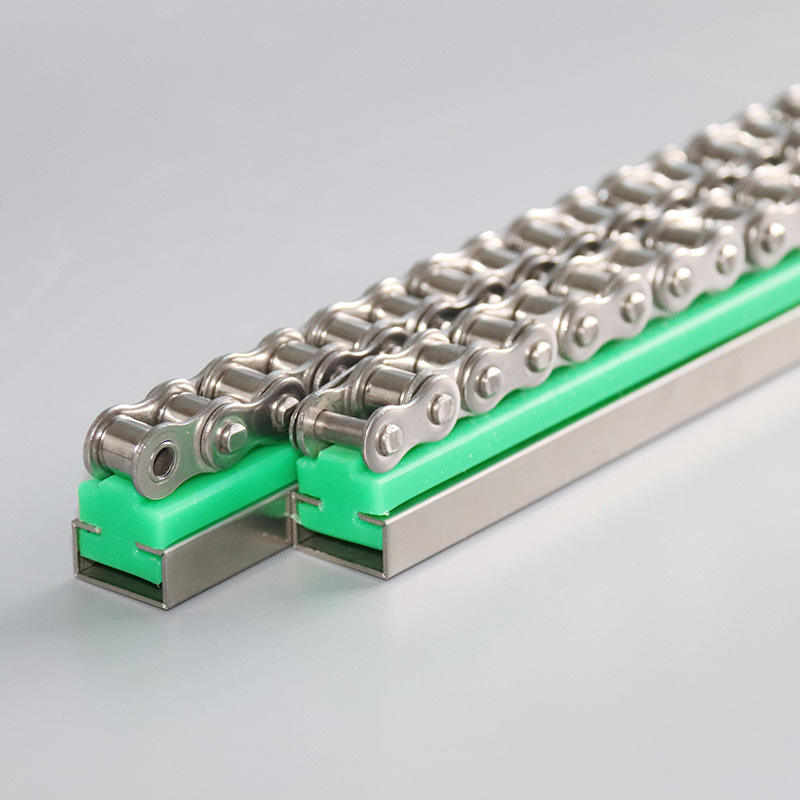
Benefits for Machinery Lifespan
Reducing Wear and Tear
One of the most significant ways UHMW wear strips extend machinery lifespan is by drastically reducing wear and tear. In industrial settings, mechanical components are often in constant motion and contact with each other. Without proper protection, the friction generated during these interactions can lead to rapid degradation of the parts. For example, in a printing press, the rollers and moving belts are critical for the printing process. Over time, the continuous rubbing between these components can cause grooves to form on the rollers and wear down the belts. By installing UHMW wear strips at the contact points, the high abrasion – resistance of UHMW comes into play. The wear strip acts as a sacrificial layer, absorbing the brunt of the friction and preventing direct contact between the more expensive and essential components. This results in a much slower rate of wear for the rollers and belts. Instead of having to replace these parts every few months, with UHMW wear strips, the replacement cycle can be extended to several years, depending on the usage intensity. This not only reduces the frequency of maintenance but also ensures that the machinery can operate continuously without unexpected breakdowns due to worn – out components.
Cost – Savings in the Long Run
While there is an initial cost associated with purchasing and installing UHMW wear strips, the long – term cost – savings are substantial. Consider a large – scale manufacturing plant that uses a fleet of automated machinery. Without wear strips, the frequent replacement of worn – out parts can be a significant expense. For instance, in a food processing factory, the conveyor belts and their supporting components need to be replaced regularly due to wear. The cost of a new conveyor belt, along with the labor cost for installation, can run into thousands of dollars. Additionally, each time a component is replaced, there is downtime during which the production line is halted. This downtime leads to a loss of productivity, and in a high – volume production environment, the financial losses can be substantial.
However, when UHMW wear strips are installed, the need for frequent part replacements is greatly reduced. The savings from fewer replacements and less downtime can quickly offset the initial investment in the wear strips. Over the lifespan of the machinery, which could be 10 – 20 years or more, the cumulative cost – savings can be in the tens or even hundreds of thousands of dollars, depending on the size and complexity of the machinery and the production volume.
Ensuring Consistent Performance
Consistent performance is crucial for any machinery, especially in industries where precision and efficiency are key. UHMW wear strips play a vital role in maintaining this consistency. In a semiconductor manufacturing facility, for example, the machinery used to produce microchips requires extremely precise movements. The slightest deviation in the movement of the mechanical components can result in defective microchips. The low coefficient of friction of UHMW wear strips ensures that the moving parts of the machinery operate smoothly and with minimal resistance. This smooth operation reduces the chances of vibrations or sudden jerks that could affect the precision of the manufacturing process.
Moreover, as the machinery ages, normal wear and tear can cause the performance to degrade over time. But with UHMW wear strips, the rate of degradation is significantly slowed down. They help to keep the clearances between moving parts consistent, ensuring that the machinery continues to operate within the required tolerances. This not only improves the quality of the products being produced but also increases the overall efficiency of the production process, leading to higher output and fewer rejected products.
Installation and Maintenance Tips
Proper Installation Methods
Installing UHMW wear strips correctly is crucial to ensure they function optimally and effectively extend the lifespan of your machinery. First and foremost, carefully select the installation location. Identify the areas of the machinery where there is the most significant friction or wear. In a linear motion system, for example, this could be along the guide rails where the moving carriage makes contact. Clean the surface thoroughly before installation. Use a suitable solvent to remove any dirt, grease, or debris. Even a small particle left on the surface can prevent the wear strip from adhering properly or cause uneven wear.
When it comes to the actual installation, there are several common fixing methods. One of the most straightforward ways is using adhesives. High – quality industrial adhesives are available that can bond the UHMW wear strip firmly to the machinery surface. Make sure to follow the adhesive manufacturer’s instructions carefully, including the application method, curing time, and temperature requirements. Another option is mechanical fastening. This can involve using screws, rivets, or clips. If using screws, pre – drill holes in the wear strip and the machinery component to avoid cracking the UHMW material. The size and spacing of the screws should be appropriate to provide sufficient holding power without over – stressing the wear strip. For applications where the wear strip may be subject to high – impact forces, mechanical fastening might be a more reliable choice compared to adhesives.
Maintenance Dos and Don’ts
Regular maintenance of UHMW wear strips is essential to keep them in good working condition. Do conduct regular inspections. Set a schedule, perhaps weekly or monthly depending on the intensity of machinery usage, to visually check the wear strips. Look for signs of wear, such as grooves, tears, or discoloration. Check if the wear strip is still firmly attached to the machinery; any signs of loosening should be addressed immediately.
Clean the wear strips regularly. Use a soft – bristled brush or a non – abrasive cleaning cloth to remove dust, dirt, and debris. In some industrial environments, there may be a build – up of abrasive particles on the wear strip, which can accelerate wear if not removed. A simple cleaning with a mild detergent and water can often do the trick, but make sure to dry the wear strip thoroughly before putting the machinery back into operation.
On the other hand, there are some important don’ts. Don’t subject the machinery to over – use or misuse. Running the machinery at speeds or loads beyond its rated capacity can put excessive stress on the UHMW wear strips, leading to premature failure. For example, in a conveyor system, don’t overload the conveyor belt with more weight than it is designed to carry. Also, avoid using harsh chemicals or abrasive cleaners on the wear strips. These can damage the UHMW material, reducing its effectiveness in reducing friction and protecting the machinery components.
Conclusion
Recap of the UHMW Wear Strip’s Significance
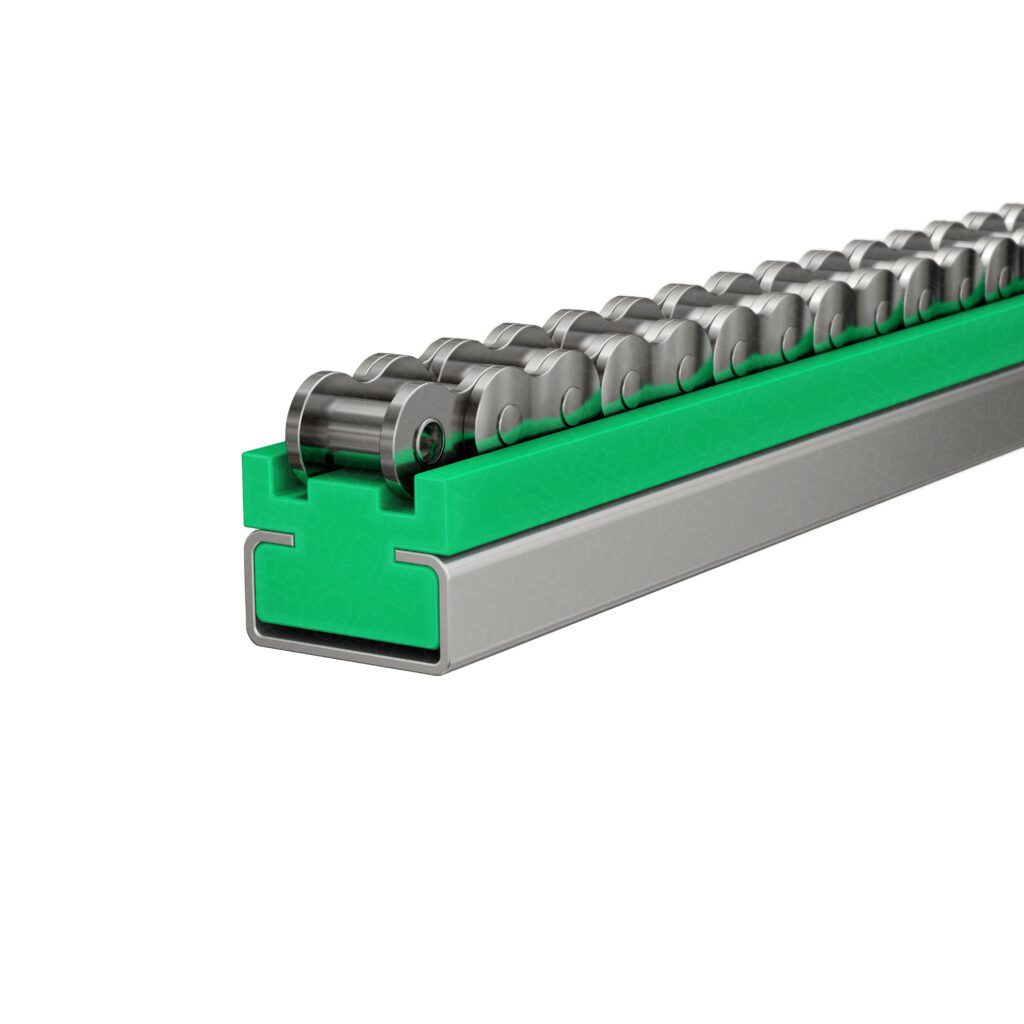
Throughout this exploration, we’ve seen that UHMW wear strips are far more than just simple components in machinery. Their ability to reduce friction and absorb shocks has a direct and profound impact on the lifespan of industrial equipment. By minimizing wear and tear, they safeguard the integrity of mechanical parts, leading to fewer breakdowns and extended operational periods. The cost – savings they bring, both in terms of reduced part replacements and minimized downtime, are substantial, making them a financially savvy choice for any business relying on machinery. Moreover, their role in ensuring consistent performance is crucial, especially in industries where precision is non – negotiable.
Encouragement for Adoption
If you’re still hesitant about incorporating UHMW wear strips into your machinery, now is the time to take action. Whether you’re managing a large – scale manufacturing plant, a mining operation, or an agricultural enterprise, the benefits of UHMW wear strips are undeniable. By making this simple yet effective addition to your equipment, you can enhance performance, cut costs in the long run, and ensure the reliable operation of your machinery for years to come. Don’t let preventable wear and tear and unnecessary costs hold your business back. Embrace the power of UHMW wear strips and unlock a new level of efficiency and productivity in your industrial processes.