
- August 7, 2025
- Posted by: feinuojixie
- Category: Chain Guides News
No Comments
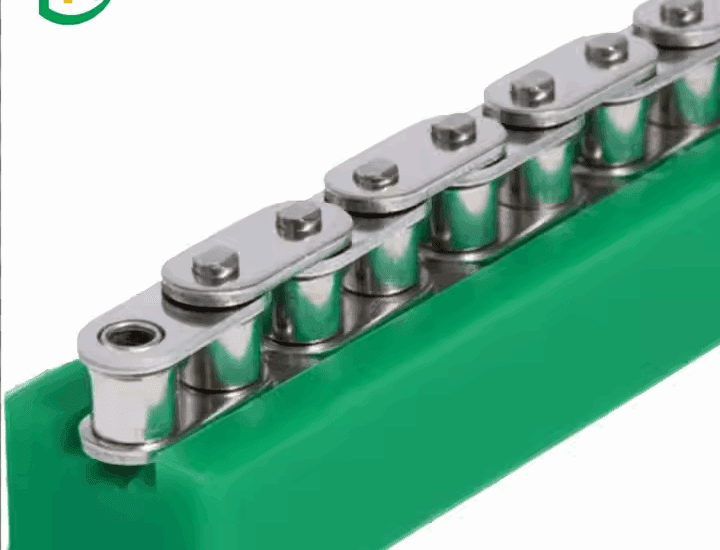
In the dynamic realm of industrial machinery, the quest for components that offer enhanced performance, durability, and reliability is a constant pursuit. Among these crucial elements, industrial-grade roller guide rails stand out as a game-changer, providing exceptional load capacity and an extended service life. This blog post delves into the world of roller guide rails, exploring their features, benefits, applications, and maintenance tips.
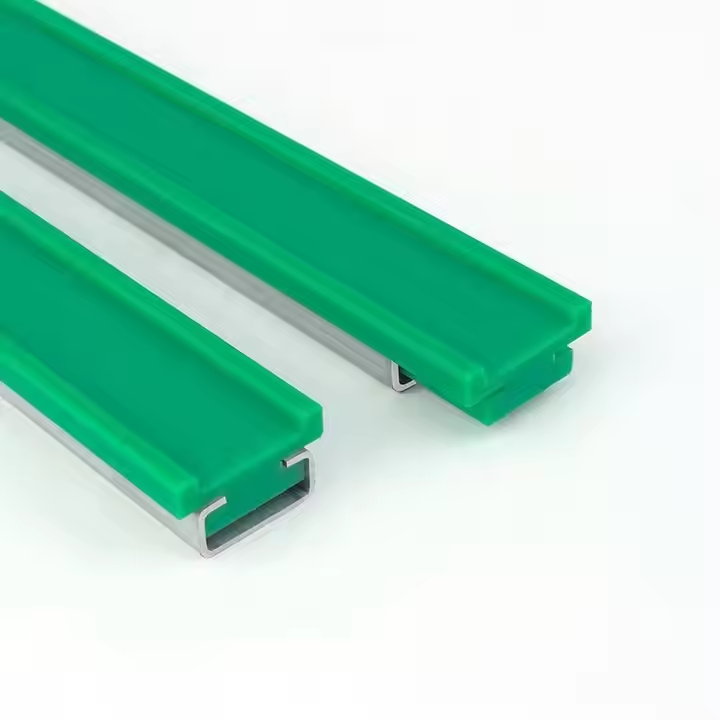
Understanding Industrial-Grade Roller Guide Rails
Industrial-grade roller guide rails are precision-engineered linear motion components that facilitate smooth and accurate movement of heavy loads along a linear path. They consist of a rail, which serves as the stationary track, and a carriage, which holds the load and moves along the rail. The carriage is equipped with rollers that roll along the rail, reducing friction and enabling efficient movement.
Key Features of Roller Guide Rails
- High Load Capacity: Roller guide rails are designed to handle heavy loads, making them ideal for applications where large amounts of weight need to be moved. The rollers distribute the load evenly across the rail, minimizing stress and wear on the components.
- Low Friction: The rolling motion of the rollers reduces friction, resulting in smoother and more efficient movement. This not only improves the performance of the machinery but also reduces energy consumption.
- Precision and Accuracy: Roller guide rails offer high precision and accuracy, ensuring that the load is moved with minimal deviation. This is crucial for applications that require precise positioning and alignment.
- Long Service Life: Thanks to their robust construction and high-quality materials, roller guide rails have a long service life. They are designed to withstand harsh operating conditions, including high temperatures, dust, and moisture.
Benefits of Using Roller Guide Rails
- Increased Productivity: By enabling smooth and efficient movement of heavy loads, roller guide rails help to increase productivity. They reduce the time and effort required to move the load, allowing for faster production cycles.
- Improved Quality: The precision and accuracy of roller guide rails ensure that the load is moved with minimal deviation, resulting in improved product quality. This is especially important for applications that require high precision, such as machining and assembly.
- Reduced Maintenance Costs: The long service life of roller guide rails means that they require less frequent maintenance and replacement. This helps to reduce maintenance costs and downtime, improving the overall efficiency of the machinery.
- Enhanced Safety: Roller guide rails are designed to be safe and reliable, reducing the risk of accidents and injuries. They are equipped with safety features, such as anti-rollback devices and limit switches, to prevent the load from moving unexpectedly.
Applications of Roller Guide Rails
Industrial-grade roller guide rails are used in a wide range of applications, including:
- Machine Tools: Roller guide rails are commonly used in machine tools, such as CNC machines, lathes, and milling machines, to provide smooth and accurate movement of the cutting tool.
- Robotics: In robotics, roller guide rails are used to support the movement of robotic arms and other components. They enable precise positioning and movement, allowing the robot to perform complex tasks with accuracy.
- Material Handling: Roller guide rails are used in material handling systems, such as conveyor belts and automated storage and retrieval systems, to move heavy loads efficiently.
- Printing and Packaging: In the printing and packaging industry, roller guide rails are used to move paper, cardboard, and other materials through the production process. They ensure smooth and accurate movement, resulting in high-quality prints and packages.
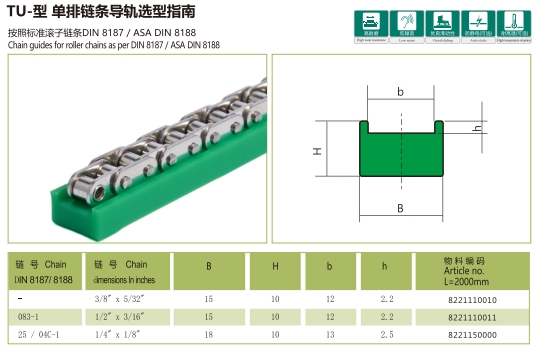
Maintenance Tips for Roller Guide Rails
To ensure the optimal performance and longevity of roller guide rails, it is important to follow proper maintenance procedures. Here are some tips to help you maintain your roller guide rails:
- Regular Cleaning: Clean the roller guide rails regularly to remove dirt, dust, and debris. Use a soft cloth or brush to gently wipe the rails and rollers. Avoid using abrasive materials or solvents, as they can damage the components.
- Lubrication: Lubricate the roller guide rails regularly to reduce friction and prevent wear. Use a high-quality lubricant that is specifically designed for roller guide rails. Apply the lubricant according to the manufacturer’s instructions.
- Inspection: Inspect the roller guide rails regularly for signs of wear, damage, or misalignment. Look for cracks, chips, or other defects in the rails and rollers. Check the alignment of the rails to ensure that they are straight and parallel.
- Adjustment: If you notice any signs of wear, damage, or misalignment, adjust the roller guide rails as needed. Follow the manufacturer’s instructions for adjusting the rails and rollers.
In conclusion, industrial-grade roller guide rails are a vital component in modern industrial machinery, offering enhanced load capacity, long service life, and improved performance. By understanding their features, benefits, applications, and maintenance tips, you can make informed decisions when selecting and using roller guide rails in your industrial applications. So, whether you’re looking to increase productivity, improve quality, reduce maintenance costs, or enhance safety, industrial-grade roller guide rails are the solution you’ve been searching for.