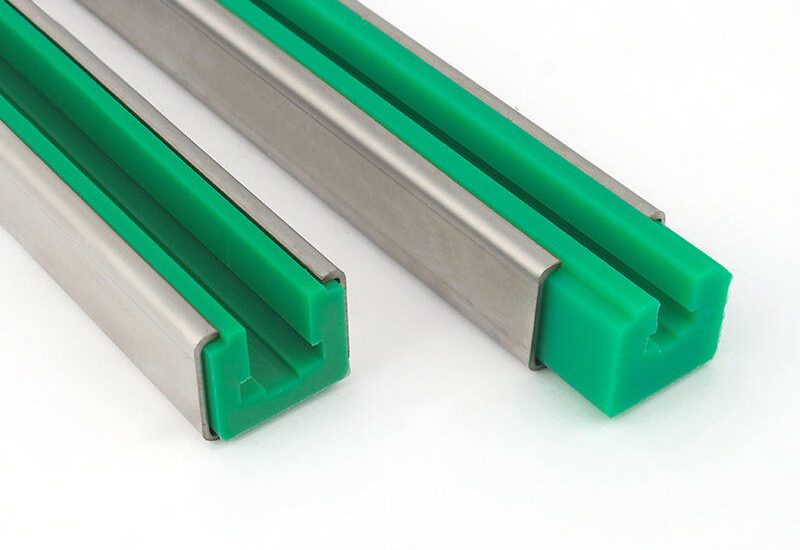
In the bustling world of industrial operations, conveyor systems serve as the unsung heroes, facilitating the seamless movement of goods and materials. At the heart of these efficient systems lies the UHMW chain guide, a seemingly small but indispensable component. UHMW chain guides play a pivotal role in ensuring the smooth and reliable operation of conveyor chains, minimizing wear and tear, and reducing the risk of costly breakdowns.
This blog aims to be your go-to resource for everything you need to know about installing UHMW chain guides. Whether you’re a seasoned maintenance professional or a novice looking to enhance the performance of your conveyor system, this guide will provide you with the knowledge and practical tips to achieve seamless conveyor operations.
Understanding UHMW Chain Guides
What Are UHMW Chain Guides?
UHMW, or Ultra-High Molecular Weight polyethylene, is a remarkable thermoplastic material known for its exceptional properties. With an incredibly low friction coefficient, UHMW allows conveyor chains to glide effortlessly, reducing energy consumption and minimizing heat generation. Its high abrasion resistance ensures that the guides can withstand the constant rubbing and scraping of the chains, extending their lifespan significantly. Additionally, UHMW exhibits excellent impact strength, making it capable of withstanding the rigors of heavy industrial use without cracking or breaking.
In conveyor systems, UHMW chain guides are strategically placed along the chain path to provide support and guidance. They prevent the chains from deviating from their intended route, reducing the risk of misalignment and ensuring smooth and consistent operation. By minimizing friction and wear, UHMW chain guides also help to reduce noise and vibration, creating a more comfortable and productive working environment.
Benefits of Using UHMW Chain Guides
One of the most significant benefits of UHMW chain guides is their ability to enhance the durability of conveyor systems. The low friction and high abrasion resistance of UHMW reduce the stress and strain on the chains, gears, and other components, extending their lifespan and reducing the frequency of replacements. This not only saves on maintenance costs but also minimizes downtime, ensuring that your production line remains operational and productive.
UHMW chain guides also contribute to improved efficiency in conveyor operations. The reduced friction allows the chains to move more freely, requiring less energy to operate. This results in lower electricity bills and a more sustainable operation. Additionally, the smooth and consistent movement of the chains reduces the risk of jams and stoppages, increasing the throughput of your conveyor system and improving overall productivity.
Another advantage of UHMW chain guides is their noise-reducing properties. The low friction and shock-absorbing characteristics of UHMW help to dampen the noise generated by the moving chains, creating a quieter and more pleasant working environment. This is particularly important in industries where noise levels can be a concern, such as food processing, pharmaceuticals, and electronics manufacturing.
Pre-Installation Preparations
Assessing Your Conveyor System
Before installing UHMW chain guides, it’s essential to thoroughly assess your conveyor system to identify the areas that require attention. Start by visually inspecting the chains, gears, and other components for signs of wear, damage, or misalignment. Look for any loose bolts, cracked guides, or worn-out bearings that may need to be replaced.
Next, measure the dimensions of the conveyor chain and the installation area to ensure a proper fit. Use a measuring tape or caliper to accurately determine the width, thickness, and length of the chain, as well as the distance between the mounting points. This information will help you select the appropriate UHMW chain guides and ensure that they are installed correctly.
Gathering the Necessary Tools and Materials
To install UHMW chain guides, you’ll need a few essential tools and materials. These include wrenches, screwdrivers, measuring tapes, and lubricants. Make sure you have the right size and type of tools for the job, and that they are in good working condition.
In addition to tools, you’ll also need to gather the necessary UHMW chain guide materials. This includes the chain guides themselves, as well as any bolts, nuts, washers, or other hardware required for installation. When selecting UHMW chain guides, choose high-quality products that are designed for your specific conveyor system and application. Look for guides that are made from durable materials and have a smooth, even surface to ensure optimal performance.
Step-by-Step Installation Process
Removing the Old Chain Guides (if applicable)
If you’re replacing existing chain guides with UHMW chain guides, the first step is to remove the old guides. Before starting any work on the conveyor system, make sure to follow all safety protocols and procedures. This includes shutting off the power to the conveyor, locking out the system, and wearing appropriate personal protective equipment (PPE).
Once the system is safely shut down, use the appropriate tools to remove the bolts, nuts, and other hardware that secure the old chain guides in place. Carefully lift the old guides off the conveyor and set them aside for disposal or recycling. Be sure to clean the mounting surfaces thoroughly to remove any dirt, debris, or 残留的 adhesive before installing the new UHMW chain guides.
Installing the UHMW Chain Guides
With the old chain guides removed and the mounting surfaces clean, it’s time to install the new UHMW chain guides. Start by positioning the guides along the conveyor chain path, making sure they are aligned correctly and provide adequate support for the chains. Use the measuring tape or caliper to ensure that the guides are evenly spaced and that there is sufficient clearance between the chains and the guides.
Once the guides are in position, secure them in place using the bolts, nuts, and washers provided. Tighten the hardware evenly and firmly, but be careful not to overtighten, as this can cause the guides to warp or crack. After the guides are installed, double-check the alignment and tension of the chains to ensure that they are running smoothly and without any interference.
Adjusting and Fine-Tuning
After installing the UHMW chain guides, it’s important to adjust and fine-tune the system to ensure optimal performance. Start by adjusting the tension of the conveyor chain, making sure it is neither too loose nor too tight. A properly tensioned chain will run smoothly and evenly, without sagging or skipping.
Next, check the alignment of the chains and the guides, making sure they are running straight and true. If necessary, make minor adjustments to the position of the guides to correct any misalignment. Finally, lubricate the chains and the guides with the appropriate lubricant to reduce friction and extend their lifespan.
Post-Installation Maintenance
Regular Inspection
To ensure the continued performance and reliability of your UHMW chain guides, it’s important to perform regular inspections. Schedule inspections at regular intervals, depending on the frequency and intensity of use of your conveyor system. During each inspection, visually inspect the chains, guides, and other components for signs of wear, damage, or misalignment. Look for any loose bolts, cracked guides, or worn-out bearings that may need to be replaced.
In addition to visual inspections, you may also want to use specialized tools and equipment to perform more in-depth inspections. This can include using vibration analysis tools to detect any abnormal vibrations or using infrared thermography to identify any hot spots or areas of excessive heat.
Cleaning and Lubrication
Regular cleaning and lubrication are essential for maintaining the performance and longevity of your UHMW chain guides. Over time, dirt, debris, and other contaminants can accumulate on the chains and the guides, causing friction and wear. To prevent this, clean the chains and the guides regularly using a soft brush or cloth and a mild cleaning solution. Avoid using abrasive cleaners or solvents, as these can damage the UHMW material.
After cleaning, lubricate the chains and the guides with the appropriate lubricant. Choose a lubricant that is specifically designed for use with UHMW materials and that provides excellent anti-friction and anti-wear properties. Apply the lubricant evenly and sparingly, following the manufacturer’s recommendations.
Troubleshooting Common Issues
Chain Misalignment
Chain misalignment is a common issue that can occur in conveyor systems, especially if the UHMW chain guides are not installed or adjusted correctly. The causes of chain misalignment can include improper installation, uneven wear, or damaged chain guides. If you notice that the chains are deviating from their intended route or rubbing against the sides of the guides, it’s important to take action to correct the problem as soon as possible.
To correct chain misalignment, start by checking the alignment of the chains and the guides. Make sure the guides are positioned correctly and that there is sufficient clearance between the chains and the guides. If necessary, make minor adjustments to the position of the guides to correct any misalignment. You may also need to adjust the tension of the chains or replace any worn-out or damaged components.
Excessive Noise
Excessive noise in a conveyor system can be a sign of a variety of problems, including friction between the chains and the guides, loose hardware, or damaged components. If you notice that your conveyor system is making more noise than usual, it’s important to investigate the cause of the problem and take steps to address it.
To reduce noise, start by lubricating the chains and the guides with the appropriate lubricant. This can help to reduce friction and minimize noise. Next, check the hardware to make sure all bolts, nuts, and other components are tightened securely. If any hardware is loose, tighten it immediately. Finally, inspect the chains, guides, and other components for any signs of damage or wear. If any components are damaged, replace them as soon as possible.
Optimizing Conveyor Performance with UHMW Chain Guides
Installing UHMW chain guides is a simple yet effective way to optimize the performance of your conveyor system. By reducing friction, minimizing wear and tear, and improving the efficiency and reliability of your conveyor system, UHMW chain guides can help you save time, money, and resources.
Remember, proper installation, maintenance, and troubleshooting are key to ensuring the long-term performance and reliability of your UHMW chain guides. By following the tips and guidelines outlined in this blog, you can ensure that your conveyor system operates smoothly and efficiently for years to come. So, what are you waiting for? Upgrade your conveyor system with UHMW chain guides today and experience the difference for yourself!
How can we help you?
You can contact your account manager directly or submit a business inquiry online.