
- June 27, 2025
- Posted by: feinuojixie
- Category: Injection Molding News
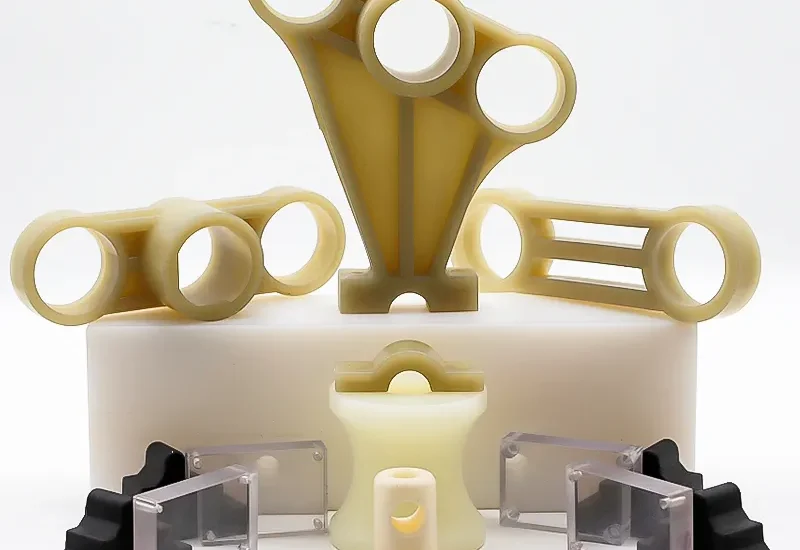
Is the plastic molding business still worth it in 2025? It’s a question that many entrepreneurs, manufacturers, and investors are asking as global industries continue to adapt to rapid technological advancement and growing environmental scrutiny. While the plastic molding business has long been a cornerstone of mass production across sectors—from automotive parts to medical devices—the landscape is no longer as straightforward as it once was. New regulations, shifting consumer expectations, and breakthroughs in automation are reshaping the rules of the game. As we stand at a pivotal moment, it’s more important than ever to understand whether this business remains a smart venture—or a fading opportunity.
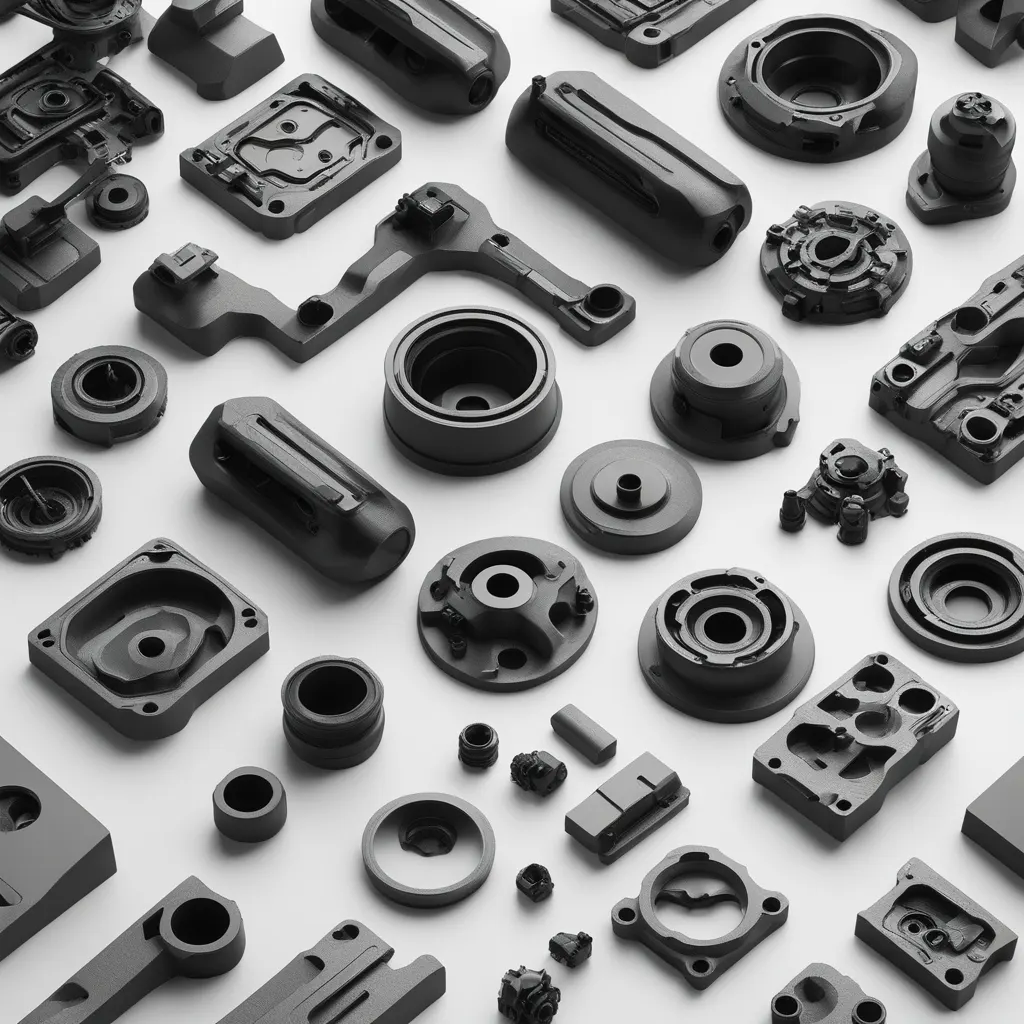
The Current Landscape of the Plastic Molding Business in 2025
In 2025, the plastic molding business continues to play a vital role in global manufacturing. North America and Asia-Pacific remain dominant regions, driven by demand from electronics, automotive, and consumer goods. The global market is valued in the hundreds of billions, with increasing demand for lightweight, cost-effective, and precisely engineered plastic parts. Despite economic uncertainty, the plastic molding business has shown resilience, thanks to its wide applicability and integration into essential supply chains.
Key Drivers Keeping the Plastic Molding Business Profitable
Several core drivers are keeping the plastic molding business viable in 2025. First is the continued reliance on plastic components in high-volume sectors such as automotive, medical technology, and packaging. Second, advancements in injection mold design and production efficiency are helping reduce per-unit costs. Third, customization and small-batch capabilities have opened new markets for niche products. With consumer electronics and electric vehicles demanding intricate plastic components, the business remains a critical enabler of innovation.
Rising Challenges in the Plastic Molding Business
However, the industry is not without its challenges. One of the biggest is the rising cost of raw materials, particularly petroleum-based resins. Additionally, businesses face mounting pressure from regulators and the public to reduce environmental impact. Supply chain disruptions and increased competition from low-cost manufacturers abroad also cut into profit margins. For newcomers, breaking into the market without strong differentiation can be difficult.
How Technology Is Reshaping the Plastic Molding Business
Automation, AI-driven quality control, and smart manufacturing systems are redefining productivity standards in the plastic molding business. High-precision mold design using CAD and simulation tools enables faster prototyping and better end products. Robotics now handle complex molding cycles with minimal human oversight, increasing consistency and lowering labor costs. Companies embracing these digital tools are pulling ahead, while those resisting change are being left behind.
The Green Push: Can the Plastic Molding Business Survive the Sustainability Wave?
Sustainability is no longer optional. Governments and consumers alike are demanding cleaner production and greener materials. Fortunately, the plastic molding business has responded with innovations like biodegradable resins, closed-loop recycling systems, and energy-efficient molding machines. Companies that have adapted to these standards are not only surviving but thriving by aligning their practices with ESG (Environmental, Social, and Governance) expectations. Still, transitioning to sustainable operations comes with upfront costs that not all players can afford.
Investment Opportunities and Risks in 2025
For those considering entry or expansion, the plastic molding business offers both high potential and substantial risk. On one hand, demand remains strong, particularly for specialized or precision-molded products. On the other hand, capital investment in machinery, tooling, and compliance is significant. Success in 2025 requires strategic focus—on automation, quality, and sustainability. Businesses that ignore these factors risk falling behind.
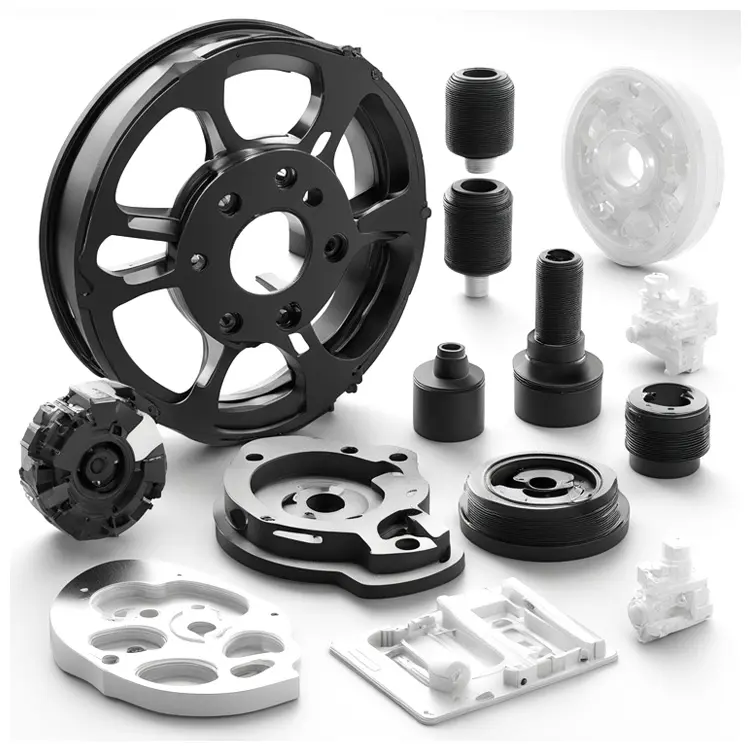
Expert Insights: What Industry Leaders Are Saying
Industry veterans and analysts agree on one thing: adaptability is key. According to leading executives, the plastic molding business is entering a new era where efficiency, customization, and environmental responsibility determine long-term success. Analysts forecast modest growth overall, but rapid acceleration in areas like medical molding, electric vehicle components, and sustainable packaging. The consensus is that while the business is evolving, it still offers rewarding opportunities to those willing to innovate.
Is the Plastic Molding Business Still Worth It in 2025?
So, is the plastic molding business still worth it in 2025? The real answer is yes—with conditions. It is no longer the easy-entry, high-margin industry it once was. Today, success requires deep industry knowledge, a commitment to modernization, and the ability to meet rising environmental standards. For those who can meet these demands, the plastic molding business remains not only viable, but highly rewarding. For others, it may be time to rethink or reinvent their approach.