
- July 14, 2025
- Posted by: feinuojixie
- Category: Injection Molding News
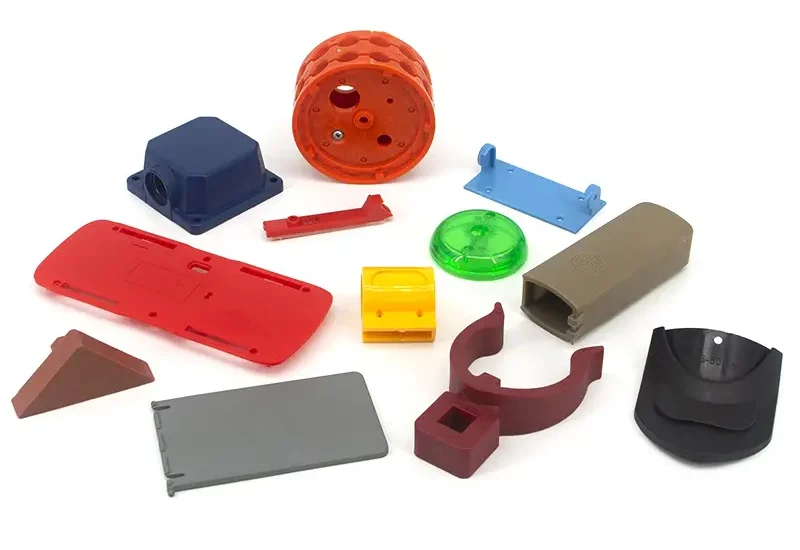
In today’s fast-paced manufacturing environment, engineers are constantly challenged to strike the perfect balance between performance, durability, cost, and sustainability. When it comes to choosing bushings—a vital component in minimizing friction and ensuring mechanical efficiency—the debate between plastic and metal continues to evolve. Plastic bush manufacturer breakthroughs are now challenging the long-held dominance of metal alternatives, offering high-performance solutions that rival or even surpass traditional materials in many applications. As industries seek lighter, quieter, and more maintenance-friendly parts, the rise of the plastic bush manufacturer has become impossible to ignore.
Understanding the Role of a Plastic Bush Manufacturer
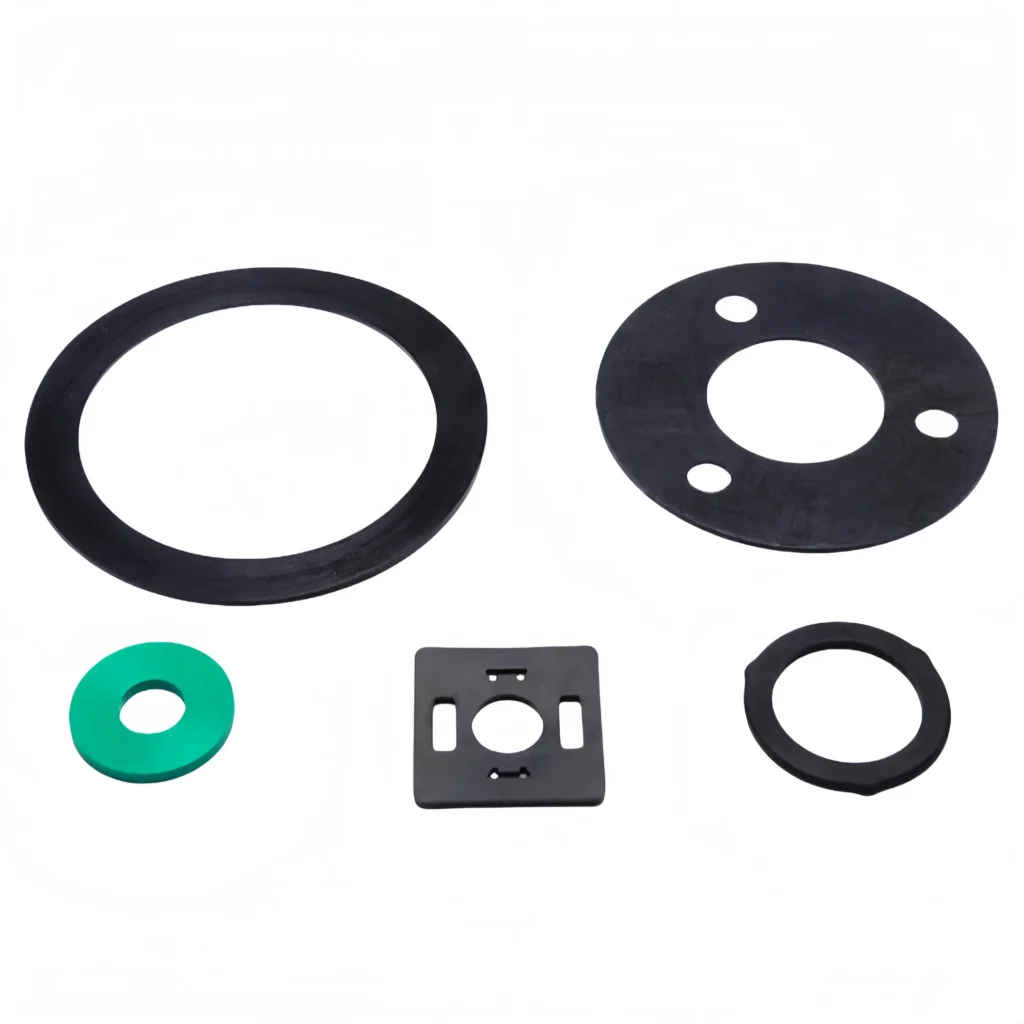
A plastic bush manufacturer specializes in designing and producing bushings made from advanced polymers such as nylon, PTFE, POM, and UHMWPE. These materials are engineered to perform under various mechanical stresses while maintaining a lightweight and corrosion-resistant profile. The role of a plastic bush manufacturer goes beyond just molding parts—it includes material science research, precision tooling, and quality control. Leading manufacturers tailor their products for specific industries such as automotive, agriculture, electronics, and industrial automation. Through careful formulation and design, plastic bush manufacturer solutions are engineered for both performance and longevity.
The Traditional Strength of Metal Alternatives
Metal bushings—typically made from bronze, steel, or brass—have been the go-to solution for heavy-duty applications for decades. Known for their ability to withstand high loads and extreme temperatures, metal options are often favored in construction machinery, mining equipment, and other high-impact environments. Their structural integrity and thermal stability give them an advantage in conditions where plastic may degrade. Metal alternatives are also often associated with a sense of durability and reliability, deeply rooted in long-standing industrial practices.
Performance Showdown: Plastic Bush Manufacturer vs. Metal
When comparing performance, the gap between plastic and metal has narrowed dramatically. Plastic bush manufacturer innovations now offer bushings that reduce friction without the need for external lubrication—a key benefit over metal, which often requires consistent greasing. Plastic also excels in reducing noise and vibration, making it ideal for applications like household appliances or electric vehicles. Corrosion resistance is another strong suit for plastic, especially in marine or chemical environments where metals may rust or corrode. Though metal may still handle higher static loads, plastic often wins in dynamic, high-cycling environments.
Weight and Efficiency: The Lightweight Advantage of Plastic
One of the most significant advantages a plastic bush manufacturer brings to the table is weight reduction. Plastic bushings can weigh up to 80% less than metal equivalents, which directly contributes to improved fuel efficiency in vehicles and reduced wear on mechanical systems. This lightweight nature also simplifies installation, transport, and handling. In sectors like aerospace or robotics, where every gram counts, plastic bushings offer a distinct engineering advantage without compromising strength or function.
Cost and Maintenance: The Hidden Savings of Plastic Bush Manufacturer Solutions
Plastic bushings often provide considerable savings not just in production costs but also in total cost of ownership. A plastic bush manufacturer can offer self-lubricating solutions, which reduce the need for regular maintenance and eliminate the risk of lubrication failure. Additionally, plastic bushings typically have a longer service life in environments where corrosion or contamination is a concern. When factoring in downtime, labor, and maintenance supplies, plastic options often come out ahead—even when the initial cost is similar or slightly higher.
Environmental Impact: Sustainable Benefits of Plastic Bush Manufacturer Practices
Sustainability has become a crucial consideration across industries, and plastic bush manufacturer operations are increasingly aligning with this trend. Many manufacturers now use recyclable or bio-based polymers that meet stringent environmental standards. In addition, the energy required to produce plastic bushings is often significantly lower than that for metal ones. The longer service life and reduced maintenance needs of plastic components also contribute to less waste and fewer emissions over time, supporting eco-friendly supply chains.
When Metal Still Wins: Use Cases Where Metal Remains Superior
Despite the many advantages offered by a plastic bush manufacturer, there are still scenarios where metal is the better fit. In applications involving continuous high temperatures above 250°C or static loads beyond the structural limits of plastic, metal retains its superiority. For example, in high-performance internal combustion engines or heavy mining equipment, metal bushings offer unmatched strength and thermal resistance. However, even in these domains, hybrid solutions are emerging where plastic is combined with metal to optimize performance.
Industry Insights: Who’s Adopting Plastic Bush Manufacturer Solutions?
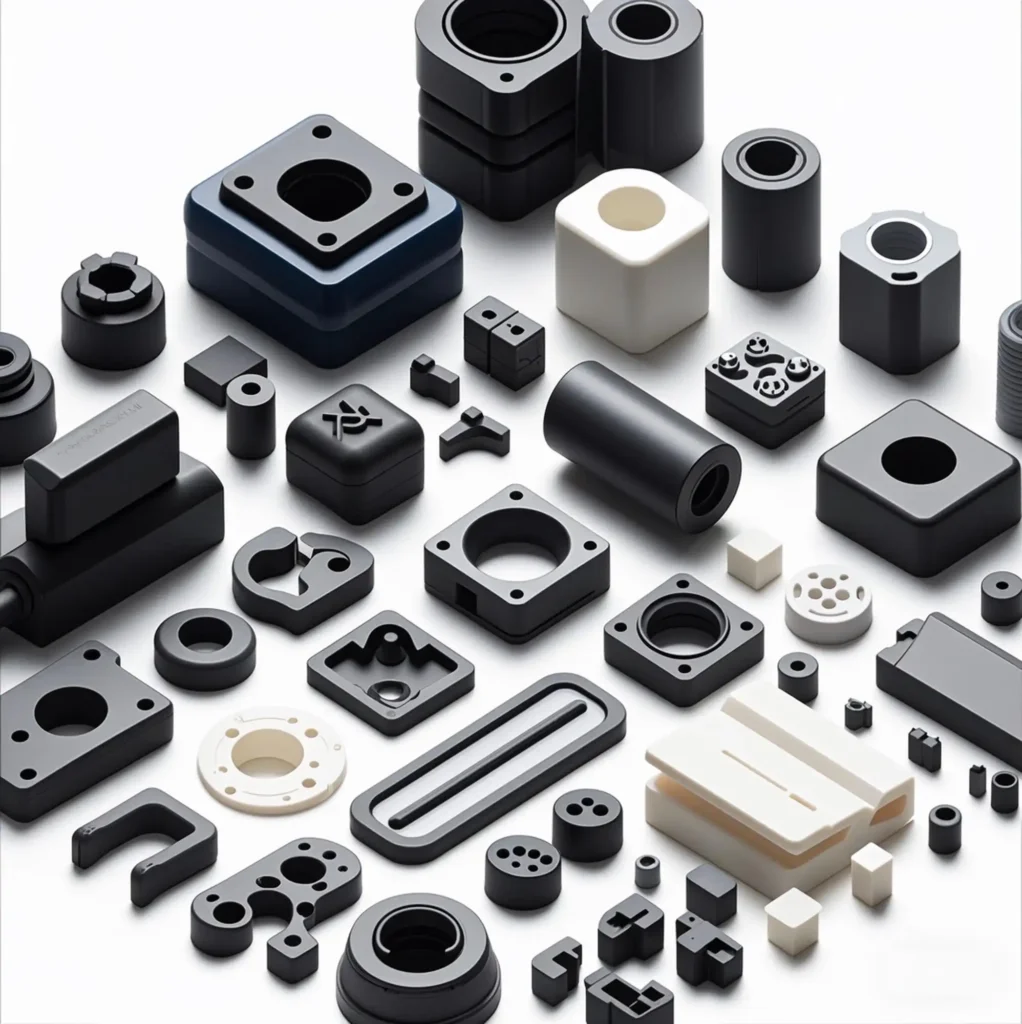
Across the industrial landscape, more companies are shifting toward plastic-based solutions. Automotive manufacturers now rely on plastic bushings for steering systems, suspension arms, and door mechanisms to cut weight and reduce noise. In the medical device industry, sterile, maintenance-free plastic bushings ensure patient safety and regulatory compliance. Agricultural machinery, home appliances, and packaging equipment all benefit from the durability and low-friction properties that plastic bush manufacturer solutions provide. These real-world shifts demonstrate the growing trust in plastic over metal.
Choosing the Right Fit for the Right Application
The question of whether a plastic bush manufacturer or metal alternative comes out on top depends on the specific application. For high-load, high-temperature environments, metal may still hold the lead. However, in most modern industrial, automotive, and consumer product applications, plastic bush manufacturer innovations offer clear advantages in weight, cost, corrosion resistance, and maintenance. As materials science continues to advance, the case for plastic becomes stronger. Ultimately, the smartest choice lies in understanding your operational needs—and partnering with the right manufacturer who can deliver precision-engineered solutions tailored for success.