
- November 20, 2025
- Posted by: feinuojixie
- Category: Chain Guides News
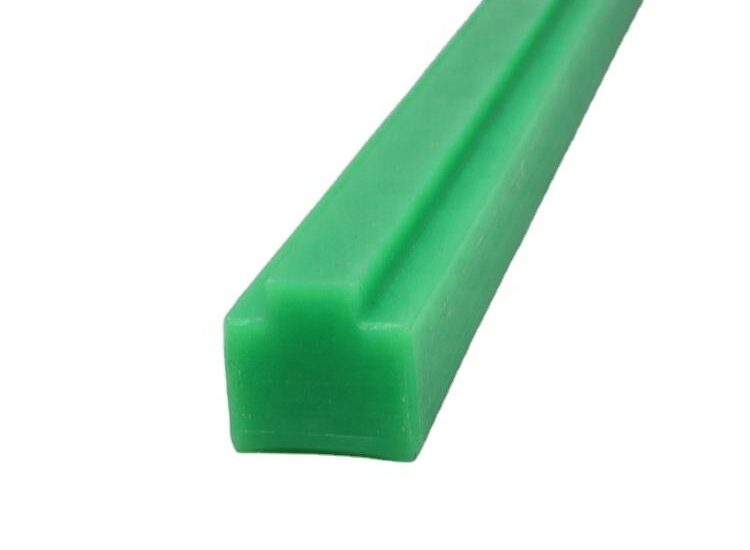
In today’s fast-moving manufacturing world, every component plays a part in determining overall performance—even the ones often overlooked. Plastic guide rail is a perfect example. Though small in appearance, its influence on production speed, product stability, and equipment longevity is far greater than most operators realize. As production lines become faster, cleaner, and more automated, plastic guide rail quietly takes on a crucial role: reducing friction, protecting transported products, and keeping machines running smoothly without interruption.
Manufacturers count on reliable, consistent movement to maintain efficiency. Plastic guide rail delivers exactly that by guiding products with precision while minimizing the wear associated with metal contact surfaces. This results in fewer stoppages, fewer product defects, and a noticeably quieter work environment. For businesses seeking higher output and lower operating costs, understanding the value of plastic guide rail is the first step toward unlocking better performance across their entire production system.
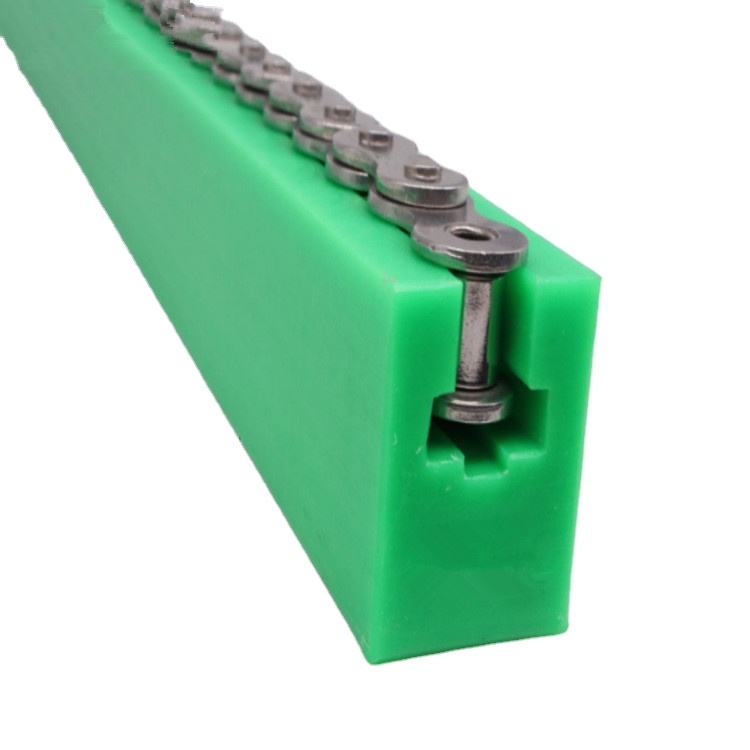
What Plastic Guide Rail Are and How They Work in Industrial Systems
Plastic guide rail is a lightweight yet durable component designed to guide, stabilize, and protect products as they move through automated systems. Whether used in a conveyor, packaging machine, or robotic assembly line, the rail helps ensure smooth and controlled movement from start to finish. Unlike metal alternatives, plastic guide rail maintains excellent dimensional stability without adding unnecessary weight or friction to the system.
In a typical production line, plastic guide rail acts as a supportive boundary for bottles, containers, parts, or packages traveling at different speeds. It minimizes vibration, prevents tipping, and reduces the risk of surface damage. By providing consistent directional control, plastic guide rail strengthens the reliability of the entire manufacturing process.
Key Advantages of Plastic Guide Rail Over Traditional Metal Components
Plastic guide rail has become a preferred choice in modern factories for several reasons. One of the most important is its naturally low friction surface, which allows products to glide smoothly without requiring heavy lubrication. This feature not only improves efficiency but also keeps production lines cleaner and safer.
Another major advantage is the significant reduction in noise. Metal components generate loud vibrations during long production cycles, while plastic guide rail delivers quiet, consistent performance. It also resists corrosion, making it ideal for moisture-rich, chemical-sensitive, or hygiene-critical environments. Together, these benefits extend machine life, reduce maintenance demands, and lower operating costs.
How Plastic Guide Rail Enhance High-Speed Production Performance
High-speed production demands stability, accuracy, and reliability—qualities that plastic guide rail supports exceptionally well. Its smooth, impact-resistant surface helps maintain steady product flow, even when items accelerate or change direction rapidly. The rail absorbs vibration and reduces drag, which prevents jams that often slow down automated lines.
By minimizing kinetic resistance, plastic guide rail enables machines to operate at their intended speeds without compromise. This leads to higher throughput, fewer delays, and consistent product orientation. In industries like beverage bottling and food packaging, these improvements make a measurable difference in line efficiency.
Material Science Behind Plastic Guide Rail
The performance of plastic guide rail depends heavily on the engineering materials used to manufacture it. UHMW-PE is a common choice due to its remarkable wear resistance, low friction coefficient, and ability to perform well under heavy loads. POM is another popular material known for its rigidity and excellent dimensional accuracy.
These plastics resist chemical exposure, moisture absorption, and extreme temperature fluctuations, all of which are common challenges in industrial operations. By combining strength with flexibility, these materials outperform metal in scenarios where quiet operation, long-term durability, and low maintenance are required.
Applications of Plastic Guide Rail Across Different Manufacturing Sectors
Plastic guide rail is used in a wide range of industries that rely on automation and precision. In food processing and beverage production, it ensures clean and stable product movement where hygiene is crucial. In pharmaceutical facilities, it helps guide delicate packages without contamination or surface damage.
The automotive and electronics sectors use plastic guide rail to transport components safely between assembly stages. Meanwhile, warehouse distribution centers depend on it to maintain fast and accurate sorting. Regardless of the industry, plastic guide rail supports smooth, reliable motion wherever continuous product flow is essential.
How to Choose the Right Plastic Guide Rail for Your Production Line
Choosing the correct plastic guide rail requires understanding your system’s specific needs. Load capacity and friction level are two primary considerations. Heavier items demand stronger materials, while high-speed environments benefit from ultra-low-friction surfaces. Temperature and chemical exposure must also be evaluated, especially for industries with high sanitation requirements.
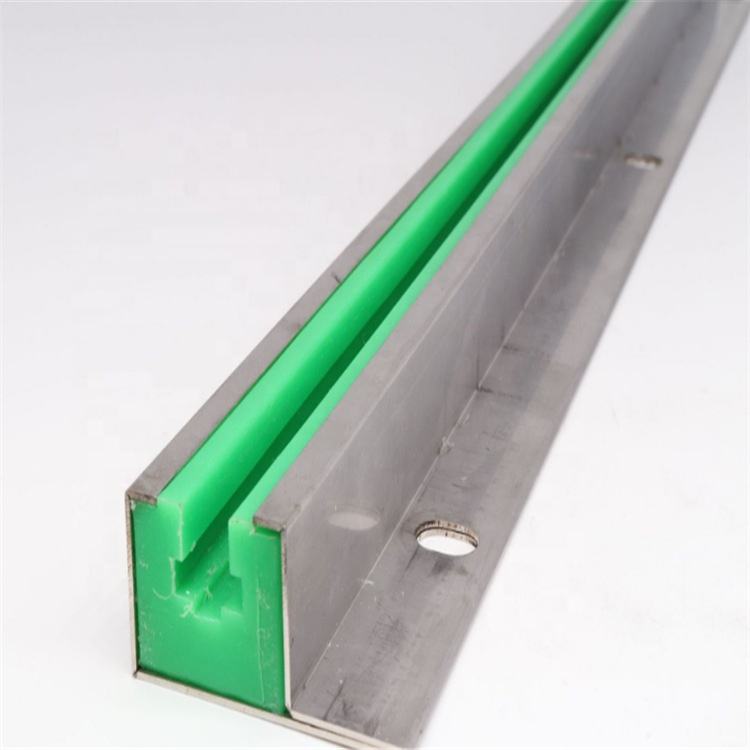
Additionally, the shape and size of the product being transported will influence the rail profile you choose. Considering installation style—such as adjustable or fixed mounting—ensures a perfect fit for your equipment. By assessing these factors, manufacturers can select a plastic guide rail that delivers long-term reliability and optimal performance.
Common Mistakes to Avoid When Using Plastic Guide Rail
Despite its durability, plastic guide rail can underperform if not used correctly. One common mistake is choosing the wrong material. A rail that works well in dry environments may not withstand high heat or abrasive chemicals. Another issue arises when the rail is installed without proper alignment, causing uneven wear or unexpected product movement.
Ignoring early wear signs is another costly error. Although plastic guide rail wears slowly, it still requires periodic inspection. Replacing worn sections before they cause disruption helps maintain smooth operations and prevents unplanned downtime.
Future Trends: How Plastic Guide Rail Are Evolving with Modern Manufacturing
As manufacturing technology advances, plastic guide rail is evolving to meet new performance demands. Materials with built-in lubrication are becoming more common, reducing the need for oil and minimizing contamination risks. Anti-bacterial surfaces offer safer solutions for food and medical industries.
Innovations such as smart wear indicators will soon help operators detect maintenance needs before breakdowns occur. Sustainability is also influencing development, with new eco-friendly material blends offering strength while reducing environmental impact.
Why Plastic Guide Rail Deserve a Strategic Place in Your Production Planning
Plastic guide rail may be small, but its impact on manufacturing performance is significant. It enhances speed, reduces noise, lowers friction, and supports long-term efficiency across countless applications. By choosing the right design and material, manufacturers can unlock smoother operations, fewer disruptions, and lower overall costs.