
- December 15, 2025
- Posted by: feinuojixie
- Category: Chain Guides News
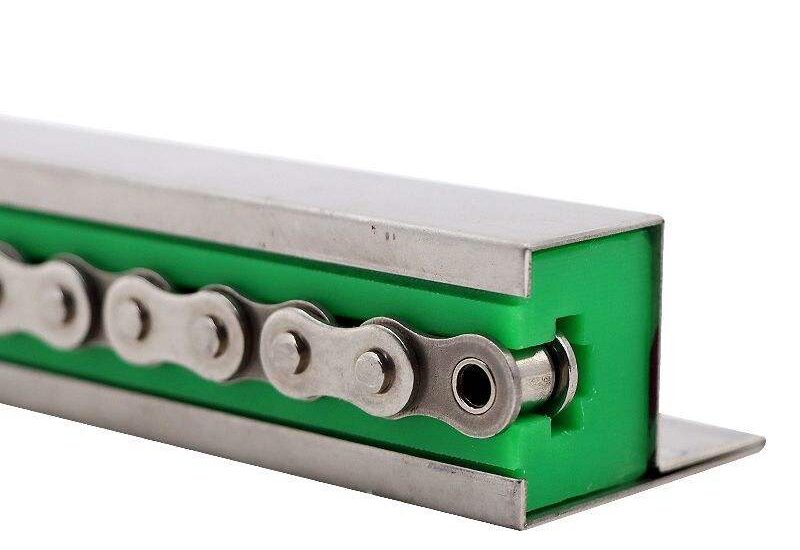
In modern manufacturing and material handling environments, component selection directly affects productivity, maintenance cost, and operational stability. One of the most common comparisons engineers face is Plastic Guide vs. Metal Guide. While Metal Guide has long been considered the default choice, the rapid advancement of Plastic Guide material has challenged that assumption. Understanding how each option truly performs helps decision-makers optimize efficiency and reduce long-term risk.
Understanding the Role of a Plastic Guide in Industrial Applications
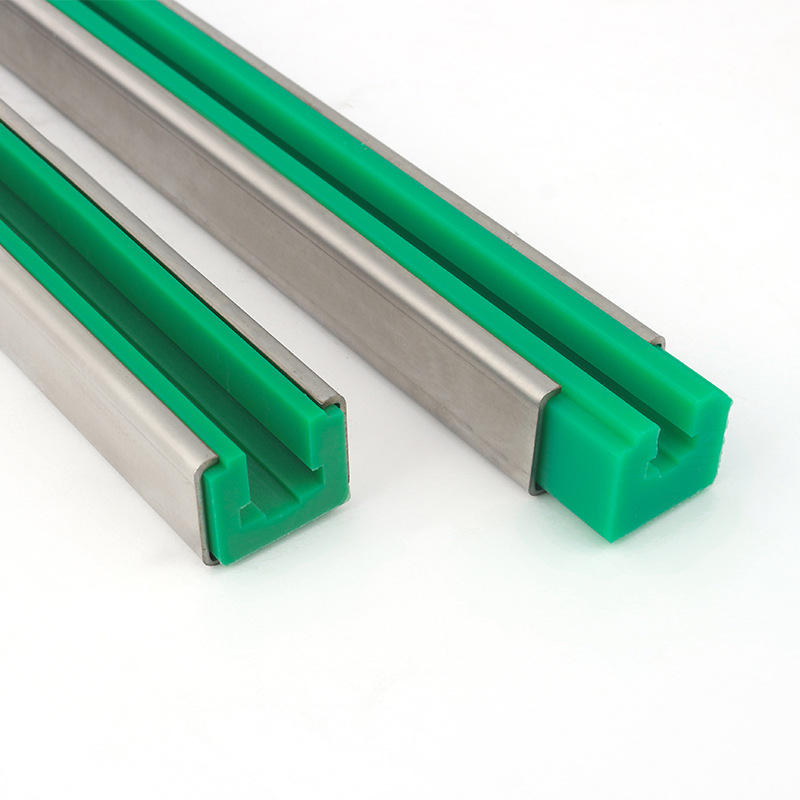
A Plastic Guide is designed to control movement, align components, and reduce friction within mechanical systems. It is commonly used in conveyor system, packaging line, automation equipment, and high-speed production environment. By providing smooth contact surfaces and controlled guidance, a Plastic Guide helps ensure consistent motion while minimizing wear on both the guide and the moving component.
Modern Plastic Guide material is engineered to deliver high load tolerance, excellent self-lubricating properties, and reliable performance even under continuous operation. This makes it a preferred solution in applications where precision, noise control, and maintenance reduction are critical.
Understanding the Role of a Metal Guide in Traditional Machinery
A Metal Guide has traditionally been used in machinery that demands structural rigidity and high load capacity. It is often associated with heavy industrial equipment and environments where impact resistance is prioritized. Metal Guide offers strength and dimensional stability, which made it the standard choice for decades.
However, despite its strength, Metal Guide typically requires lubrication, produces higher noise levels, and is more susceptible to corrosion and wear when exposed to moisture or chemicals. These limitations have become more apparent as production systems demand higher efficiency and lower maintenance.
Material Composition Differences Between Plastic Guide and Metal Guide
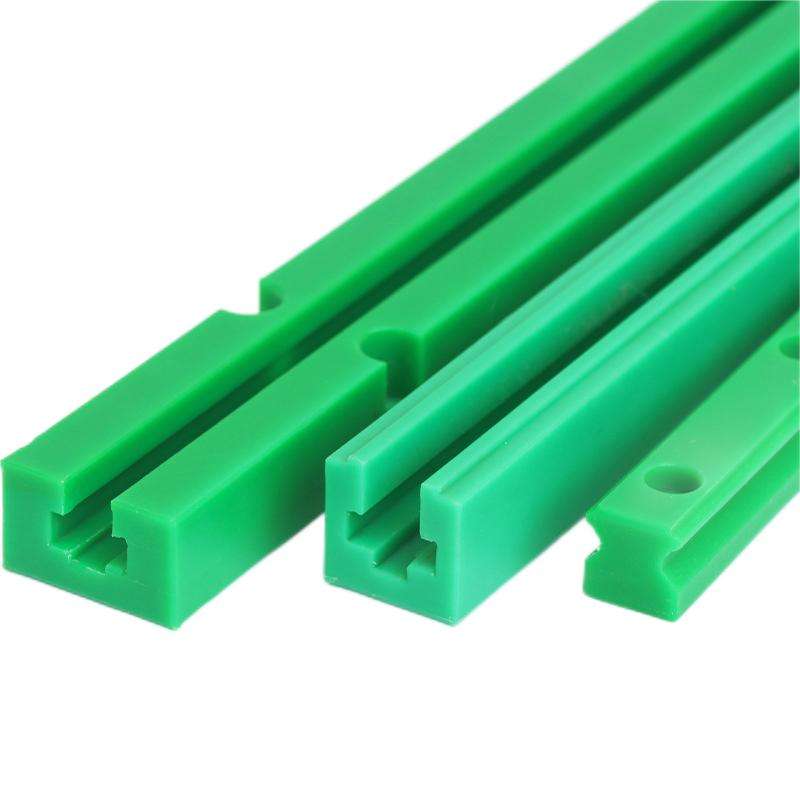
The performance gap between Plastic Guide and Metal Guide begins at the material level. A Plastic Guide is usually made from engineered polymer with low friction coefficient, high abrasion resistance, and natural vibration absorption. This composition allows smoother motion without external lubrication.
In contrast, a Metal Guide relies on hardness and rigidity. While strong, metal-to-metal contact increases friction and accelerates wear without consistent lubrication. Over time, this can compromise performance and raise maintenance demand.
Performance Comparison: Plastic Guide vs. Metal Guide in Daily Operation
During daily operation, a Plastic Guide delivers smoother movement and more consistent alignment. Reduced friction means less energy loss, which directly improves system efficiency. Equipment fitted with Plastic Guide often runs cooler and experiences less mechanical stress.
A Metal Guide can perform reliably under load, but friction buildup and vibration often reduce operational smoothness. This difference becomes especially noticeable in high-speed or continuous production environment.
Noise Reduction Capabilities of a Plastic Guide Compared to Metal Guide
Noise control is a critical factor in modern facilities. A Plastic Guide naturally absorbs vibration and dampens sound generated by moving components. This leads to quieter operation and a more comfortable working environment.
A Metal Guide, by contrast, transfers vibration directly through the structure, amplifying noise levels. Over time, this not only affects operator comfort but may also indicate increased mechanical stress.
Wear Resistance and Maintenance Requirements
A Plastic Guide offers excellent wear resistance due to its self-lubricating nature. It reduces surface damage on both the guide and the moving component, extending service life and minimizing maintenance intervention.
A Metal Guide typically experiences surface scoring, corrosion, or deformation if lubrication is inconsistent. Maintenance schedules must be more frequent, increasing operational cost.
Impact on Equipment Lifespan and Downtime
By reducing friction, vibration, and wear, a Plastic Guide helps protect surrounding components. This leads to longer equipment lifespan and fewer unexpected shutdown events.
A Metal Guide, while durable, often contributes to accelerated wear in adjacent parts, increasing the risk of downtime over time.
Cost Efficiency: Initial Investment vs. Long-Term Value
Although a Plastic Guide may appear similar in upfront cost, its true value lies in long-term savings. Reduced maintenance, lower energy consumption, and extended replacement intervals significantly lower total cost of ownership.
A Metal Guide may seem economical initially, but higher maintenance expense and downtime often outweigh the initial savings.
Installation Flexibility and Design Adaptability
A Plastic Guide is easier to machine, customize, and install. Its lightweight nature simplifies handling and allows greater design flexibility for modern equipment layout.
A Metal Guide requires more precise machining and heavier installation effort, limiting adaptability in evolving production systems.
Environmental and Corrosion Resistance Considerations
A Plastic Guide performs exceptionally well in humid, wet, or chemically exposed environments. It resists corrosion and maintains stable performance.
A Metal Guide is vulnerable to rust and chemical degradation unless treated or coated, which adds cost and maintenance complexity.
Safety and Operational Reliability
By reducing noise, vibration, and lubrication dependency, a Plastic Guide contributes to safer and more predictable operation. It also minimizes contamination risk in clean production environment.
A Metal Guide introduces lubrication leakage risk and higher vibration, which may affect safety and product integrity.
Which Industries Benefit Most From a Plastic Guide
Industries such as food processing, packaging, logistics, pharmaceutical production, and automated manufacturing benefit greatly from Plastic Guide performance. These sectors prioritize cleanliness, efficiency, and reliability.
When a Metal Guide Still Makes Sense
A Metal Guide remains suitable in extremely high-temperature environment or applications where direct impact resistance outweighs noise and maintenance concerns.
Choosing Between Plastic Guide and Metal Guide
When evaluating Plastic Guide vs. Metal Guide, performance data clearly favors Plastic Guide in most modern applications. Its low friction, quiet operation, corrosion resistance, and maintenance efficiency make it the superior choice for long-term performance. While Metal Guide still has niche relevance, Plastic Guide delivers a better balance of efficiency, reliability, and cost control for today’s industrial systems.